
The Future
by Leonard Cohen
Released: November 24, 1992
Contemporary folk, soft rock
Shop Leonard Cohen
Amazon affiliate linksWhy This Album Matters
This album matters because its strongest editorial story is: Breakthrough.
The Album
After the success of his 1988 album I'm Your Man, Cohen took some time off to focus on personal matters, including helping his son Adam recover from a serious car accident. "The Future" is the ninth studio album by Canadian singer-songwriter Leonard Cohen, released in 1992. The track Waiting for the Miracle also appeared in the film Wonder Boys (2000), and The Future was used in The Life of David Gale (2003).
Inside the Recording
Work on The Future was not a straightforward process; it spanned multiple studios and was marked by a large number of musicians and engineers.
Interesting Facts
The album remains one of his most acclaimed…
The album remains one of his most acclaimed, with its complex lyrics, political insights, and reflective themes continuing to resonate with listeners.
The album spans almost an hour in length…
The album spans almost an hour in length, making it Cohen's longest album up to that point.
It was created during a period of political…
It was created during a period of political upheaval, marked by events like the fall of the Berlin Wall and the 1992 Los Angeles riots, which influenced the album's tone and content.
The album's themes reflect Cohen's response to the…
The album's themes reflect Cohen's response to the turbulence of the world during that time, blending his trademark somber reflections with political and historical commentary.
He also began a relationship with actress Rebecca…
He also began a relationship with actress Rebecca De Mornay.
Essential Tracks
The Future
"The Future" is the ninth studio album by Canadian singer-songwriter Leonard Cohen, released in 1992.
Waiting for the Miracle
The track Waiting for the Miracle also appeared in the film Wonder Boys (2000), and The Future was used in The Life of David Gale (2003).
Be for Real
It made the Top 40 of the UK album charts, achieved double platinum certification in Canada, and sold a quarter of a million copies in the U.S. The album also includes two cover songs: Irving Berlin’s Always and Frederick Knight’s Be For Real, as well as Tacoma Trailer, Cohen’s first instrumental track on a studio album.
Anthem
The album features several songs that took years to write, including "Anthem," which took a decade to complete and had been recorded multiple times before being finalized.
Light as the Breeze
The Future also inspired several covers, including Billy Joel's version of Light as the Breeze and Bob Seger's take on Democracy.
Explore the Album
Leonard Cohen - The Future
Open in Albums Gallery
Reception
It made the Top 40 of the UK album charts, achieved double platinum certification in Canada, and sold a quarter of a million copies in the U.S. The album also includes two cover songs: Irving Berlin’s Always and Frederick Knight’s Be For Real, as well as Tacoma Trailer, Cohen’s first instrumental track on a studio album. The Future was well-received by critics and is often regarded as one of Cohen's most ambitious works.
Legacy
The album also touches on personal relationships and intimate themes, alongside political events like the Tiananmen Square massacre, the legacy of Stalin, and the bombings of Hiroshima. The Future was well-received by critics and is often regarded as one of Cohen's most ambitious works.
The Complete Album Story
"The Future" is the ninth studio album by Canadian singer-songwriter Leonard Cohen, released in 1992. The album spans almost an hour in length, making it Cohen's longest album up to that point. It was created during a period of political upheaval, marked by events like the fall of the Berlin Wall and the 1992 Los Angeles riots, which influenced the album's tone and content. The album's themes reflect Cohen's response to the turbulence of the world during that time, blending his trademark somber reflections with political and historical commentary.
After the success of his 1988 album I'm Your Man, Cohen took some time off to focus on personal matters, including helping his son Adam recover from a serious car accident. He also began a relationship with actress Rebecca De Mornay. Work on The Future was not a straightforward process; it spanned multiple studios and was marked by a large number of musicians and engineers. Cohen worked across various studios in Montreal and Los Angeles, with a particularly large cast of female singers contributing to the album. Initially, Cohen had planned to record the album solely in Montreal, using the same personnel as I'm Your Man, but the project ended up becoming much more expansive.
The writing process was notoriously slow and laborious for Cohen, who openly admitted that creating songs was always difficult for him. In an interview, he described the songwriting process as "hard on the heart, hard on the head," and spoke of the challenges of finding the right words, comparing it to a frustrating and agonizing job. The album features several songs that took years to write, including "Anthem," which took a decade to complete and had been recorded multiple times before being finalized. Cohen also admitted to writing 60 verses for "Democracy," reflecting on the historical context of the Berlin Wall's fall and his more cynical view of the political changes happening globally.
The album's title track, The Future, was originally called If You Could See What's Coming Next and underwent numerous revisions. The track was inspired by the world events of the time, including the end of the Cold War and the rise of democracy in Eastern Europe. Cohen's lyrics often explore the complexities of democracy, with Democracy serving as a meditation on America's role as a testing ground for the idea of democratic freedom, alongside its inherent flaws and contradictions.
Other tracks such as Closing Time also grapple with themes of change, uncertainty, and societal turbulence, while Anthem borrows from Kabbalistic teachings, showcasing Cohen's interest in spiritual and philosophical matters. The album also touches on personal relationships and intimate themes, alongside political events like the Tiananmen Square massacre, the legacy of Stalin, and the bombings of Hiroshima. Though the album is often sombre, Cohen's trademark wit and wry humor shine through, particularly in tracks like Democracy and Waiting for the Miracle.
The Future was well-received by critics and is often regarded as one of Cohen's most ambitious works. It made the Top 40 of the UK album charts, achieved double platinum certification in Canada, and sold a quarter of a million copies in the U.S. The album also includes two cover songs: Irving Berlin’s Always and Frederick Knight’s Be For Real, as well as Tacoma Trailer, Cohen’s first instrumental track on a studio album.
Three songs from the album—Anthem, The Future, and Waiting for the Miracle—were prominently featured in Oliver Stone’s 1994 film Natural Born Killers. The track Waiting for the Miracle also appeared in the film Wonder Boys (2000), and The Future was used in The Life of David Gale (2003).
The Future also inspired several covers, including Billy Joel's version of Light as the Breeze and Bob Seger's take on Democracy. In 2017, Democracy was performed by The Lumineers at the Tower of Song: A Memorial Tribute to Leonard Cohen concert, and they later released an official cover on their album III in 2019.
Although The Future reflects a particularly turbulent moment in history, it also stands as a testament to Leonard Cohen’s enduring ability to adapt and respond to the world around him. The album remains one of his most acclaimed, with its complex lyrics, political insights, and reflective themes continuing to resonate with listeners.
More Contemporary folk Albums
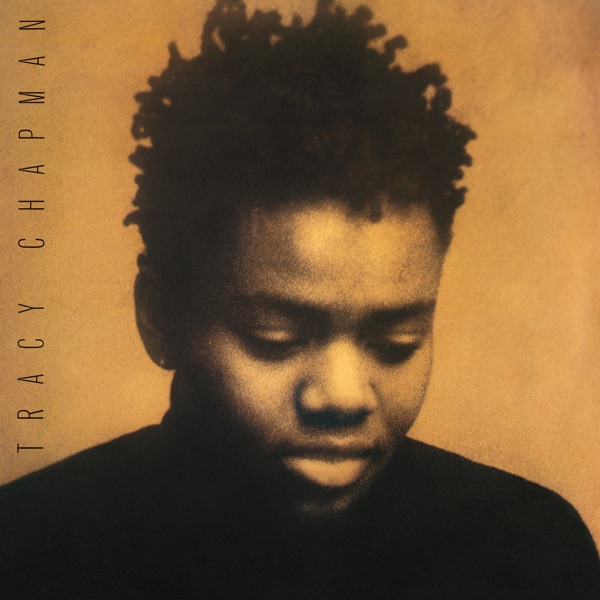 Tracy Chapman - Tracy Chapman (album)
 Leonard Cohen - Recent Songs
 Tracy Chapman - Crossroads
 Leonard Cohen - Songs of Love and Hate
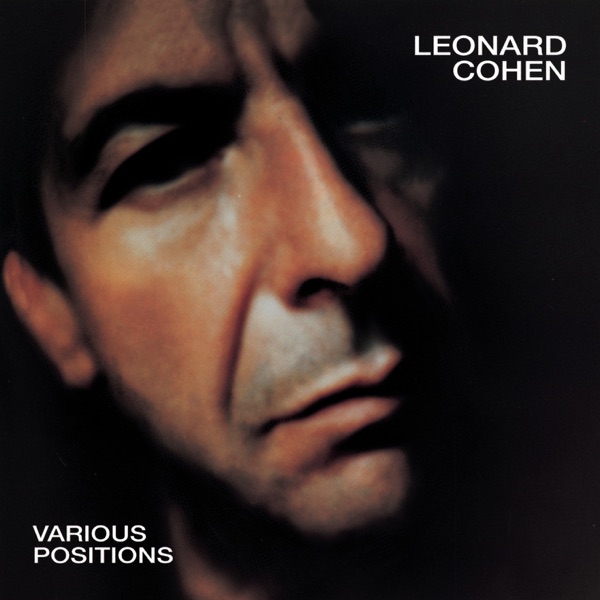 Leonard Cohen - Various Positions
 Tracy Chapman - Greatest Hits
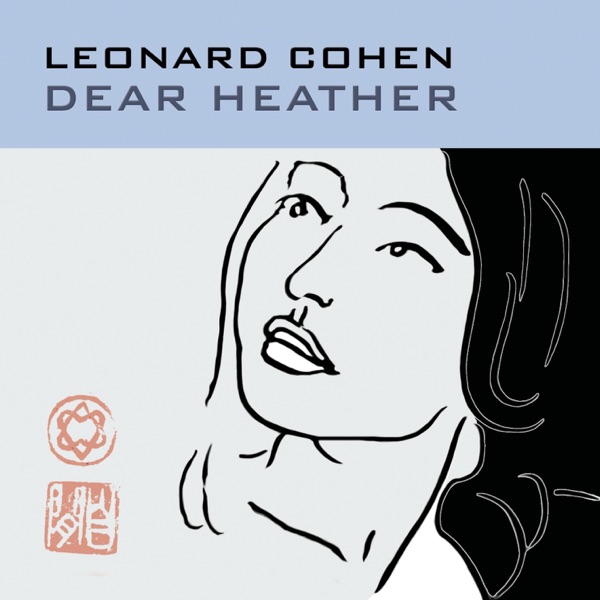 Leonard Cohen - Dear Heather
 Leonard Cohen - The Best of Leonard Cohen
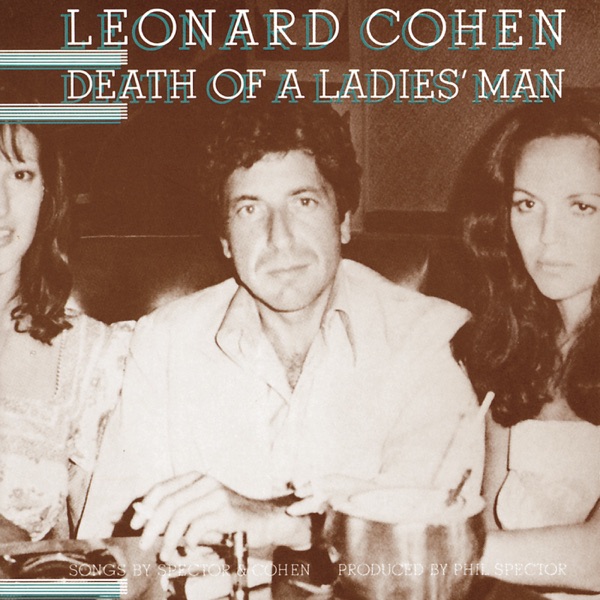 Leonard Cohen - Death of a Ladies' Man
 Leonard Cohen - Songs from a Room
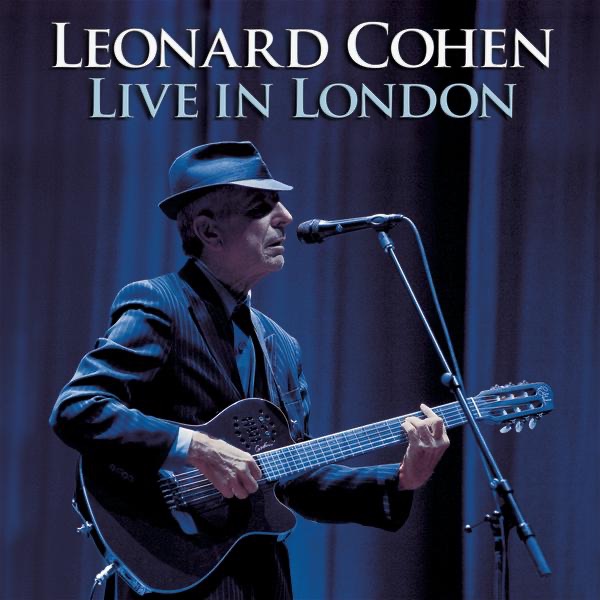 Leonard Cohen - Live in London (Leonard Cohen album)
 Leonard Cohen - Songs of Leonard Cohen

Join the Conversation
Share your thoughts about this album.
Please log in to add a comment.
No comments yet. Be the first to comment.