
Recent Songs
by Leonard Cohen
Released: September 27, 1979
Contemporary folk
Shop Leonard Cohen
Amazon affiliate linksWhy This Album Matters
This album matters because its strongest editorial story is: Experimental Album.
The Album
"Recent Songs" is the sixth studio album by Leonard Cohen, released in 1979. Unlike the previous album, which featured Phil Spector's experimental production, Recent Songs incorporates a blend of jazz and Oriental influences, enriching its musical palette. The album showcases Cohen's poignant lyrics and distinctive baritone voice, offering a reflective and mature exploration of themes such as love, loss, and spirituality.
Inside the Recording
Marking a return to his signature acoustic folk sound, the album was produced by Cohen in collaboration with Henry Lewy. This album marked a return to Cohen's acoustic folk roots, produced by Cohen himself alongside Henry Lewy. Cohen praised the collaborative environment during recording, highlighting the trust and freedom he felt from Lewy and the musicians.
Interesting Facts
Its rich instrumentation and diverse styles highlight Cohen's…
Its rich instrumentation and diverse styles highlight Cohen's versatility as an artist.
The recording featured a diverse array of musicians…
The recording featured a diverse array of musicians, including Raffi Hakopian on violin, John Bilezikjian on oud, and contributions from a Mexican Mariachi band, which added unique textures to the sound.
Unlike the chaotic feel of his previous work…
Unlike the chaotic feel of his previous work, Recent Songs has a lucid quality, characterized by its acoustic instrumentation and Eastern influences.
Key tracks include "Came So Far for Beauty,"…
Key tracks include "Came So Far for Beauty," inspired by an abandoned project, and "The Guests," based on a 13th-century Persian poem.
The album also features Cohen's interpretation of "Un…
The album also features Cohen's interpretation of "Un Canadien errant," showcasing the Mariachi band in a lively contrast to the album's overall languid tone.
Essential Tracks
The Guests
Key tracks include "Came So Far for Beauty," inspired by an abandoned project, and "The Guests," based on a 13th-century Persian poem.
Came So Far for Beauty
Key tracks include "Came So Far for Beauty," inspired by an abandoned project, and "The Guests," based on a 13th-century Persian poem.
Explore the Album
Leonard Cohen - Recent Songs
Open in Albums Gallery
Reception
Recent Songs is Leonard Cohen's sixth studio album, released in 1979 after the critically panned Death of a Ladies' Man.
The Complete Album Story
"Recent Songs" is the sixth studio album by Leonard Cohen, released in 1979. Marking a return to his signature acoustic folk sound, the album was produced by Cohen in collaboration with Henry Lewy. Unlike the previous album, which featured Phil Spector's experimental production, Recent Songs incorporates a blend of jazz and Oriental influences, enriching its musical palette. The album showcases Cohen's poignant lyrics and distinctive baritone voice, offering a reflective and mature exploration of themes such as love, loss, and spirituality. Its rich instrumentation and diverse styles highlight Cohen's versatility as an artist.
Recent Songs is Leonard Cohen's sixth studio album, released in 1979 after the critically panned Death of a Ladies' Man. This album marked a return to Cohen's acoustic folk roots, produced by Cohen himself alongside Henry Lewy. The recording featured a diverse array of musicians, including Raffi Hakopian on violin, John Bilezikjian on oud, and contributions from a Mexican Mariachi band, which added unique textures to the sound.
Unlike the chaotic feel of his previous work, Recent Songs has a lucid quality, characterized by its acoustic instrumentation and Eastern influences. Key tracks include "Came So Far for Beauty," inspired by an abandoned project, and "The Guests," based on a 13th-century Persian poem. The album also features Cohen's interpretation of "Un Canadien errant," showcasing the Mariachi band in a lively contrast to the album's overall languid tone.
Cohen praised the collaborative environment during recording, highlighting the trust and freedom he felt from Lewy and the musicians. This album not only solidified his artistic direction but also laid the groundwork for his subsequent tours, where many of these songs were performed. The cover art, painted by Dianne Lawrence, complements the album's introspective and rich musical landscape.
More Contemporary folk Albums
 Tracy Chapman - Crossroads
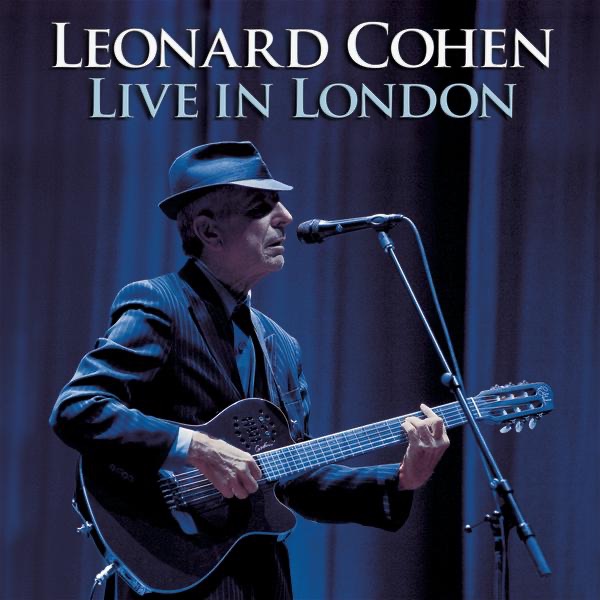 Leonard Cohen - Live in London (Leonard Cohen album)
 Leonard Cohen - The Future
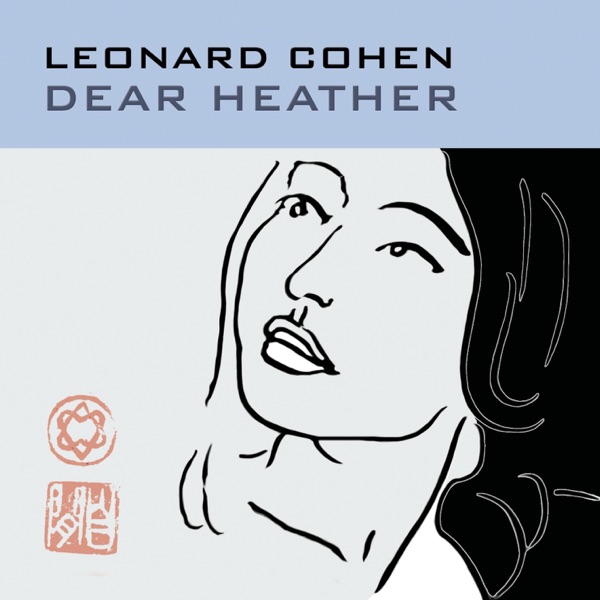 Leonard Cohen - Dear Heather
 Leonard Cohen - Songs from a Room
 Leonard Cohen - The Best of Leonard Cohen
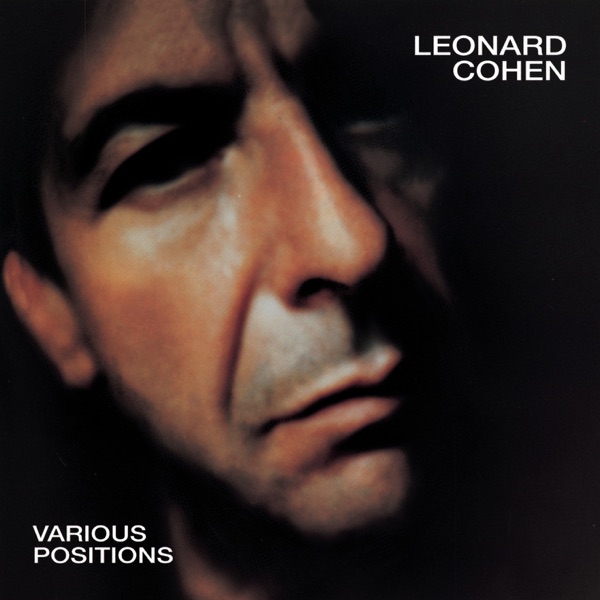 Leonard Cohen - Various Positions
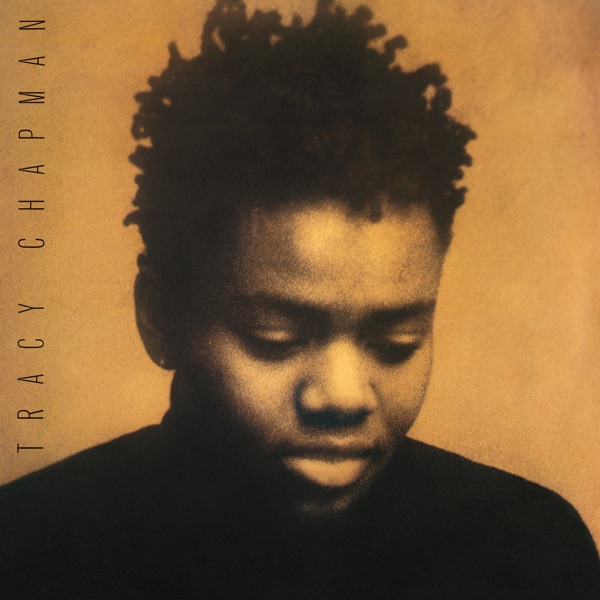 Tracy Chapman - Tracy Chapman (album)
 Tracy Chapman - Greatest Hits
 Leonard Cohen - Songs of Leonard Cohen
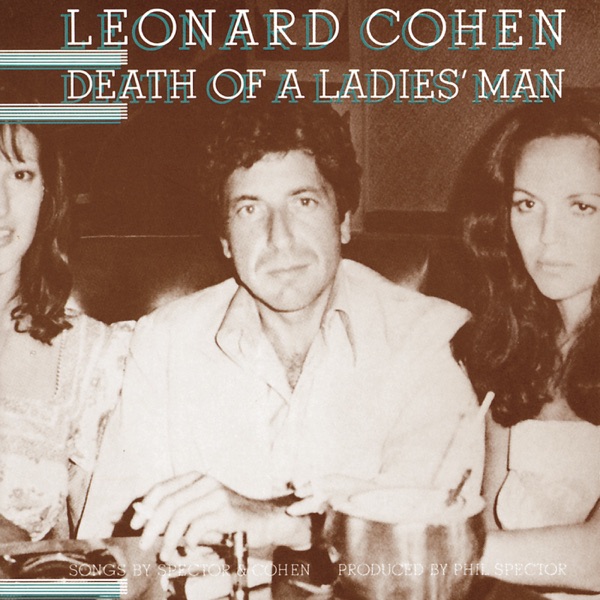 Leonard Cohen - Death of a Ladies' Man
 Leonard Cohen - Songs of Love and Hate

Join the Conversation
Share your thoughts about this album.
Please log in to add a comment.
No comments yet. Be the first to comment.