
New Skin for the Old Ceremony
by Leonard Cohen
Released: August 30, 1974
Folk rock
Shop Leonard Cohen
Amazon affiliate linksWhy This Album Matters
This album matters because its strongest editorial story is: Genre Shift.
The Album
"New Skin for the Old Ceremony" is the fourth studio album released by Canadian singer-songwriter Leonard Cohen. This album, released in August 1974, marks a significant departure from Cohen's earlier albums, featuring more instrumental arrangements and exploring different genres. This instrumental complexity resulted in a softer, gentler sound that revealed new depths to Cohen's songwriting and voice.
Interesting Facts
Before the production of "New Skin for the…
Before the production of "New Skin for the Old Ceremony," Cohen's music was primarily marked by sparse folk music arrangements.
However, this album incorporated richer, brighter, and fuller…
However, this album incorporated richer, brighter, and fuller instrumentation with strings, woodwinds, and percussion.
With 11 tracks in total, the album presents…
With 11 tracks in total, the album presents an exploration of relationships, existentialist dilemmas, spirituality, and sexual symbolism.
Notable tunes include "Chelsea Hotel #2," which tells…
Notable tunes include "Chelsea Hotel #2," which tells an anecdote about Janis Joplin, and "I Tried to Leave You," a darkly humorous love song.
Despite not becoming a commercial blockbuster, the album…
Despite not becoming a commercial blockbuster, the album generally received a positive response, and it has grown in esteem over time.
Essential Tracks
Chelsea Hotel #2
Notable tunes include "Chelsea Hotel #2," which tells an anecdote about Janis Joplin, and "I Tried to Leave You," a darkly humorous love song.
I Tried to Leave You
Notable tunes include "Chelsea Hotel #2," which tells an anecdote about Janis Joplin, and "I Tried to Leave You," a darkly humorous love song.
Explore the Album
Leonard Cohen - New Skin for the Old Ceremony
Open in Albums Gallery
Reception
Many critics and fans regard it as one of Cohen's most expressive and powerful releases, demonstrating his continued relevance in the world of music. Performance-wise, the album was embraced warmly by music critics.
The Complete Album Story
"New Skin for the Old Ceremony" is the fourth studio album released by Canadian singer-songwriter Leonard Cohen. This album, released in August 1974, marks a significant departure from Cohen's earlier albums, featuring more instrumental arrangements and exploring different genres.
Before the production of "New Skin for the Old Ceremony," Cohen's music was primarily marked by sparse folk music arrangements. However, this album incorporated richer, brighter, and fuller instrumentation with strings, woodwinds, and percussion. This instrumental complexity resulted in a softer, gentler sound that revealed new depths to Cohen's songwriting and voice.
With 11 tracks in total, the album presents an exploration of relationships, existentialist dilemmas, spirituality, and sexual symbolism. Notable tunes include "Chelsea Hotel #2," which tells an anecdote about Janis Joplin, and "I Tried to Leave You," a darkly humorous love song.
Performance-wise, the album was embraced warmly by music critics. Despite not becoming a commercial blockbuster, the album generally received a positive response, and it has grown in esteem over time. Many critics and fans regard it as one of Cohen's most expressive and powerful releases, demonstrating his continued relevance in the world of music.
Despite its initial reception, over the years, "New Skin for the Old Ceremony" has come to be considered an essential item in Cohen's discography. It represents the artist's growth and maturity in music, providing listeners with a deeper understanding of his creative journey while also setting new standards for his future musical endeavors.
More Folk rock Albums
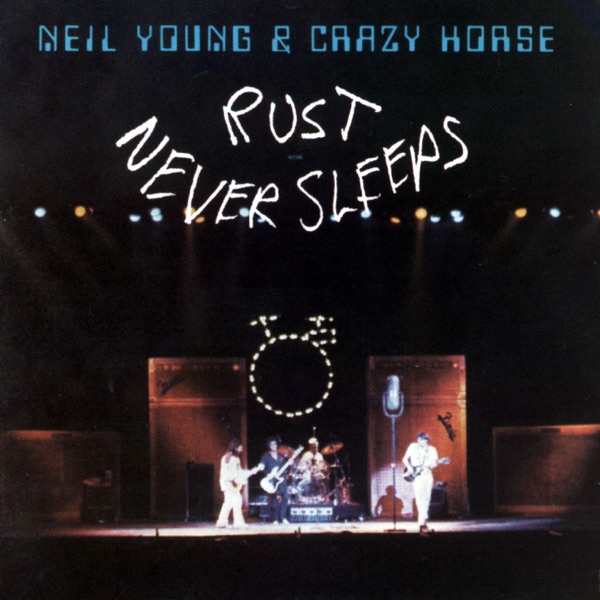 Neil Young with Crazy Horse - Rust Never Sleeps
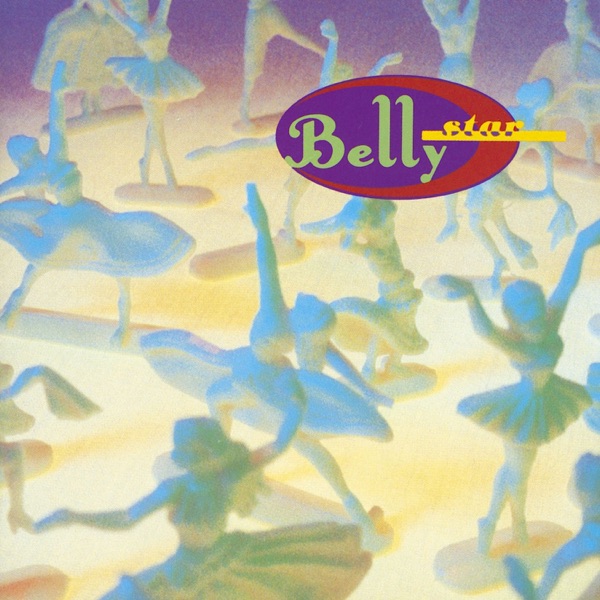 Belly - Star
 R.E.M. - Murmur (album)
 Looking Glass - Looking Glass (album)
 Red House Painters - Red House Painters (Rollercoaster)
 Nick Drake - Made to Love Magic
 Genesis - Trespass
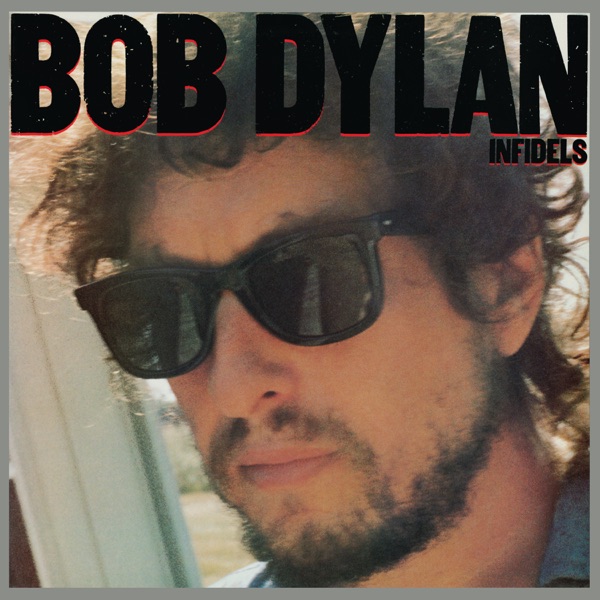 Bob Dylan - Infidels
 Joni Mitchell - For the Roses
 Bob Dylan - Highway 61 Revisited
 Page and Plant - No Quarter: Jimmy Page and Robert Plant Unledded

Join the Conversation
Share your thoughts about this album.
Please log in to add a comment.
No comments yet. Be the first to comment.