
Promised Land
by Elvis Presley
Released: January 08, 1975
Country
Shop Elvis Presley
Amazon affiliate linksWhy This Album Matters
This album matters because its strongest editorial story is: Genre Shift.
The Album
"Promised Land" is the twenty-first studio album by Elvis Presley, released in 1975. Studio Musicians: The album benefits from the contributions of accomplished studio musicians, including guitarist James Burton and pianist Glen D. Hardin, who had been part of Elvis's backing band during the 1970s. Late 1970s Period: The album was recorded during a period in the late 1970s when Elvis was exploring different musical styles and experimenting with his sound.
Interesting Facts
Country Influence: The album embraces a country sound…
Country Influence: The album embraces a country sound on tracks like "There's a Honky Tonk Angel (Who Will Take Me Back In)" and "Help Me," where Elvis's delivery and the musical arrangements draw from country music traditions.
This album reflects Elvis Presley's musical versatility, incorporating…
This album reflects Elvis Presley's musical versatility, incorporating elements of rock and roll, country, and rhythm and blues.
Here's a summary of "Promised Land": Musical Variety…
Here's a summary of "Promised Land": Musical Variety: "Promised Land" showcases Elvis's ability to traverse different musical genres.
The album includes a mix of rock and…
The album includes a mix of rock and roll, country, and blues, highlighting Presley's versatility as an artist.
Title Track: The title track, "Promised Land," serves…
Title Track: The title track, "Promised Land," serves as the album's lead single and is a standout song.
Essential Tracks
Promised Land
"Promised Land" is the twenty-first studio album by Elvis Presley, released in 1975.
There's a Honky Tonk Angel (Who Will Take Me Back In)
Country Influence: The album embraces a country sound on tracks like "There's a Honky Tonk Angel (Who Will Take Me Back In)" and "Help Me," where Elvis's delivery and the musical arrangements draw from country music traditions.
Help Me
Country Influence: The album embraces a country sound on tracks like "There's a Honky Tonk Angel (Who Will Take Me Back In)" and "Help Me," where Elvis's delivery and the musical arrangements draw from country music traditions.
If You Talk in Your Sleep
Rhythm and Blues Elements: Presley infuses elements of rhythm and blues into songs like "If You Talk in Your Sleep" and "My Boy," showcasing his ability to incorporate diverse influences into his music.
Explore the Album
Elvis Presley - Promised Land
Open in Albums Gallery
Reception
While his commercial success was still evident, this period marked a transition in his career as he adapted to changing musical trends. Chart Performance: "Promised Land" was well-received commercially, reaching high positions on the Billboard charts. The title track became a Top 20 hit on the Billboard Hot 100.
Legacy
Legacy: "Promised Land" is considered one of the more consistent and well-received albums from Elvis Presley's later years.
The Complete Album Story
"Promised Land" is the twenty-first studio album by Elvis Presley, released in 1975. This album reflects Elvis Presley's musical versatility, incorporating elements of rock and roll, country, and rhythm and blues. Here's a summary of "Promised Land":
Musical Variety:
"Promised Land" showcases Elvis's ability to traverse different musical genres. The album includes a mix of rock and roll, country, and blues, highlighting Presley's versatility as an artist.
Title Track:
The title track, "Promised Land," serves as the album's lead single and is a standout song. The track features energetic guitar riffs and lyrics that reflect themes of travel and the search for a better place, both physically and metaphorically.
Country Influence:
The album embraces a country sound on tracks like "There's a Honky Tonk Angel (Who Will Take Me Back In)" and "Help Me," where Elvis's delivery and the musical arrangements draw from country music traditions.
Rhythm and Blues Elements:
Presley infuses elements of rhythm and blues into songs like "If You Talk in Your Sleep" and "My Boy," showcasing his ability to incorporate diverse influences into his music.
Cover Songs:
"Promised Land" includes notable cover songs such as Chuck Berry's "Promised Land" and "You're Love's Been a Long Time Coming." Elvis brings his own interpretation to these classics, adding his signature vocal style and stage presence.
Studio Musicians:
The album benefits from the contributions of accomplished studio musicians, including guitarist James Burton and pianist Glen D. Hardin, who had been part of Elvis's backing band during the 1970s.
Chart Performance:
"Promised Land" was well-received commercially, reaching high positions on the Billboard charts. The title track became a Top 20 hit on the Billboard Hot 100.
Late 1970s Period:
The album was recorded during a period in the late 1970s when Elvis was exploring different musical styles and experimenting with his sound. It was part of his efforts to stay relevant in the evolving music landscape.
Live Performances:
Many songs from "Promised Land" found their way into Elvis's live performances during this period. His live shows continued to draw audiences, showcasing his enduring charisma and stage presence.
Legacy:
"Promised Land" is considered one of the more consistent and well-received albums from Elvis Presley's later years. While his commercial success was still evident, this period marked a transition in his career as he adapted to changing musical trends.
"Promised Land" stands as a testament to Elvis Presley's ability to adapt to evolving musical styles while maintaining his distinctive voice and presence. The album captures a moment in Elvis's career when he continued to explore diverse genres, leaving a lasting impact on the musical landscape.
More Country Albums
 Beck - Sea Change
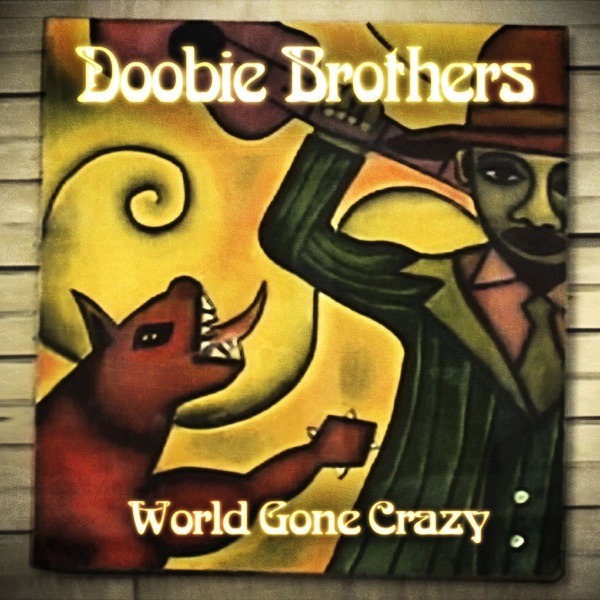 The Doobie Brothers - World Gone Crazy
 Dolly Parton - Trio II
 Dolly Parton - The Golden Streets of Glory
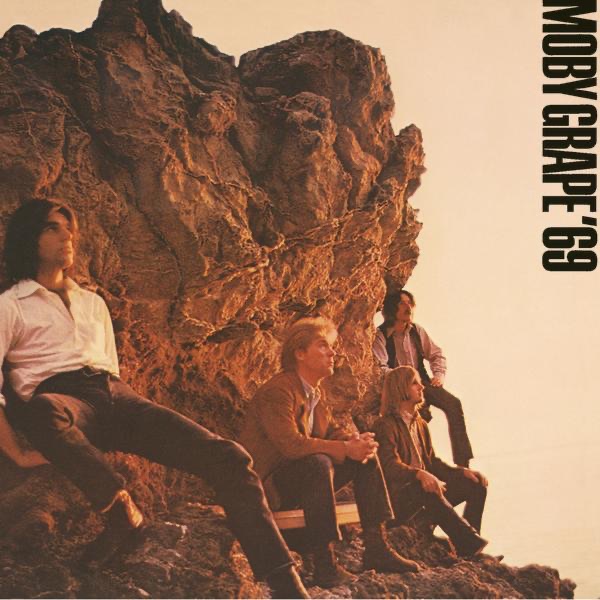 Moby Grape - Moby Grape '69
 Silver Jews - American Water
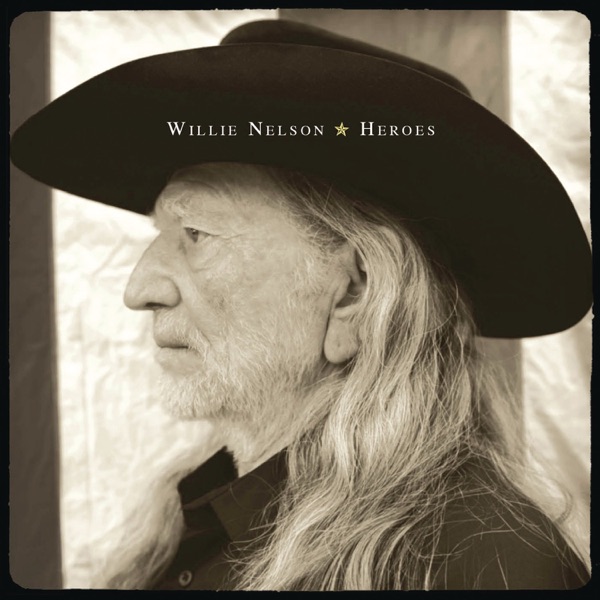 Willie Nelson - Heroes (Willie Nelson album)
 Eddie Vedder - Flag Day
 Dolly Parton - I Believe in You
 Patsy Cline - Always (Patsy Cline album)
 Grant Lee Buffalo - Mighty Joe Moon
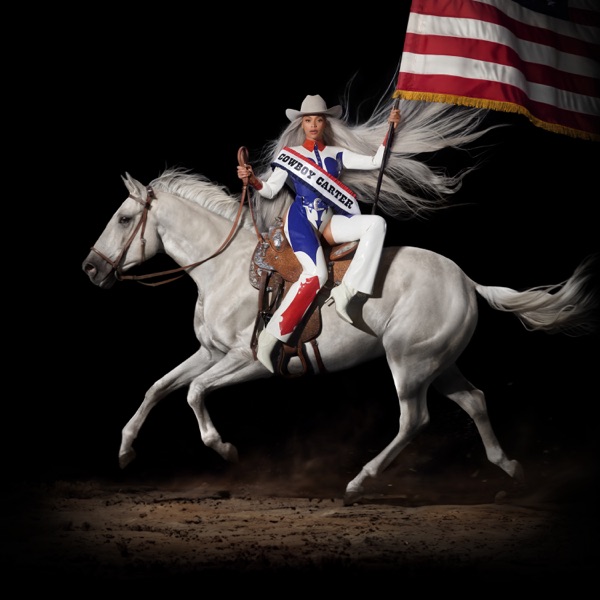 Beyoncé - Cowboy Carter

Join the Conversation
Share your thoughts about this album.
Please log in to add a comment.
No comments yet. Be the first to comment.