
After the Gold Rush
by Neil Young
Released: September 19, 1970
Folk rock, country folk, country rock
Shop Neil Young
Amazon affiliate linksWhy This Album Matters
This album matters because its strongest editorial story is: Breakthrough.
The Album
The personal transitions and community influences during this time deeply shaped the album's reflective and poignant sound. The album featured contributions from members of both Crazy Horse and Crosby, Stills, Nash & Young, marking the first appearance of long-time collaborator Nils Lofgren. However, by the time of the album's release, Young had split from Susan and relocated to his Broken Arrow Ranch in Northern California, where he would continue to produce many of his future albums.
Inside the Recording
The songs were influenced by various individuals he encountered during this period, including producer David Briggs, his then-wife Susan Acevedo, and actor Dean Stockwell, who was introduced to Young through Susan.
Essential Tracks
After the Gold Rush
"After the Gold Rush" is the third studio album by Canadian-American musician Neil Young, released in September 1970 on Reprise Records.
Only Love Can Break Your Heart
Two singles were released: "Only Love Can Break Your Heart," which reached number 33, and "When You Dance I Can Really Love," which peaked at number 93 on the Billboard Hot 100.
Southern Man
The album primarily features country folk music interspersed with rock tracks, including the notable song "Southern Man." The material was inspired by an unproduced screenplay by Dean Stockwell and Herb Bermann, also titled After the Gold Rush.
When You Dance I Can Really Love
Two singles were released: "Only Love Can Break Your Heart," which reached number 33, and "When You Dance I Can Really Love," which peaked at number 93 on the Billboard Hot 100.
Explore the Album
Neil Young - After the Gold Rush
Open in Albums Gallery
Reception
"After the Gold Rush" is the third studio album by Canadian-American musician Neil Young, released in September 1970 on Reprise Records. The album primarily features country folk music interspersed with rock tracks, including the notable song "Southern Man." The material was inspired by an unproduced screenplay by Dean Stockwell and Herb Bermann, also titled After the Gold Rush. Neil Young recorded After the Gold Rush while living in Topanga Canyon, an artistic enclave in Southern California, where he created much of the album in his home studio.
Legacy
In 2014, it was inducted into the Grammy Hall of Fame, further solidifying its legacy in music history.
The Complete Album Story
"After the Gold Rush" is the third studio album by Canadian-American musician Neil Young, released in September 1970 on Reprise Records. It followed the commercial success of the folk rock group Crosby, Stills, Nash & Young's chart-topping album Déjà Vu, and is part of a wave of solo projects by its members.
The album primarily features country folk music interspersed with rock tracks, including the notable song "Southern Man." The material was inspired by an unproduced screenplay by Dean Stockwell and Herb Bermann, also titled After the Gold Rush.
Upon its release, the album entered the Billboard Top Pop Albums chart on September 19 and peaked at number eight in October. Two singles were released: "Only Love Can Break Your Heart," which reached number 33, and "When You Dance I Can Really Love," which peaked at number 93 on the Billboard Hot 100.
Despite receiving mixed reviews initially, After the Gold Rush has since gained recognition and frequently appears on lists of the greatest albums of all time. In 2014, it was inducted into the Grammy Hall of Fame, further solidifying its legacy in music history.
Neil Young recorded After the Gold Rush while living in Topanga Canyon, an artistic enclave in Southern California, where he created much of the album in his home studio. The songs were influenced by various individuals he encountered during this period, including producer David Briggs, his then-wife Susan Acevedo, and actor Dean Stockwell, who was introduced to Young through Susan.
The album featured contributions from members of both Crazy Horse and Crosby, Stills, Nash & Young, marking the first appearance of long-time collaborator Nils Lofgren. However, by the time of the album's release, Young had split from Susan and relocated to his Broken Arrow Ranch in Northern California, where he would continue to produce many of his future albums. The personal transitions and community influences during this time deeply shaped the album's reflective and poignant sound.
More Folk rock Albums
 R.E.M. - Murmur (album)
 Cat Stevens - Mona Bone Jakon
 Nick Drake - Made to Love Magic
 The Velvet Underground - The Velvet Underground (album)
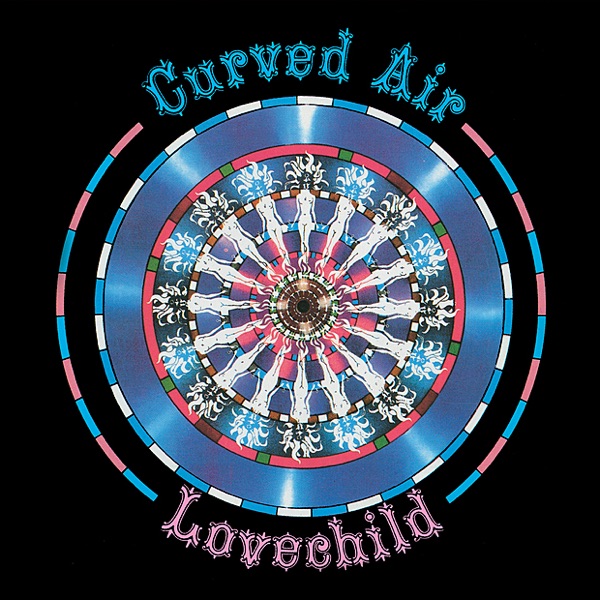 Curved Air - Lovechild
 Screaming Trees - Sweet Oblivion
 The Dubliners - Live at Montreux
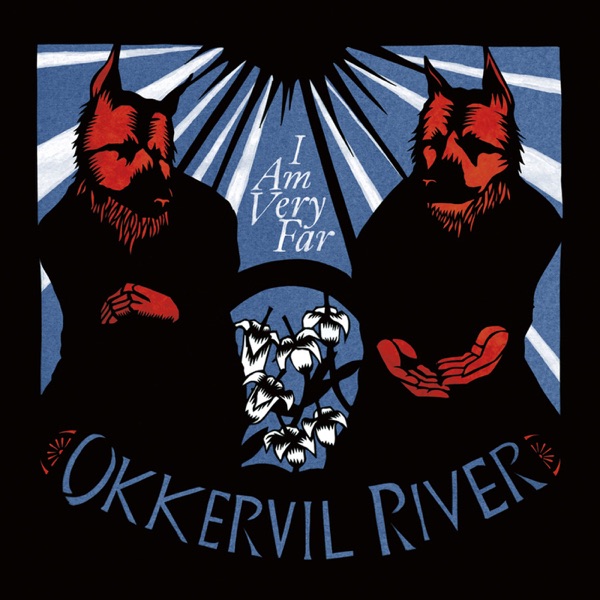 Okkervil River - I Am Very Far
 Traffic - Traffic (Traffic album)
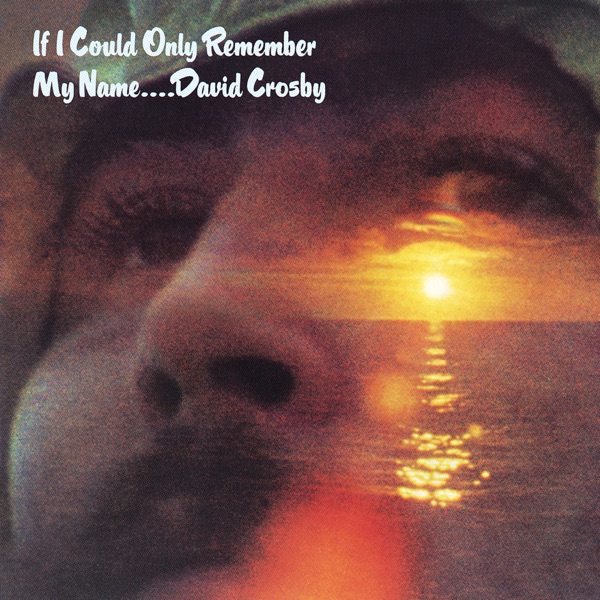 David Crosby - If I Could Only Remember My Name
 Eddie Vedder - Ukulele Songs
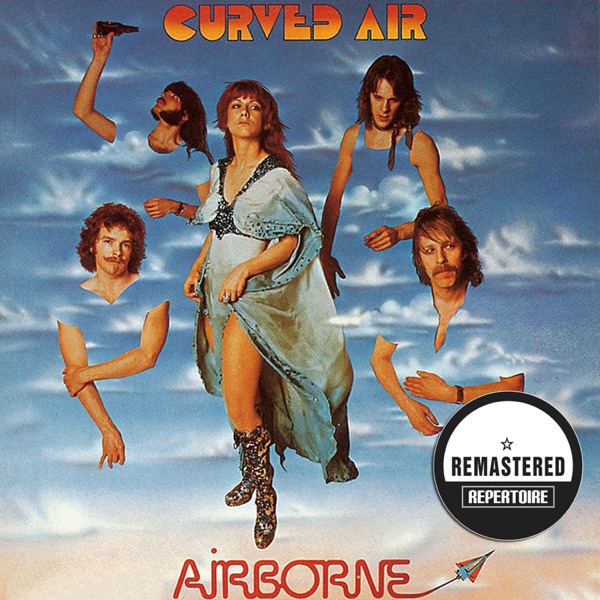 Curved Air - Airborne

Join the Conversation
Share your thoughts about this album.
Please log in to add a comment.
No comments yet. Be the first to comment.