
Hat Full of Stars
by Cyndi Lauper
Released: May 21, 1993
Pop, R&B, soul
Shop Cyndi Lauper
Amazon affiliate linksWhy This Album Matters
This album matters because its strongest editorial story is: Genre Shift.
The Album
It incorporates a diverse range of musical influences, including elements of alternative rock, jazz, and R&B. The themes of "Hat Full of Stars" delve into personal and social issues, reflecting on topics such as racism, domestic abuse, and the complexities of relationships. "Hat Full of Stars" is the fourth studio album by American singer Cyndi Lauper, released on June 22, 1993. This album marks a significant transition in Lauper's musical style, moving away from the pop-centric sound that characterized her earlier work towards a more mature and introspective approach.
Inside the Recording
The album was produced by Lauper along with Junior Vasquez, a well-known DJ and remixer, who brought a contemporary edge to the production.
Interesting Facts
The album stands out as a testament to…
The album stands out as a testament to her artistic evolution and commitment to addressing meaningful topics through her music.
It features contributions from a variety of musicians…
It features contributions from a variety of musicians, highlighting Lauper's collaborative spirit and desire to explore new sounds and themes.
Notable tracks include "Sally's Pigeons," which touches on…
Notable tracks include "Sally's Pigeons," which touches on subjects of loss and remembrance, and "A Part Hate," which addresses the topic of racism.
Another key track, "Who Let in the Rain,"…
Another key track, "Who Let in the Rain," showcases Lauper's ability to blend emotional depth with her signature vocal style.
Essential Tracks
Who Let In The Rain
Another key track, "Who Let in the Rain," showcases Lauper's ability to blend emotional depth with her signature vocal style.
Hat Full of Stars
It incorporates a diverse range of musical influences, including elements of alternative rock, jazz, and R&B. The themes of "Hat Full of Stars" delve into personal and social issues, reflecting on topics such as racism, domestic abuse, and the complexities of relationships.
Explore the Album
Cyndi Lauper - Hat Full of Stars
Open in Albums Gallery
Reception
Despite receiving positive reviews from critics for its lyrical depth and stylistic diversity, the album did not achieve the commercial success of Lauper's earlier releases, like her debut album "She's So Unusual." However, "Hat Full of Stars" is often praised for its artistic boldness and is considered a significant part of Lauper's discography for showcasing her versatility as an artist.
The Complete Album Story
"Hat Full of Stars" is the fourth studio album by American singer Cyndi Lauper, released on June 22, 1993. This album marks a significant transition in Lauper's musical style, moving away from the pop-centric sound that characterized her earlier work towards a more mature and introspective approach. It incorporates a diverse range of musical influences, including elements of alternative rock, jazz, and R&B.
The themes of "Hat Full of Stars" delve into personal and social issues, reflecting on topics such as racism, domestic abuse, and the complexities of relationships. Notable tracks include "Sally's Pigeons," which touches on subjects of loss and remembrance, and "A Part Hate," which addresses the topic of racism. Another key track, "Who Let in the Rain," showcases Lauper's ability to blend emotional depth with her signature vocal style.
Despite receiving positive reviews from critics for its lyrical depth and stylistic diversity, the album did not achieve the commercial success of Lauper's earlier releases, like her debut album "She's So Unusual." However, "Hat Full of Stars" is often praised for its artistic boldness and is considered a significant part of Lauper's discography for showcasing her versatility as an artist.
The album was produced by Lauper along with Junior Vasquez, a well-known DJ and remixer, who brought a contemporary edge to the production. It features contributions from a variety of musicians, highlighting Lauper's collaborative spirit and desire to explore new sounds and themes. The album stands out as a testament to her artistic evolution and commitment to addressing meaningful topics through her music.
More Pop Albums
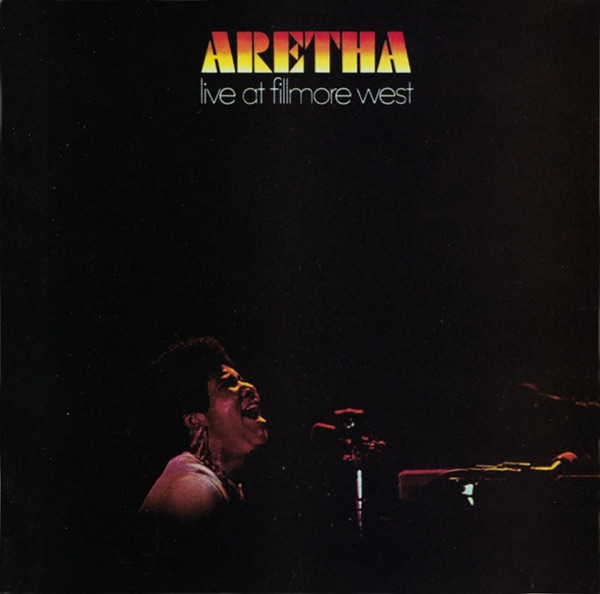 Aretha Franklin - Aretha Live at Fillmore West
 Michael Jackson - Off the Wall
 Broadcast - Tender Buttons
 Tina Turner - Tina Live
 Billy Joel - River of Dreams
 Renaissance - Time-Line
 Tindersticks - Tindersticks (1995 album)
 Cardiacs - On Land and in the Sea

Join the Conversation
Share your thoughts about this album.
Please log in to add a comment.
No comments yet. Be the first to comment.