
Phantasmagoria
by Curved Air
Released: April 09, 1972
Progressive rock, art rock
Shop Curved Air
Amazon affiliate linksWhy This Album Matters
This album matters because its strongest editorial story is: Experimental Album.
The Album
"Phantasmagoria" is the third studio album by Curved Air, released in 1972. Phantasmagoria represents a significant development in Curved Air’s sound, reflecting the band's continued evolution from their previous work. Here’s a more detailed overview: Phantasmagoria was recorded using the EMS Synthi 100 synthesizer, which was relatively new at the time.
Interesting Facts
The synthesizer played a crucial role in shaping…
The synthesizer played a crucial role in shaping the album's distinctive sound, particularly on the second side, where it was used to process Sonja Kristina's vocals, adding a layer of experimental electronic texture to the music.
Side One features a mix of traditional progressive…
Side One features a mix of traditional progressive rock with some experimental elements.
Phantasmagoria was unavailable for many years but was…
Phantasmagoria was unavailable for many years but was reissued on CD in April 2007.
The album’s content is divided into two sides
The album’s content is divided into two sides.
Songs on this side showcase the band’s signature…
Songs on this side showcase the band’s signature blend of rock and classical influences.
Explore the Album
Curved Air - Phantasmagoria
Open in Albums Gallery
Reception
The album reached No. 20 on the UK Charts and is notable for its early use of the EMS Synthi 100 synthesizer, which was used to process lead singer Sonja Kristina's voice on the second side of the album. It was praised for its innovative use of synthesizers and its ambitious production, but some critics felt it did not quite capture the same magic as the band's earlier albums.
Legacy
Phantasmagoria is regarded as a pioneering work in the integration of synthesizers with progressive rock.
The Complete Album Story
"Phantasmagoria" is the third studio album by Curved Air, released in 1972. The album reached No. 20 on the UK Charts and is notable for its early use of the EMS Synthi 100 synthesizer, which was used to process lead singer Sonja Kristina's voice on the second side of the album. Phantasmagoria was unavailable for many years but was reissued on CD in April 2007.
Phantasmagoria represents a significant development in Curved Air’s sound, reflecting the band's continued evolution from their previous work. Here’s a more detailed overview:
Phantasmagoria was recorded using the EMS Synthi 100 synthesizer, which was relatively new at the time. The synthesizer played a crucial role in shaping the album's distinctive sound, particularly on the second side, where it was used to process Sonja Kristina's vocals, adding a layer of experimental electronic texture to the music.
The album’s content is divided into two sides. Side One features a mix of traditional progressive rock with some experimental elements. Songs on this side showcase the band’s signature blend of rock and classical influences. Side Two is notable for its innovative use of the EMS Synthi 100. It includes tracks where the synthesizer effects are prominent, creating a more ambient and experimental sound.
The title track, “Phantasmagoria,” demonstrates the album's thematic exploration of surreal and otherworldly concepts, enhanced by the electronic treatments. “Marie Antoinette” is a prime example of how Curved Air incorporated historical and dramatic themes into their music, with lyrics reflecting on the life and times of the French queen.
Phantasmagoria received a mixed to positive reception upon its release. It was praised for its innovative use of synthesizers and its ambitious production, but some critics felt it did not quite capture the same magic as the band's earlier albums.
The album was out of print for many years, making original vinyl copies quite collectible. The reissue on CD in April 2007 brought *Phantasmagoria* back into the public eye and allowed a new generation of listeners to experience the band’s experimental phase.
Phantasmagoria is regarded as a pioneering work in the integration of synthesizers with progressive rock. It reflects Curved Air’s willingness to experiment with new technologies and sounds, setting them apart from many of their contemporaries in the early 1970s. The album's experimental approach to using synthesizers influenced later progressive and electronic music.
Overall, Phantasmagoria stands out as a landmark in Curved Air's discography, representing both their creative ambitions and their adaptation to the evolving musical landscape of the 1970s.
More Progressive rock Albums
 Mike Oldfield - Platinum
 Caravan - It’s None of Your Business
 Porcupine Tree - On the Sunday of Life...
 Uriah Heep - Look at Yourself
 Pink Floyd - Delicate Sound of Thunder
 Gentle Giant - Playing the Fool
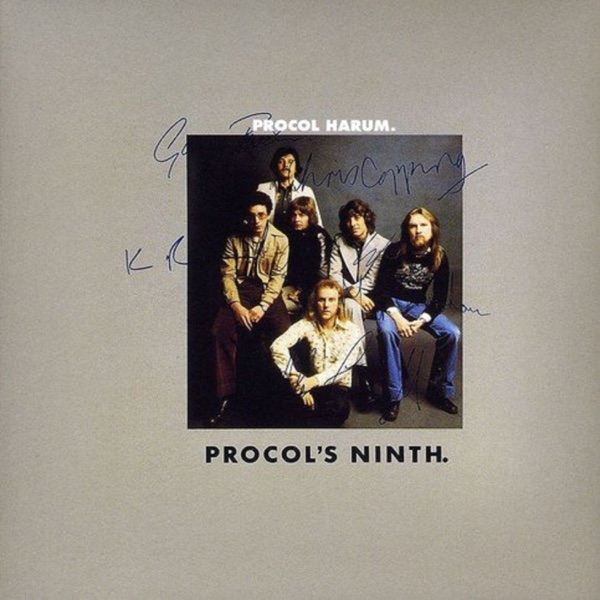 Procol Harum - Procol's Ninth
 The Nice - Nice
 Styx - Cyclorama
 Primus - Tales from the Punchbowl
 Air and Baricco - City Reading

Join the Conversation
Share your thoughts about this album.
Please log in to add a comment.
No comments yet. Be the first to comment.