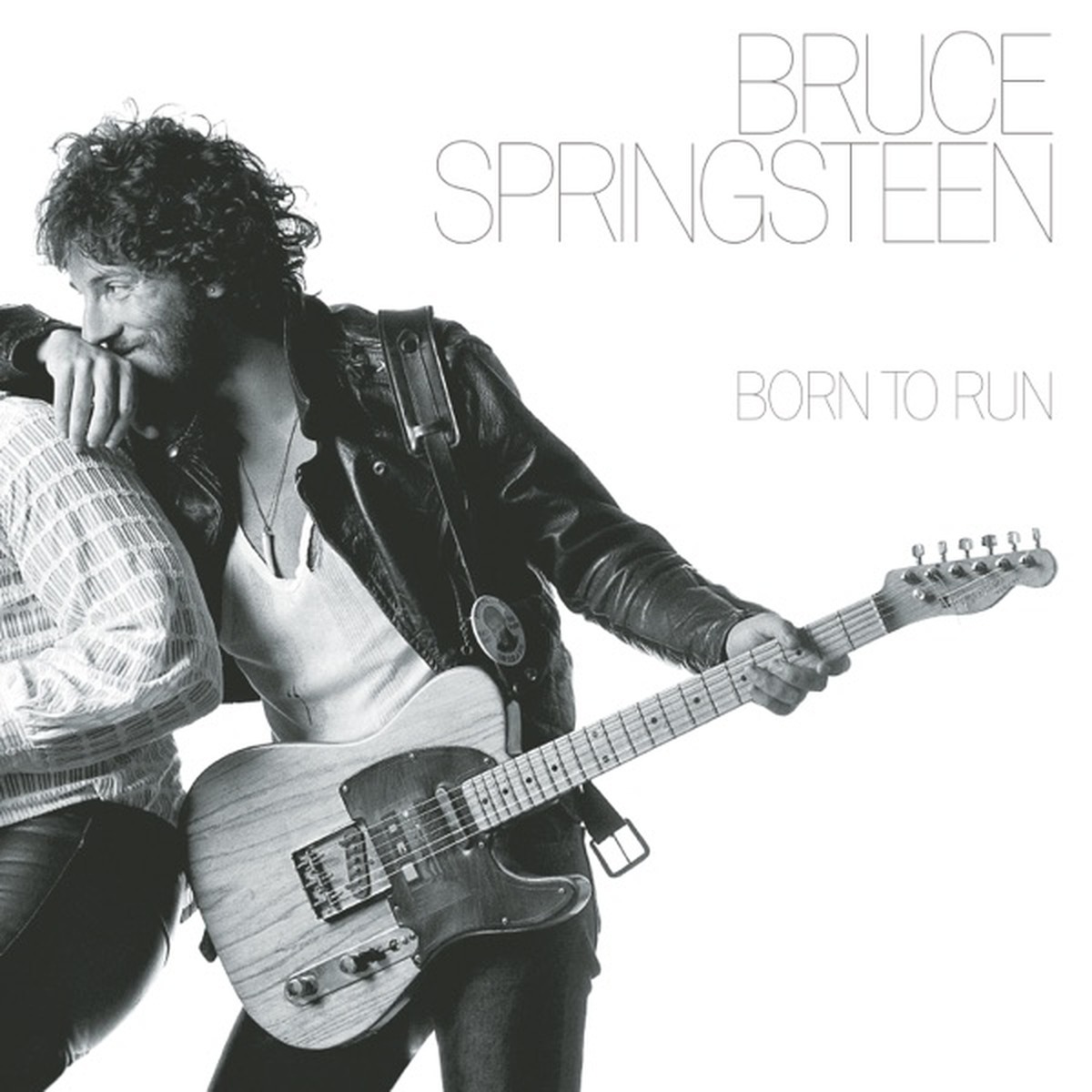
Born to Run
by Bruce Springsteen
Released: August 25, 1975
Rock and roll, pop rock, power pop, R&B, folk rock
Shop Bruce Springsteen
Amazon affiliate linksWhy This Album Matters
The central hook is supported first-hand by Springsteen in his autobiography, where he states that he threw Born to Run into a hotel swimming pool in front of Jimmy Iovine after rejecting it and refusing to release it. In a 2005 Rolling Stone interview, Springsteen accepted the interviewer’s description that he threw the mastered album into a pool and explained the fear and extreme personal investment surrounding the record. ([au.rollingstone.com](https://au.rollingstone.com/music/music-news/bruce-springsteen-born-to-run-album-making-16107/)) In a separate CBS interview, Springsteen said he disliked the sound and threw the master into a swimming pool; Jon Landau also described Springsteen’s state at the time. ([cbsnews.com](https://www.cbsnews.com/news/before-bruce-was-the-boss/)) Peter Ames Carlin’s independently published account, based on interviews with Springsteen and participants, corroborates the acetate, hotel pool and proposal to rerecord the songs live at the Bottom Line; the Los Angeles Times reported the same central incident from Carlin’s later research. ([freshairarchive.org](https://freshairarchive.org/segments/springsteens-label-was-about-drop-him-then-came-born-run)) The official Springsteen site verifies the August 25, 1975 release date and No. 3 US peak. ([brucespringsteen.net](https://brucespringsteen.net/albums/born-to-run/?utm_source=openai)) Accounts differ on some peripheral details, including the precise listening sequence and how the decision not to scrap the album unfolded, so those disputed details were omitted.
The Album
The album's significance has only grown over the decades, and it was reissued in 2005 to celebrate its 30th anniversary. The album blends rock and roll, pop rock, R&B, and folk rock, reflecting a broad range of influences. Its lyrics focus on characters feeling trapped in their current lives and dreaming of escape, using rich imagery of highways and travel to convey a sense of longing and possibility.
Inside the Recording
Springsteen, alongside his manager Mike Appel and producer Jon Landau, co-produced the album. It was recorded in New York, with the E Street Band. The production process was intense, aiming to capture a sound reminiscent of Phil Spector's "Wall of Sound," resulting in grueling recording sessions from January 1974 to July 1975, with six months dedicated just to perfecting the title track.
Interesting Facts
The songs are less tied to New Jersey…
The songs are less tied to New Jersey compared to his earlier work and are envisioned as taking place over a single, transformative summer day and night.
The album cover, featuring Springsteen leaning on the…
The album cover, featuring Springsteen leaning on the shoulder of saxophonist Clarence Clemons, has become iconic and frequently referenced in various media.
The singles "Born to Run" and "Tenth Avenue…
The singles "Born to Run" and "Tenth Avenue Freeze-Out" gained substantial radio play and became favorites in Springsteen’s live performances.
It captured the spirit of American youth during…
It captured the spirit of American youth during a turbulent time and has been celebrated as one of the greatest albums of all time.
In 2003, it was added to the National…
In 2003, it was added to the National Recording Registry by the Library of Congress for its cultural, historical, and aesthetic significance.
Essential Tracks
Tenth Avenue Freeze-Out
The singles "Born to Run" and "Tenth Avenue Freeze-Out" gained substantial radio play and became favorites in Springsteen’s live performances.
Night
The songs are less tied to New Jersey compared to his earlier work and are envisioned as taking place over a single, transformative summer day and night.
Born to Run
"Born to Run" is indeed a landmark album in Bruce Springsteen’s career and in rock history, released on August 25, 1975, by Columbia Records.
Explore the Album
Bruce Springsteen - Born to Run
Open in Albums Gallery
Reception
The album's release was backed by a significant promotional campaign and was commercially successful, reaching number three on the U.S. Billboard Top LPs & Tape chart and the top ten in several other countries. Born to Run was both critically acclaimed and commercially successful. Despite some backlash from critics who questioned the hype surrounding Springsteen, the album's powerful storytelling and ambitious production garnered widespread praise.
Legacy
"Born to Run" is indeed a landmark album in Bruce Springsteen’s career and in rock history, released on August 25, 1975, by Columbia Records. The expanded edition included a concert film and a documentary about the making of the album, further cementing its legacy as a defining work of Springsteen’s career and a cornerstone of American rock music.
The Complete Album Story
"Born to Run" is indeed a landmark album in Bruce Springsteen’s career and in rock history, released on August 25, 1975, by Columbia Records.
Springsteen, alongside his manager Mike Appel and producer Jon Landau, co-produced the album. It was recorded in New York, with the E Street Band. The production process was intense, aiming to capture a sound reminiscent of Phil Spector's "Wall of Sound," resulting in grueling recording sessions from January 1974 to July 1975, with six months dedicated just to perfecting the title track.
The album blends rock and roll, pop rock, R&B, and folk rock, reflecting a broad range of influences. Its lyrics focus on characters feeling trapped in their current lives and dreaming of escape, using rich imagery of highways and travel to convey a sense of longing and possibility. The songs are less tied to New Jersey compared to his earlier work and are envisioned as taking place over a single, transformative summer day and night.
The album cover, featuring Springsteen leaning on the shoulder of saxophonist Clarence Clemons, has become iconic and frequently referenced in various media. The album's release was backed by a significant promotional campaign and was commercially successful, reaching number three on the U.S. Billboard Top LPs & Tape chart and the top ten in several other countries. The singles "Born to Run" and "Tenth Avenue Freeze-Out" gained substantial radio play and became favorites in Springsteen’s live performances.
Born to Run was both critically acclaimed and commercially successful. Despite some backlash from critics who questioned the hype surrounding Springsteen, the album's powerful storytelling and ambitious production garnered widespread praise. It captured the spirit of American youth during a turbulent time and has been celebrated as one of the greatest albums of all time. In 2003, it was added to the National Recording Registry by the Library of Congress for its cultural, historical, and aesthetic significance.
The album's significance has only grown over the decades, and it was reissued in 2005 to celebrate its 30th anniversary. The expanded edition included a concert film and a documentary about the making of the album, further cementing its legacy as a defining work of Springsteen’s career and a cornerstone of American rock music.
More Rock and roll Albums
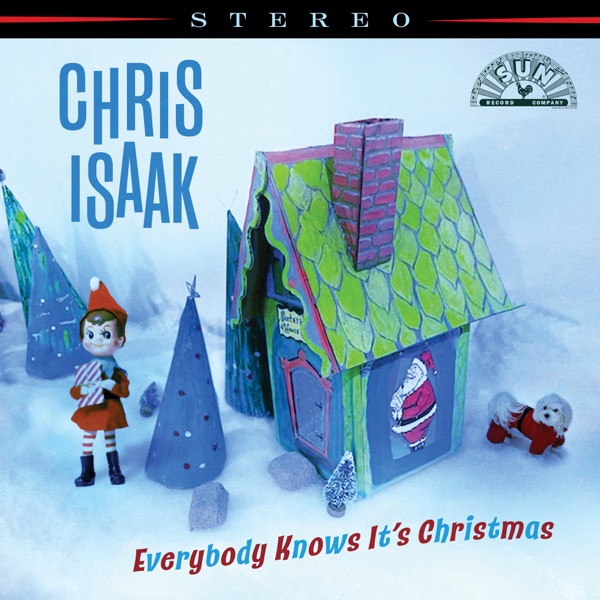 Chris Isaak - Everybody Knows It's Christmas
 Tom Petty and the Heartbreakers - Tom Petty and the Heartbreakers
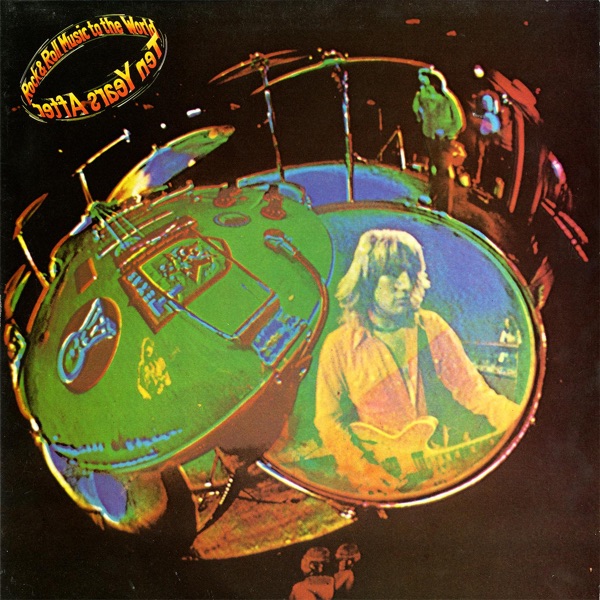 Ten Years After - Rock & Roll Music to the World
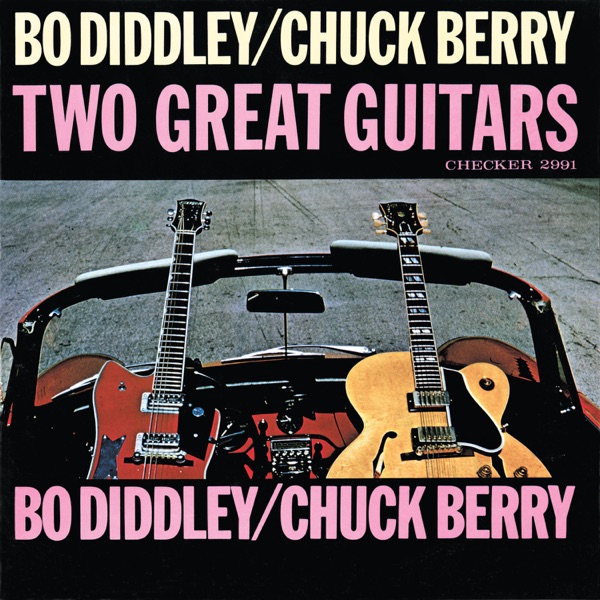 Bo Diddley and Chuck Berry - Two Great Guitars
 Led Zeppelin - Coda
 Tom Petty - Let Me Up (I've Had Enough)
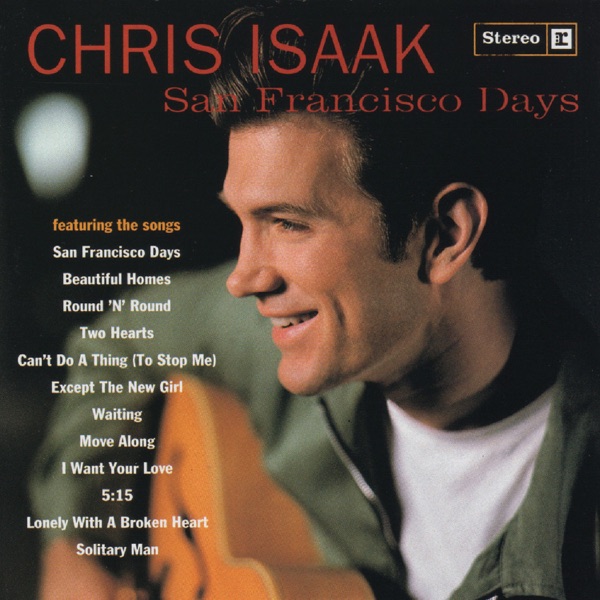 Chris Isaak - San Francisco Days
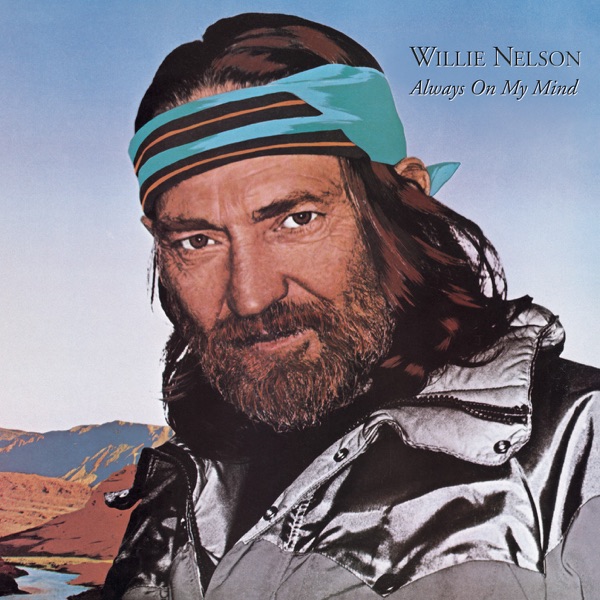 Willie Nelson - Always on My Mind
 Little Feat - Sailin' Shoes
 Spirit - The Family That Plays Together
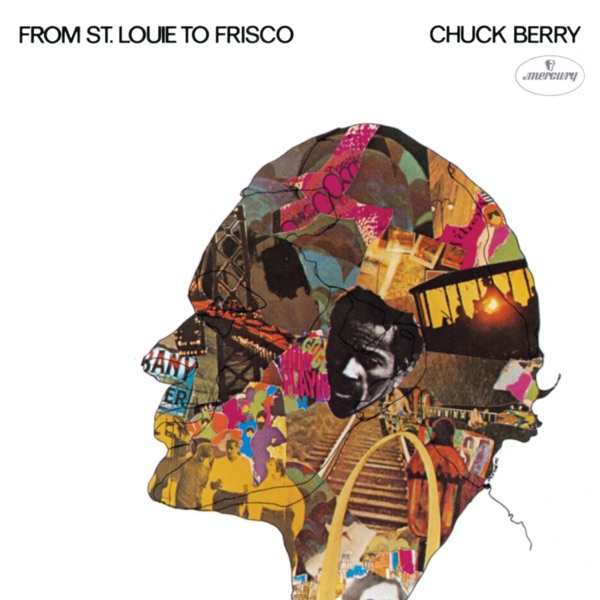 Chuck Berry - From St. Louie to Frisco
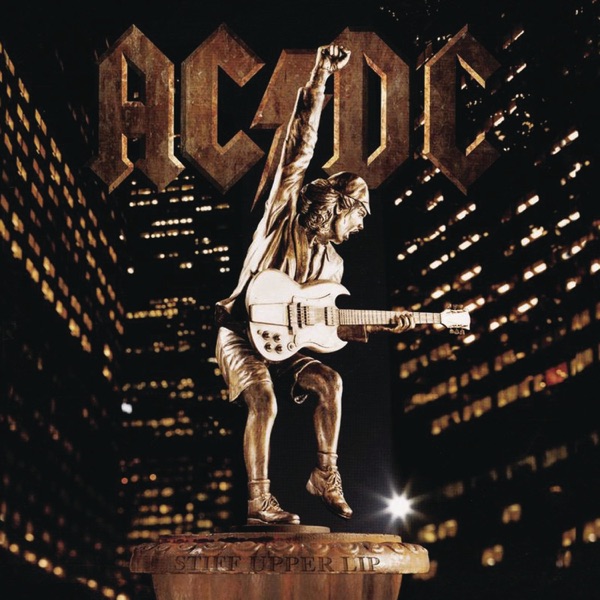 AC/DC - Stiff Upper Lip

Join the Conversation
Share your thoughts about this album.
Please log in to add a comment.
No comments yet. Be the first to comment.