
Here Come the Warm Jets
by Brian Eno
Released: February 08, 1974
Art rock, art pop, glam rock, experimental pop, avant-pop, pop rock
Shop Brian Eno
Amazon affiliate linksWhy This Album Matters
This album matters because its strongest editorial story is: Experimental Album.
The Album
It marks a significant departure from Eno's previous work as a member of Roxy Music and as a collaborator with other artists, showcasing his innovative approach to music production and his unique blend of art rock, glam rock, and experimental pop. Tracks like the title track "Here Come the Warm Jets," "Needles in the Camel's Eye," and "Baby's on Fire" exemplify Eno's eclectic approach to songwriting and production, with their catchy melodies, quirky instrumentation, and off-kilter arrangements. The album's production is characterized by its use of studio effects, electronic manipulation, and Eno's distinctive use of tape loops and synthesizers.
Inside the Recording
The album has since become a cult classic and a landmark in the history of experimental and art rock, influencing generations of musicians and producers with its innovative sound and fearless creativity. "Here Come the Warm Jets" is the debut solo album by British musician and producer Brian Eno, released in 1974.
Interesting Facts
The album features a diverse range of musical…
The album features a diverse range of musical styles and influences, with Eno experimenting with unconventional song structures, avant-garde soundscapes, and surreal lyrics.
"Here Come the Warm Jets" also features contributions…
"Here Come the Warm Jets" also features contributions from several notable musicians, including Robert Fripp, Phil Manzanera, and John Wetton, who help bring Eno's sonic vision to life.
Overall, "Here Come the Warm Jets" stands as…
Overall, "Here Come the Warm Jets" stands as a testament to Brian Eno's groundbreaking contributions to the world of music and his status as one of the most innovative and visionary artists of his generation.
Explore the Album
Brian Eno - Here Come the Warm Jets
Open in Albums Gallery
Reception
Upon its release, "Here Come the Warm Jets" received positive reviews from critics, who praised Eno's adventurous spirit and his willingness to push the boundaries of conventional rock music.
The Complete Album Story
"Here Come the Warm Jets" is the debut solo album by British musician and producer Brian Eno, released in 1974. It marks a significant departure from Eno's previous work as a member of Roxy Music and as a collaborator with other artists, showcasing his innovative approach to music production and his unique blend of art rock, glam rock, and experimental pop.
The album features a diverse range of musical styles and influences, with Eno experimenting with unconventional song structures, avant-garde soundscapes, and surreal lyrics. Tracks like the title track "Here Come the Warm Jets," "Needles in the Camel's Eye," and "Baby's on Fire" exemplify Eno's eclectic approach to songwriting and production, with their catchy melodies, quirky instrumentation, and off-kilter arrangements.
"Here Come the Warm Jets" also features contributions from several notable musicians, including Robert Fripp, Phil Manzanera, and John Wetton, who help bring Eno's sonic vision to life. The album's production is characterized by its use of studio effects, electronic manipulation, and Eno's distinctive use of tape loops and synthesizers.
Upon its release, "Here Come the Warm Jets" received positive reviews from critics, who praised Eno's adventurous spirit and his willingness to push the boundaries of conventional rock music. The album has since become a cult classic and a landmark in the history of experimental and art rock, influencing generations of musicians and producers with its innovative sound and fearless creativity.
Overall, "Here Come the Warm Jets" stands as a testament to Brian Eno's groundbreaking contributions to the world of music and his status as one of the most innovative and visionary artists of his generation.
More Art rock Albums
 Radiohead - Kid A Mnesia
 Patti Smith - Gone Again
 Van Der Graaf Generator - Present
 Tommy Guerrero - No Man's Land
 John Cale - Music for a New Society
 Devo - Hardcore Devo: Volume Two
 Cardiacs - A Little Man and a House and the Whole World Window
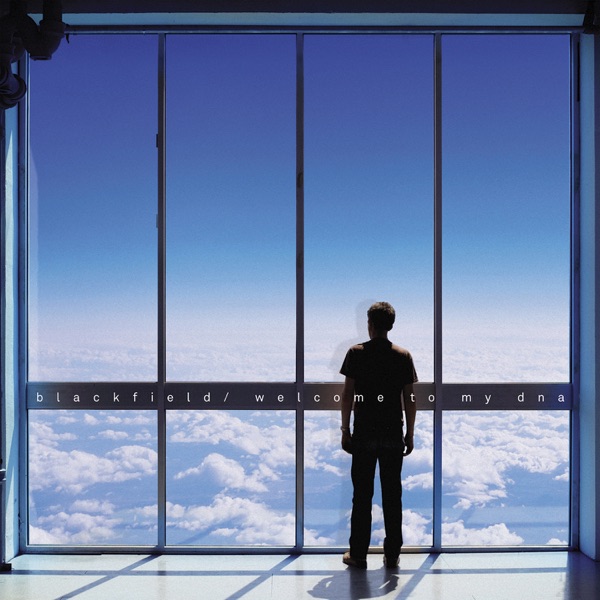 Blackfield - Welcome to My DNA

Join the Conversation
Share your thoughts about this album.
Please log in to add a comment.
No comments yet. Be the first to comment.