
Technical Ecstasy
by Black Sabbath
Released: September 25, 1976
Heavy metal, hard rock
Shop Black Sabbath
Amazon affiliate linksWhy This Album Matters
This album matters because its strongest editorial story is: Experimental Album.
The Album
"Technical Ecstasy" is the seventh studio album by English rock band Black Sabbath, released in September 1976 through Vertigo Records. This album marked an experimental phase for the band, showcasing more varied and complex compositions compared to their earlier works. It features prominent keyboard parts and effects, highlighting a shift in their sound.
Inside the Recording
His struggles with substance abuse during this time further complicated the recording process. The infamous anecdote about cocaine left in the mixing board highlights the excesses of the era, underscoring the tumult that surrounded the band during this challenging chapter.
Interesting Facts
Notably, the pop ballad "It's Alright," sung by…
Notably, the pop ballad "It's Alright," sung by drummer Bill Ward, was a departure from the band's norm, as it was the first song not performed by frontman Ozzy Osbourne.
The recording of Technical Ecstasy was fraught with…
The recording of Technical Ecstasy was fraught with challenges for Black Sabbath, marked by the aftermath of legal battles and a shifting musical landscape.
Adding to the difficulties was the band’s management…
Adding to the difficulties was the band’s management situation, as their focus shifted towards other acts, leaving Sabbath feeling unsupported.
The album's exploration of new musical territory indicates…
The album's exploration of new musical territory indicates Black Sabbath's willingness to evolve, even as they faced changing musical landscapes.
After the tumultuous sessions for their previous album…
After the tumultuous sessions for their previous album, Sabotage, the band opted for Miami's Criteria Studios, aiming for a fresh start.
Explore the Album
Black Sabbath - Technical Ecstasy
Open in Albums Gallery
Reception
While it received mixed reviews from critics, it was commercially successful, reaching number 13 on the UK Albums Chart and number 51 on the US Billboard 200. The album was later certified Gold by the RIAA in 1997. While some viewed Technical Ecstasy as a response to the rise of punk rock, this interpretation remains debated among fans and critics.
The Complete Album Story
"Technical Ecstasy" is the seventh studio album by English rock band Black Sabbath, released in September 1976 through Vertigo Records. While it received mixed reviews from critics, it was commercially successful, reaching number 13 on the UK Albums Chart and number 51 on the US Billboard 200. The album was later certified Gold by the RIAA in 1997.
This album marked an experimental phase for the band, showcasing more varied and complex compositions compared to their earlier works. It features prominent keyboard parts and effects, highlighting a shift in their sound. Notably, the pop ballad "It's Alright," sung by drummer Bill Ward, was a departure from the band's norm, as it was the first song not performed by frontman Ozzy Osbourne.
While some viewed Technical Ecstasy as a response to the rise of punk rock, this interpretation remains debated among fans and critics. The album's exploration of new musical territory indicates Black Sabbath's willingness to evolve, even as they faced changing musical landscapes.
The recording of Technical Ecstasy was fraught with challenges for Black Sabbath, marked by the aftermath of legal battles and a shifting musical landscape. After the tumultuous sessions for their previous album, Sabotage, the band opted for Miami's Criteria Studios, aiming for a fresh start. However, this choice also signified a departure from the dark and heavy themes that had defined their earlier work.
Tony Iommi, who ended up overseeing the production, noted the relaxed atmosphere during sessions, even as he felt the weight of responsibility. The band struggled with direction, feeling the pressure of punk's rise, which led to feelings of being out of touch. As Iommi reflected, the band faced the challenge of evolving while trying to maintain relevance in a changing musical scene.
Adding to the difficulties was the band’s management situation, as their focus shifted towards other acts, leaving Sabbath feeling unsupported. This period of uncertainty and confusion left an impact on their music. Ozzy Osbourne, in his autobiography, shared his frustrations about the band trying to emulate contemporary sounds, contrasting sharply with the bands they once inspired. His struggles with substance abuse during this time further complicated the recording process.
The atmosphere in the studio was also notable for its chaotic energy; while Black Sabbath was loud and assertive, the Eagles were working on Hotel California in the next studio, leading to clashes between the two groups. The infamous anecdote about cocaine left in the mixing board highlights the excesses of the era, underscoring the tumult that surrounded the band during this challenging chapter.
Overall, Technical Ecstasy stands as a reflection of a band at a crossroads, grappling with internal and external pressures while attempting to redefine their sound.
More Heavy metal Albums
 Black Sabbath - Paranoid
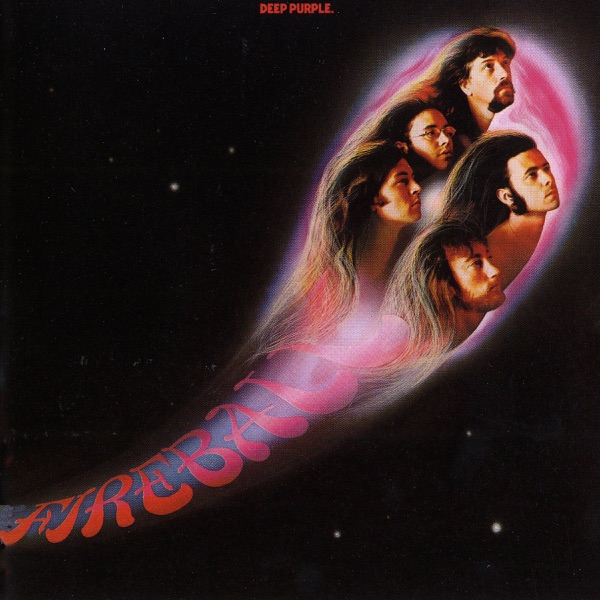 Deep Purple - Fireball
 UFO - Walk on Water
 Iggy Pop - Instinct (Iggy Pop album)
 Rainbow - Ritchie Blackmore's Rainbow
 Budgie - Bandolier
 Triumph - Thunder Seven
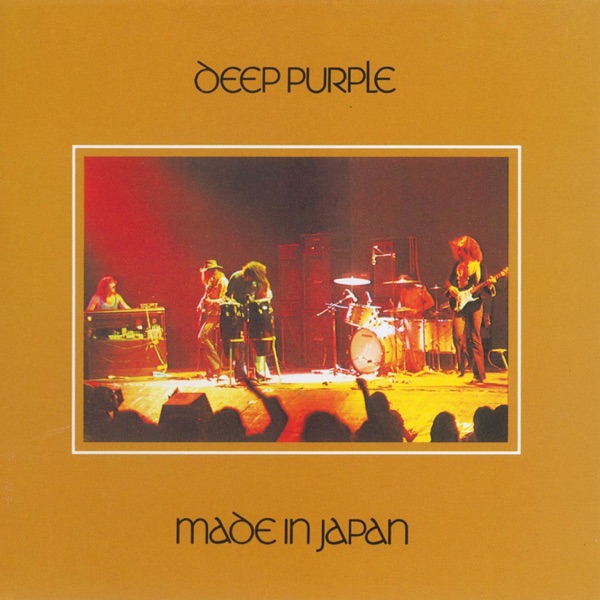 Deep Purple - Made in Japan
 Ozzy Osbourne - Live at Budokan (Ozzy Osbourne album)
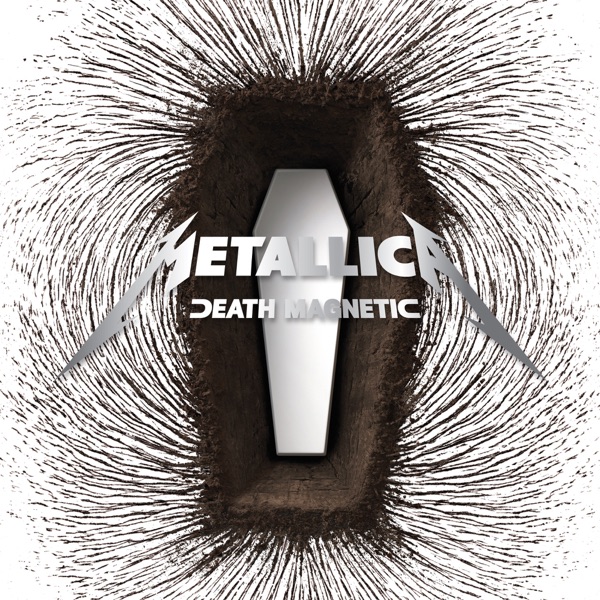 Metallica - Death Magnetic
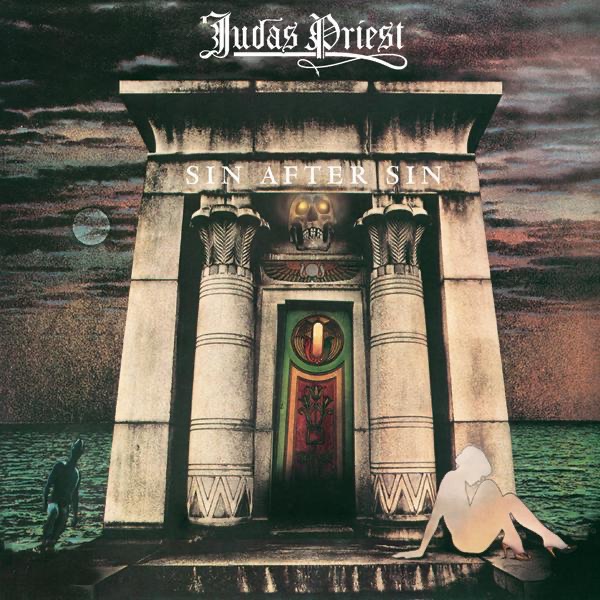 Judas Priest - Sin After Sin
 Budgie - Budgie (album)

Join the Conversation
Share your thoughts about this album.
Please log in to add a comment.
No comments yet. Be the first to comment.