
Rebel Yell
by Billy Idol
Released: November 10, 1983
New wave, hard rock
Shop Billy Idol
Amazon affiliate linksWhy This Album Matters
This album matters because its strongest editorial story is: Breakthrough.
The Album
"Rebel Yell" is the second studio album by English rock singer Billy Idol, released on 10 November 1983 by Chrysalis Records. The album’s title was inspired by an event where Idol attended a party with the Rolling Stones and drank Rebel Yell bourbon whiskey. He thought it would make a great name for the album.
Inside the Recording
Following the success of his 1982 self-titled debut album, Idol continued his collaboration with producer Keith Forsey and guitarist Steve Stevens. The album was recorded at Electric Lady Studios in New York City, initially using drum machines such as the LinnDrum and Roland TR-808, before Thommy Price was brought in to play drums on some tracks. The recording process was a mix of new wave and hard rock influences, with the title track, "Rebel Yell," being recorded in just three days.
Interesting Facts
Idol faced tension with Chrysalis Records over creative…
Idol faced tension with Chrysalis Records over creative control, even resorting to stealing the master tapes in a bid to pressure the label into changing the album's cover art, which he felt was flawed.
Idol later claimed that the tapes were taken…
Idol later claimed that the tapes were taken to his drug dealer to blackmail the label, threatening to release the recordings as bootlegs if they didn’t comply.
The album's cover art, photographed by Brian Griffin…
The album's cover art, photographed by Brian Griffin, was another point of contention between Idol and the label.
Despite his objections, the company refused to make…
Despite his objections, the company refused to make changes, and the cover was ultimately used as planned.
Idol’s longtime girlfriend, Perri Lister, even appeared in…
Idol’s longtime girlfriend, Perri Lister, even appeared in the video for "Rebel Yell.".
Essential Tracks
Rebel Yell
Rebel Yell became a major commercial success, and its singles, particularly "Rebel Yell," "Eyes Without a Face," and "Flesh for Fantasy," became iconic in part due to their popular MTV music videos, which helped cement Idol’s status as an 80s rock icon.
Eyes Without A Face
Rebel Yell became a major commercial success, and its singles, particularly "Rebel Yell," "Eyes Without a Face," and "Flesh for Fantasy," became iconic in part due to their popular MTV music videos, which helped cement Idol’s status as an 80s rock icon.
Flesh For Fantasy
Rebel Yell became a major commercial success, and its singles, particularly "Rebel Yell," "Eyes Without a Face," and "Flesh for Fantasy," became iconic in part due to their popular MTV music videos, which helped cement Idol’s status as an 80s rock icon.
Explore the Album
Billy Idol - Rebel Yell
Open in Albums Gallery
Reception
Rebel Yell became a major commercial success, and its singles, particularly "Rebel Yell," "Eyes Without a Face," and "Flesh for Fantasy," became iconic in part due to their popular MTV music videos, which helped cement Idol’s status as an 80s rock icon.
The Complete Album Story
"Rebel Yell" is the second studio album by English rock singer Billy Idol, released on 10 November 1983 by Chrysalis Records. Following the success of his 1982 self-titled debut album, Idol continued his collaboration with producer Keith Forsey and guitarist Steve Stevens. The album was recorded at Electric Lady Studios in New York City, initially using drum machines such as the LinnDrum and Roland TR-808, before Thommy Price was brought in to play drums on some tracks.
The album’s title was inspired by an event where Idol attended a party with the Rolling Stones and drank Rebel Yell bourbon whiskey. He thought it would make a great name for the album. The recording process was a mix of new wave and hard rock influences, with the title track, "Rebel Yell," being recorded in just three days. Idol faced tension with Chrysalis Records over creative control, even resorting to stealing the master tapes in a bid to pressure the label into changing the album's cover art, which he felt was flawed. Idol later claimed that the tapes were taken to his drug dealer to blackmail the label, threatening to release the recordings as bootlegs if they didn’t comply.
The album's cover art, photographed by Brian Griffin, was another point of contention between Idol and the label. Despite his objections, the company refused to make changes, and the cover was ultimately used as planned. Rebel Yell became a major commercial success, and its singles, particularly "Rebel Yell," "Eyes Without a Face," and "Flesh for Fantasy," became iconic in part due to their popular MTV music videos, which helped cement Idol’s status as an 80s rock icon. Idol’s longtime girlfriend, Perri Lister, even appeared in the video for "Rebel Yell."
More New wave Albums
 Duran Duran - Decade
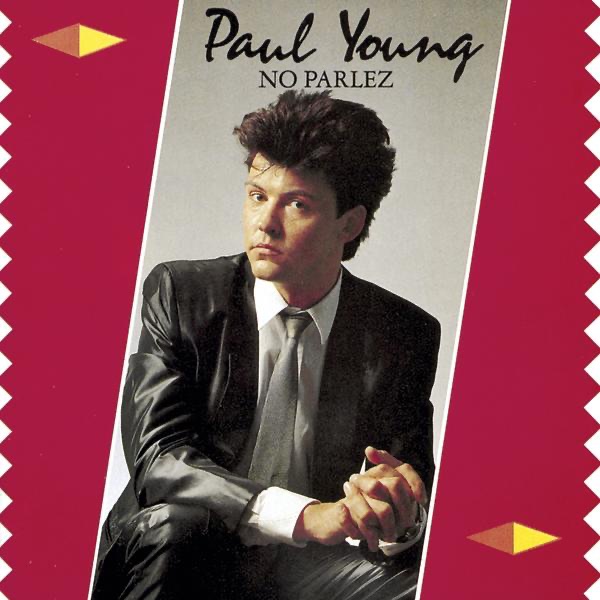 Paul Young - No Parlez
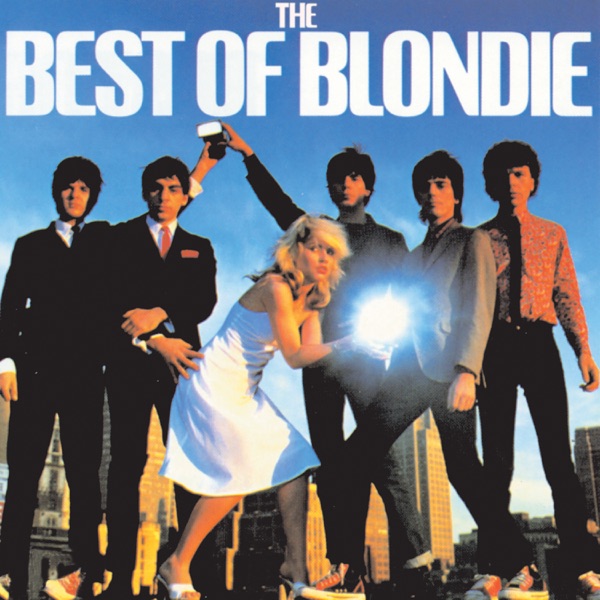 Blondie - The Best of Blondie
 Blancmange - Unfurnished Rooms
 Squeeze - Cosi Fan Tutti Frutti
 Lene Lovich - Flex
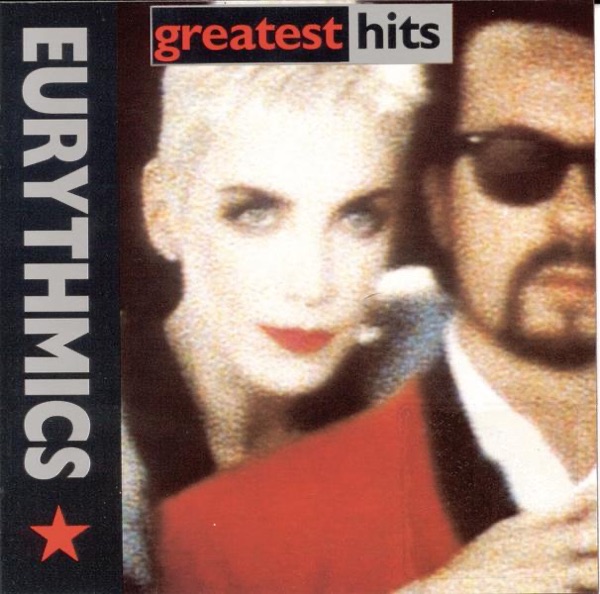 Eurythmics - Greatest Hits (Eurythmics album)
 The Rolling Stones - Undercover
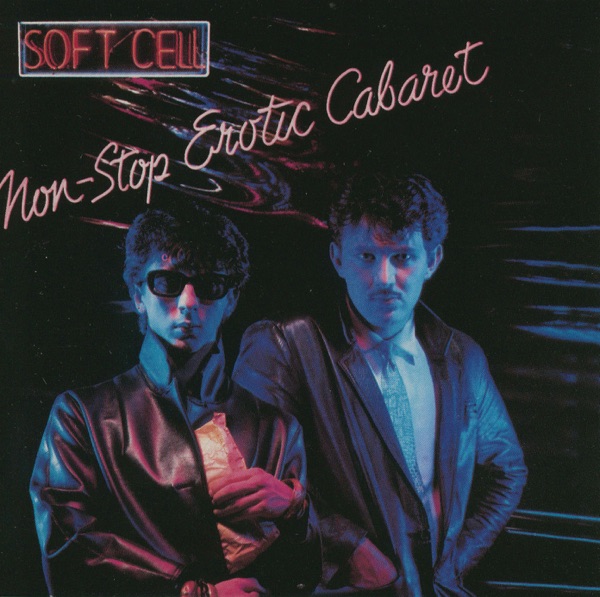 Soft Cell - Non-Stop Erotic Cabaret
 Echo & The Bunnymen - Crocodiles (album)
 Visage - The Anvil

Join the Conversation
Share your thoughts about this album.
Please log in to add a comment.
No comments yet. Be the first to comment.