
Stone Alone
by Bill Wyman
Released: February 27, 1976
Rock
Shop Bill Wyman
Amazon affiliate linksThe Album
Unlike his first solo album, "Stone Alone" features a larger number of collaborations with notable artists of the time. Because of these collaborations, the album was filled with a wide variety of sounds and styles, ranging from rock, soul, funk, and country influences. Nevertheless, it remains a significant part of Wyman's discography and demonstrates his songwriting and musical range outside of the Rolling Stones.
Interesting Facts
"Stone Alone" is the second solo album by…
"Stone Alone" is the second solo album by Rolling Stones bassist, Bill Wyman.
It was released in 1976, five years after…
It was released in 1976, five years after his first solo release "Monkey Grip." This album maintains a funk-infused sound similar to its predecessor.
Wyman's signature bass playing style is evident throughout…
Wyman's signature bass playing style is evident throughout, which helped to establish his own musical identity apart from his work done with the Rolling Stones.
These artists include Dr. John, Joe Walsh, Van…
These artists include Dr. John, Joe Walsh, Van Morrison, and Dallas Taylor.
Unfortunately, despite the star power and diversity found…
Unfortunately, despite the star power and diversity found in "Stone Alone", the album did not gain much commercial traction.
Explore the Album
Bill Wyman - Stone Alone
Open in Albums Gallery
The Complete Album Story
"Stone Alone" is the second solo album by Rolling Stones bassist, Bill Wyman. It was released in 1976, five years after his first solo release "Monkey Grip." This album maintains a funk-infused sound similar to its predecessor. Wyman's signature bass playing style is evident throughout, which helped to establish his own musical identity apart from his work done with the Rolling Stones.
Unlike his first solo album, "Stone Alone" features a larger number of collaborations with notable artists of the time. These artists include Dr. John, Joe Walsh, Van Morrison, and Dallas Taylor. Because of these collaborations, the album was filled with a wide variety of sounds and styles, ranging from rock, soul, funk, and country influences.
Unfortunately, despite the star power and diversity found in "Stone Alone", the album did not gain much commercial traction. Nevertheless, it remains a significant part of Wyman's discography and demonstrates his songwriting and musical range outside of the Rolling Stones. The album is a reflection of his musical experimentation and stands as a testament to his contributions to the wider musical landscape.
More Rock Albums
 Robert Plant - Mighty ReArranger
 Quicksilver Messenger Service - Comin' Thru
 The Monkees - The Monkees Greatest Hits (Colgems)
 Yo La Tengo - Electr-O-Pura
 Bread - On the Waters
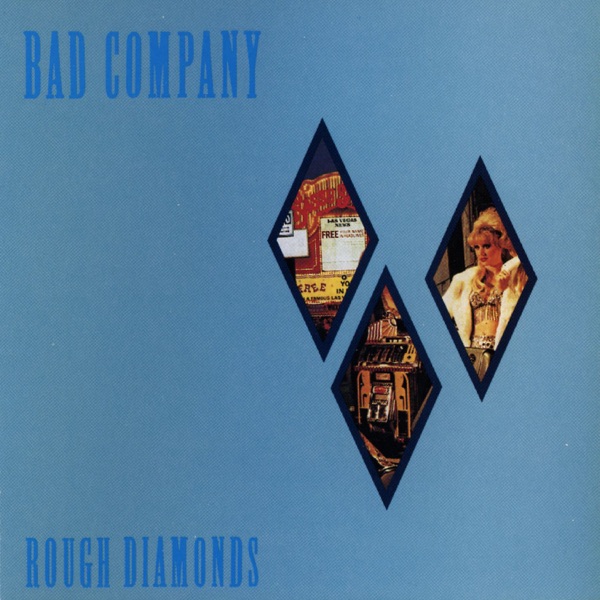 Bad Company - Rough Diamonds (album)
 The Damned - Not of This Earth
 Tori Amos - Gold Dust
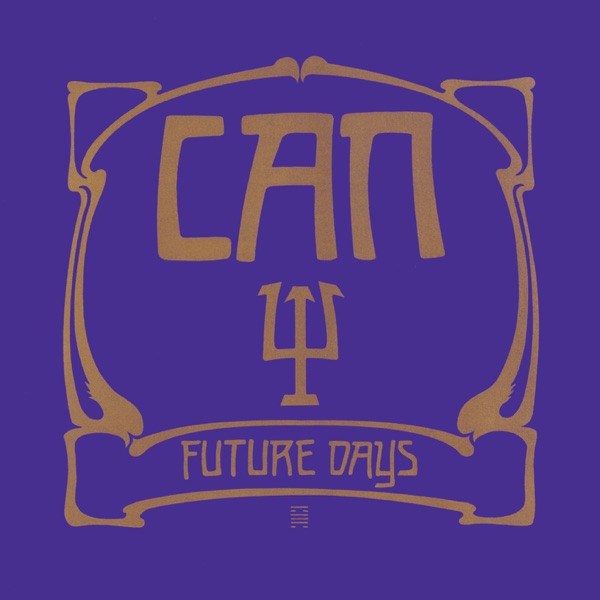 Can - Future Days
 Whitesnake - The Purple Album

Join the Conversation
Share your thoughts about this album.
Please log in to add a comment.
No comments yet. Be the first to comment.