
One
by Bee Gees
Released: April 17, 1989
Pop, soul, disco, rock, soft rock
Shop Bee Gees
Amazon affiliate linksWhy This Album Matters
This album matters because its strongest editorial story is: Chart Success.
The Album
"One" is the Bee Gees' 18th studio album, released in April 1989. The album, which followed their previous studio album E.S.P. in 1987, marked a change in direction from the earlier sound to a more adult contemporary feel. Unique to this collection is the fact it was recorded entirely digitally, contributing to its sleek, polished sound.
Inside the Recording
The Bee Gees started recording "One" in mid-1988, collaborating in this album with producers Brian Tench and Brian Malouf.
Interesting Facts
The album was also the first to be…
The album was also the first to be recorded following the death of their younger brother Andy Gibb, and the title track is a poignant tribute to him.
The album marked the band's return to the…
The album marked the band's return to the music scene following a hiatus after their brother and bandmate, Andy Gibb, passed away.
The album spawned three singles: "One" - which…
The album spawned three singles: "One" - which was a Top 10 hit in the U.S., "Tokyo Nights", and "Bodyguard".
Essential Tracks
Bodyguard
The album spawned three singles: "One" - which was a Top 10 hit in the U.S., "Tokyo Nights", and "Bodyguard".
Tokyo Nights
The album spawned three singles: "One" - which was a Top 10 hit in the U.S., "Tokyo Nights", and "Bodyguard".
Explore the Album
Bee Gees - One
Open in Albums Gallery
Reception
A seminal pop music artifact, it is known notably for its title track, "One," which reached number seven on the Billboard Hot 100 chart. Though it received a lukewarm reception from critics, it re-established the Bee Gees as contemporary pop artists, paving the way for their continued contribution to the pop music landscape in the ensuing years.
The Complete Album Story
"One" is the Bee Gees' 18th studio album, released in April 1989. The album marked the band's return to the music scene following a hiatus after their brother and bandmate, Andy Gibb, passed away. A seminal pop music artifact, it is known notably for its title track, "One," which reached number seven on the Billboard Hot 100 chart.
The Bee Gees started recording "One" in mid-1988, collaborating in this album with producers Brian Tench and Brian Malouf. The album, which followed their previous studio album E.S.P. in 1987, marked a change in direction from the earlier sound to a more adult contemporary feel.
Unique to this collection is the fact it was recorded entirely digitally, contributing to its sleek, polished sound. The album was also the first to be recorded following the death of their younger brother Andy Gibb, and the title track is a poignant tribute to him.
The album spawned three singles: "One" - which was a Top 10 hit in the U.S., "Tokyo Nights", and "Bodyguard". Though it received a lukewarm reception from critics, it re-established the Bee Gees as contemporary pop artists, paving the way for their continued contribution to the pop music landscape in the ensuing years.
More Pop Albums
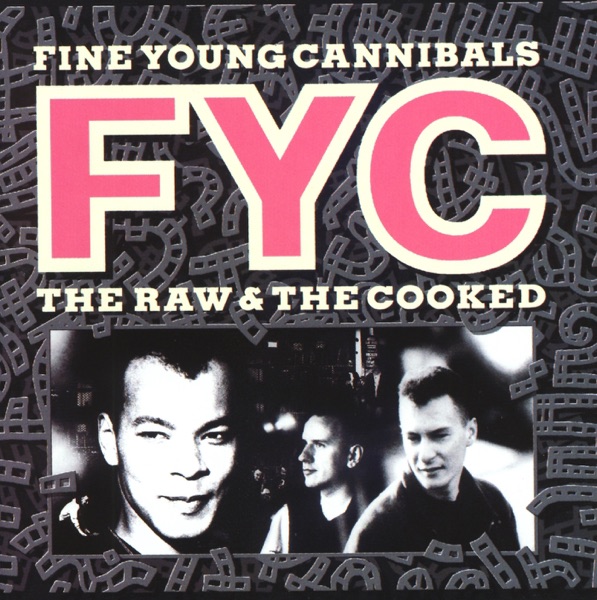 Fine Young Cannibals - The Raw & the Remix
 Depeche Mode - Delta Machine
 Kate Bush - Director's Cut
 Tori Amos - Y Kant Tori Read
 Elton John - Goodbye Yellow Brick Road
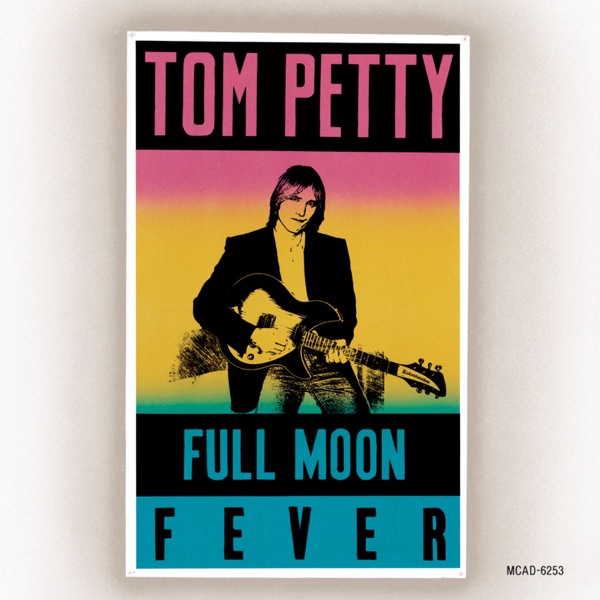 Tom Petty - Full Moon Fever
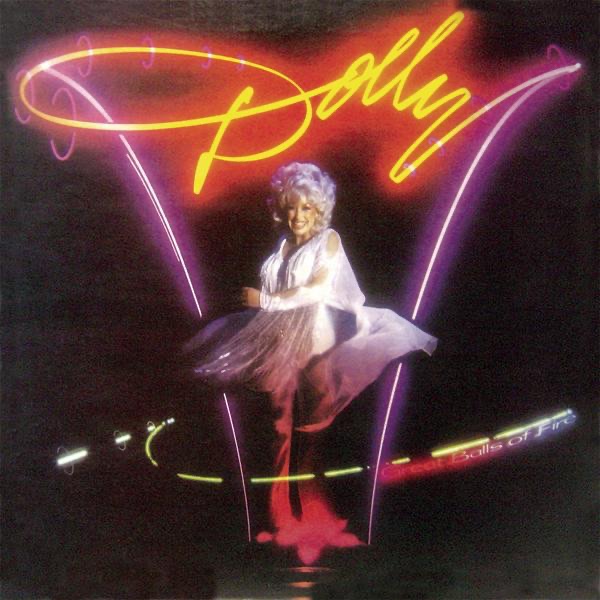 Dolly Parton - Great Balls of Fire
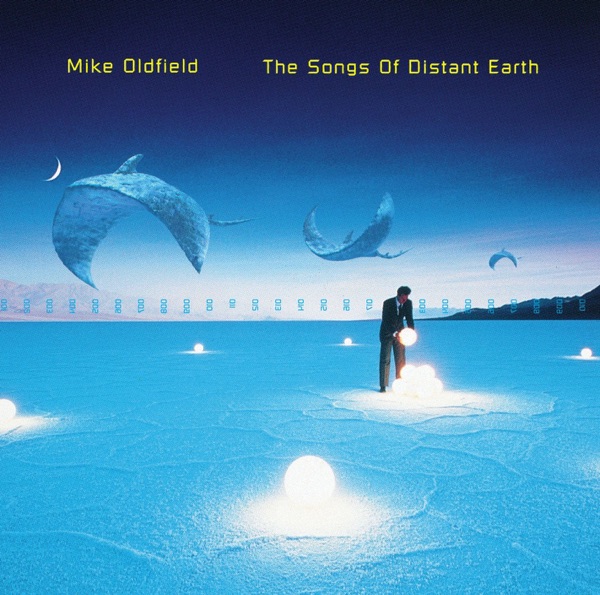 Mike Oldfield - Islands
 Earth, Wind & Fire - Gold (Earth, Wind & Fire album)
 Bryan Ferry - Dylanesque
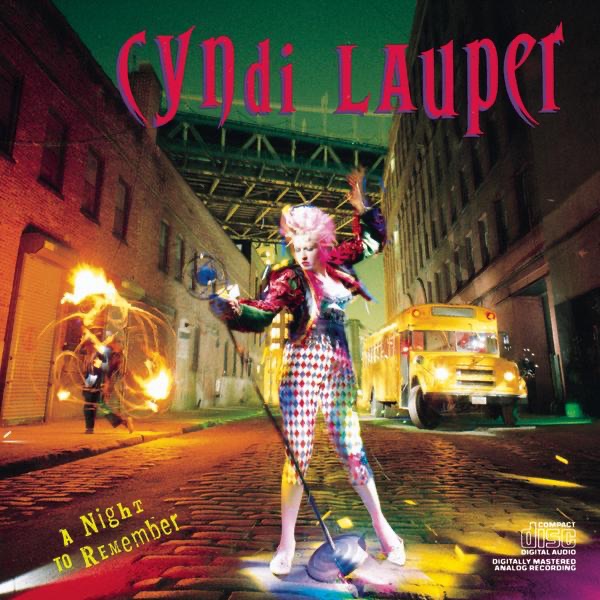 Cyndi Lauper - A Night to Remember

Join the Conversation
Share your thoughts about this album.
Please log in to add a comment.
No comments yet. Be the first to comment.