 By Admin
·
July 03, 2026
By Admin
·
July 03, 2026
"White Blood Cells" by White Stripes
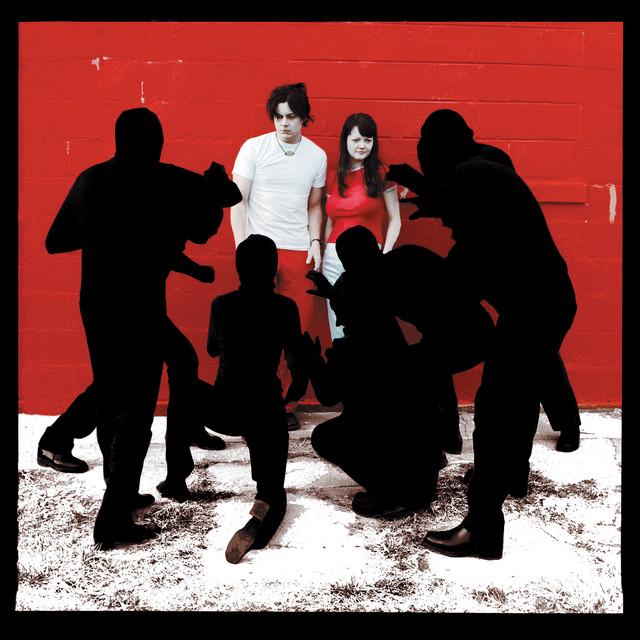
White Blood Cells is the third studio album by The White Stripes, released in 2001. Widely regarded as the album that launched the duo onto the international stage, it transformed The White Stripes from an underground garage rock act into one of the most exciting and influential bands of the early 2000s. The record played a crucial role in the garage rock revival, inspiring a new generation of bands to embrace raw, stripped-down rock music.
Musically, the album combines garage rock, blues rock, punk, and lo-fi aesthetics with remarkably simple yet memorable songwriting. Using only guitar, drums, and vocals, Jack and Meg White created a powerful sound that proved a rock band didn't need elaborate production or large lineups to make a lasting impact. The album's raw production, recorded with minimal overdubs and analog equipment, gives it an energetic, almost live feel that perfectly complements the music.
Featured Album Video

The White Stripes - White Blood Cells
Read the full album story
The record features several of the band's defining songs, including **"Fell in Love with a Girl," "Dead Leaves and the Dirty Ground," "Hotel Yorba,"** and **"We're Going to Be Friends."** Each track showcases a different side of the duo—from explosive garage rock to gentle acoustic storytelling—demonstrating their surprising musical range despite the minimalist setup.
Lyrically, White Blood Cells explores themes of love, innocence, loneliness, relationships, and imagination. Jack White's songwriting blends childlike simplicity with emotional depth, often drawing inspiration from blues traditions, folk storytelling, and classic rock while giving them a distinctly modern edge.
## Behind the Music
One of the most fascinating stories about **White Blood Cells** is that **Jack White deliberately wanted it to sound imperfect**.
At a time when many rock albums were becoming increasingly polished through digital recording and studio editing, Jack insisted on recording the album with a raw, almost homemade quality. Mistakes were often left in the final mixes, songs were recorded quickly, and the performances captured the spontaneous energy of the moment rather than technical perfection. His philosophy was simple: emotion mattered more than flawless execution.
Another clever aspect of the album was **the mystery surrounding the band itself**.
For years, Jack and Meg White publicly claimed they were **brother and sister**, even though they had actually been married and later divorced before the band's success. The unusual story created enormous curiosity in the media and became one of rock's biggest mysteries of the early 2000s. It wasn't until years later that public records revealed the truth. Jack believed the "siblings" story made people focus on the music rather than celebrity gossip or their personal lives, adding another layer to the band's carefully crafted artistic identity.
The album also contains one of the band's biggest breakthrough moments almost by accident. **"Fell in Love with a Girl"** became a worldwide hit after filmmaker Michel Gondry directed its now-iconic music video entirely using LEGO bricks. The innovative stop-motion animation won multiple awards and became one of the most recognizable music videos of the MTV era. Many fans first discovered The White Stripes through that video, making it one of the most influential collaborations between a band and a music video director.
Interestingly, the album's title **doesn't refer to blood cells at all**. Jack White has explained that he simply liked the phrase because it sounded scientific and mysterious while also fitting the band's signature red, white, and black visual identity. Like much of The White Stripes' image, the title was intended to spark curiosity rather than provide a literal meaning.
White Blood Cells also marked the moment when Jack White fully embraced the idea that limitations could fuel creativity. By restricting the band to just guitar, drums, and vocals—and avoiding bass guitar altogether—he challenged himself to make every riff, melody, and rhythm count. That philosophy became one of The White Stripes' defining characteristics and influenced countless garage rock and indie bands throughout the 2000s.
Upon its release, White Blood Cells received widespread critical acclaim and is now considered one of the defining rock albums of the 21st century. Its combination of raw energy, unforgettable songwriting, and fearless simplicity helped reignite interest in garage rock and proved that authentic performances could still compete in an era dominated by polished studio productions. Even today, it remains one of the most influential albums of the garage rock revival and a landmark release in modern rock history.
More Garage Rock Albums
 Spirit - Farther Along (Spirit album)
 Tori Amos - To Venus and Back
 Ten Years After - Now
 Johnny Marr - Call the Comet
 War - Deliver the Word
 Yes - Yesterdays
 The Doors - In Concert (The Doors album)
 Iggy Pop - Soldier
 Guns N' Roses - G N' R Lies
 The Dream Academy - Remembrance Days
 Blackfield - Welcome to My DNA
 The Damned - Phantasmagoria

Join the Conversation
Share your thoughts about this music story.
No comments yet. Be the first to comment.