 By Admin
·
July 11, 2026
By Admin
·
July 11, 2026
"Vienna" by Ultravox
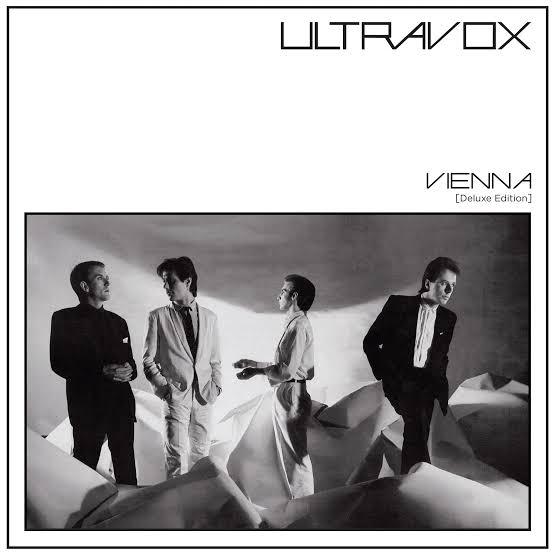
Vienna is the fourth studio album by Ultravox, released in 1980. It marked a dramatic turning point in the band's history and became the album that transformed Ultravox from a respected cult act into one of the defining groups of the new wave and synth-pop era. It was also the first album to feature vocalist Midge Ure, whose arrival reshaped the band's sound and helped establish the elegant blend of synthesizers, electronic textures, rock instrumentation, and orchestral influences that would define Ultravox throughout the 1980s.
Musically, Vienna combines synth-pop, new wave, art rock, electronic music, and classical influences into a sophisticated and cinematic sound. Rather than using synthesizers simply as futuristic effects, Ultravox treated them as expressive instruments capable of creating atmosphere, emotion, and drama. Songs such as "Vienna," "Passing Strangers," "Sleepwalk," and "All Stood Still" showcase the band's ability to combine memorable melodies with lush arrangements and emotional depth.
Featured Album Video

Ultravox - Vienna (album)
Read the full album story
Lyrically, the album explores themes of romance, isolation, memory, European culture, and emotional longing. The title track, in particular, evokes a sense of nostalgia and melancholy inspired by the elegance of the Austrian capital, creating one of the most atmospheric songs of the early synth-pop movement.
Behind the Music
One of the most remarkable stories behind Vienna is that it almost never happened. In 1979, original singer John Foxx left Ultravox after three albums, leaving many people convinced the band was finished. Instead of breaking up, the remaining members invited Midge Ure—who had previously played with Slik, Rich Kids, and Visage—to join as vocalist and guitarist. The chemistry was immediate, and the new lineup completely reinvented the band's identity. Many fans now consider Vienna to be the true beginning of the classic Ultravox sound.
The title track has one of the most ironic stories in pop music history. Although "Vienna" became Ultravox's signature song and is widely regarded as one of the greatest synth-pop singles ever recorded, it never reached No. 1 in the UK. It was famously kept off the top spot by Joe Dolce's novelty hit "Shaddap You Face." The result shocked both fans and critics and is still remembered as one of the biggest upsets in British chart history. Ironically, while Joe Dolce's song quickly faded from the charts, "Vienna" has endured for decades as a defining classic of the 1980s.
The music video also played a huge role in the album's success. Inspired by classic European cinema, particularly the films of Carol Reed and Orson Welles, the video was shot on location in Vienna using dramatic black-and-white imagery, elegant architecture, and cinematic storytelling. At a time when music videos were becoming increasingly important through television, it helped establish Ultravox as one of the most visually sophisticated bands of the era.
Another interesting detail is that the band deliberately avoided following the disco trends that still dominated popular music. Instead, they embraced cold electronic textures, classical influences, and a distinctly European aesthetic. This approach helped separate Ultravox from many of their contemporaries and influenced later artists working in synth-pop, new romantic, and electronic music.
Upon its release, Vienna received widespread critical acclaim and became Ultravox's commercial breakthrough. It reached the Top 5 in the UK, while the title track became an international hit and remains one of the defining songs of the decade. Today, Vienna is considered one of the landmark albums of the synth-pop movement, admired for its ambitious production, emotional songwriting, and timeless atmosphere. More than four decades later, it continues to stand as one of the finest examples of electronic music successfully blending innovation with genuine emotional power.
More New Wave Albums
 Todd Rundgren - Liars (Todd Rundgren album)
 Kim Wilde - Catch as Catch Can
 Classix Nouveaux - Battle Cry
 Martin Gore - Counterfeit 2
 Unkle - Where Did the Night Fall
 The Ocean Blue - Davy Jones' Locker
 The Damned - Machine Gun Etiquette
 Aphex Twin - Richard D. James Album
 Wire - A Bell Is a Cup... Until It Is Struck
 Mogwai - Rave Tapes
 Soft Cell - The Art of Falling Apart
 Orchestral Manoeuvres In The Dark - Liberator

Join the Conversation
Share your thoughts about this music story.
No comments yet. Be the first to comment.