 By Admin
·
November 07, 2023
By Admin
·
November 07, 2023
"Ummagumma" by Pink Floyd, released in November 07, 1969
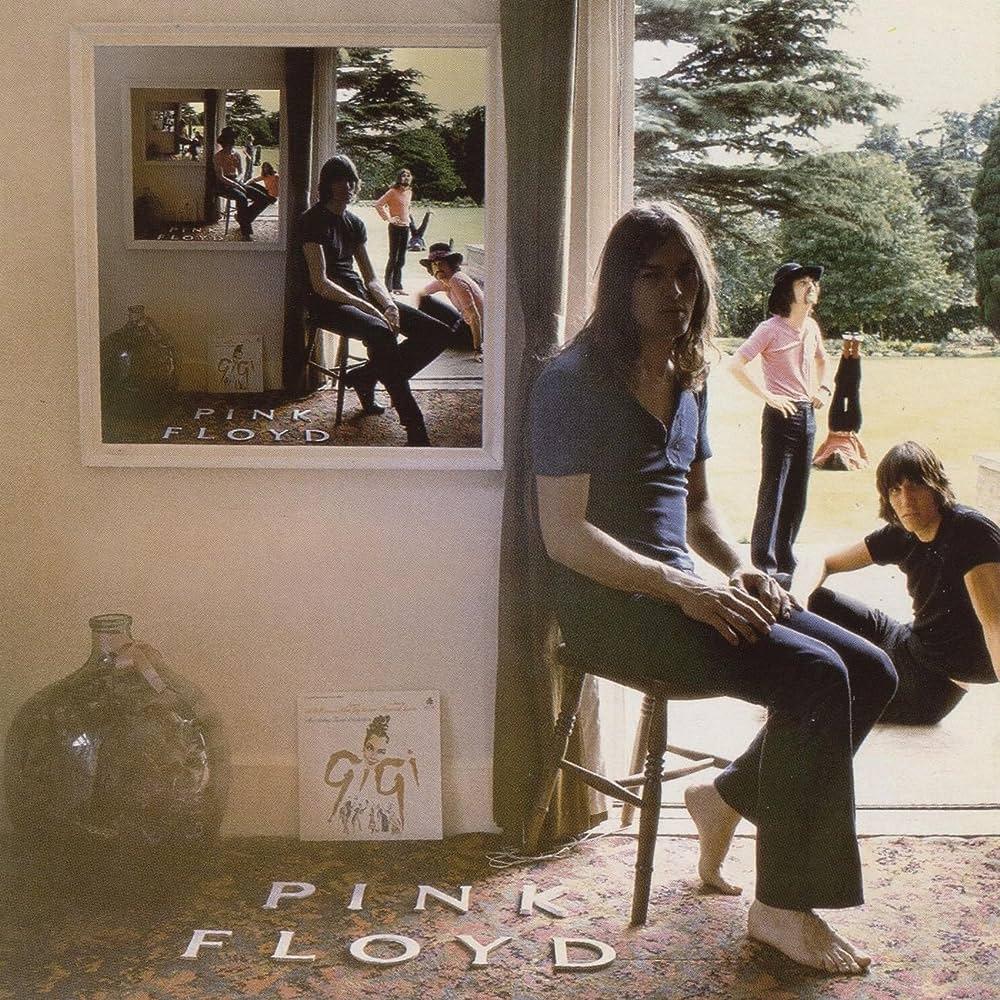
"Ummagumma" by Pink Floyd, released in 1969, is a double album that captures the band at a transitional phase, showcasing both live performances and individual studio contributions. Here are some thoughts on the album:
Experimental Nature: "Ummagumma" is notable for its experimental and avant-garde nature. It reflects Pink Floyd's willingness to push musical boundaries, exploring unconventional sounds and structures.
Featured Album Video

Pink Floyd - Ummagumma
Read the full album story
Live Album and Studio Contributions: The album is divided into two parts. The first part consists of live recordings from concerts, showcasing Pink Floyd's performance prowess. The second part features individual studio contributions from each band member.
Live Tracks: The live portion includes extended and improvised versions of tracks like "Careful with That Axe, Eugene" and "Set the Controls for the Heart of the Sun." These performances highlight the band's improvisational skills and their ability to create immersive live experiences.
Studio Tracks: The studio portion features individual compositions by each band member. These tracks provide insight into the diverse musical influences within the band. Notable tracks include Roger Waters' "Grantchester Meadows" and Richard Wright's "Sysyphus."
Visual Presentation: The album's cover art, featuring a series of disconnected images, aligns with the disjointed and experimental nature of the music. The visual presentation adds an artistic dimension to the overall experience.
Syd Barrett's Influence: "Ummagumma" is one of the last albums to feature contributions from Syd Barrett, the band's original frontman. His presence is felt in the whimsical and psychedelic aspects of the studio tracks.
Transition to Progressive Rock: The album is a transitional work that hints at Pink Floyd's future direction toward progressive rock. The experimental elements laid the groundwork for the band's more complex and conceptual albums in the 1970s.
Cult Status: While "Ummagumma" received mixed critical reviews upon its release, it has gained a cult status over the years. Fans appreciate its adventurous spirit and see it as a snapshot of Pink Floyd's evolution during a dynamic period in their career.
"Ummagumma" is a challenging and complex album that reflects the changing musical landscape of the late 1960s. It serves as a document of Pink Floyd's experimentation and the individual creative contributions of its members.
More Experimental Albums
 King Crimson - In the Wake of Poseidon
 Camel - Harbour of Tears
 Atomic Rooster - Death Walks Behind You
 Emerson, Lake & Palmer - Works Volume 1
 Sonic Youth - The Eternal (album)
 Black Flag - Family Man
 Björk - Volta (album)
 Mdou Moctar - Ilana (The Creator)
 Nektar - Recycled
 Barclay James Harvest - Gone to Earth
 Peter Murphy - Dust
 Tame Impala - Innerspeaker

Join the Conversation
Share your thoughts about this music story.
No comments yet. Be the first to comment.