 By Admin
·
November 26, 2023
By Admin
·
November 26, 2023
"The Kink Kontroversy" by The Kinks, released in November 26, 1965
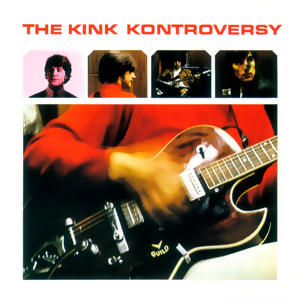
"The Kink Kontroversy" is the third studio album by English rock band The Kinks, released in 1965. Here's a perspective on the album:
Transition and Experimentation: "The Kink Kontroversy" marks a period of transition and experimentation for The Kinks. The band was moving away from their earlier R&B sound and beginning to explore more diverse musical styles.
Featured Album Video

The Kinks - The Kink Kontroversy
Read the full album story
Innovative Guitar Work: The album is notable for the innovative guitar work of Dave Davies, particularly on tracks like "Till the End of the Day" and "Where Have All the Good Times Gone." Dave's distorted guitar sound had a significant influence on later rock and punk music.
Social Commentary: Ray Davies, the band's primary songwriter, continued to showcase his talent for social commentary and storytelling. Tracks like "The Hard Way" and "I'm Not Like Everybody Else" reflect Davies' keen observations and often cynical view of society.
Varied Songwriting Styles: "The Kink Kontroversy" features a variety of songwriting styles, from the energetic rock of "Milk Cow Blues" to the more introspective and melancholic "I Am Free." This diversity in musical approach became a hallmark of The Kinks' later work.
Lyrical Wit and Satire: Ray Davies' lyrical wit and satire are evident throughout the album. He had a unique ability to address serious social issues with humor and irony, a characteristic that became a defining element of The Kinks' style.
Commercial Reception: While not as commercially successful as some of The Kinks' later albums, "The Kink Kontroversy" received positive reviews from critics and laid the groundwork for the band's evolving sound.
Impact on Later Work: The experimentation seen on this album paved the way for The Kinks' more ambitious and concept-driven work in the late 1960s and early 1970s.
In summary, "The Kink Kontroversy" is a significant album in The Kinks' discography, capturing a moment of transition and musical exploration. It showcases the band's evolving sound and Ray Davies' continued prowess as a songwriter. Fans of 1960s rock, particularly those interested in the British Invasion, often appreciate the album for its musical innovation and social commentary
More Beat Albums
 The Supremes - The Supremes A' Go-Go
 The Residents - Residue of the Residents
 Ten Years After - Rock & Roll Music to the World
 The Beatles - Beatles '65
 David Gilmour - On an Island
 The Beach Boys - Wild Honey
 America - Holiday
 Jesus Jones - Liquidizer
 Cut Copy - In Ghost Colours
 Johnny Hates Jazz - Magnetized (album)
 The Go-Go's - Vacation
 Madness - Complete Madness

Join the Conversation
Share your thoughts about this music story.
No comments yet. Be the first to comment.