 By Admin
·
June 19, 2026
By Admin
·
June 19, 2026
"Softs" by Soft Machin
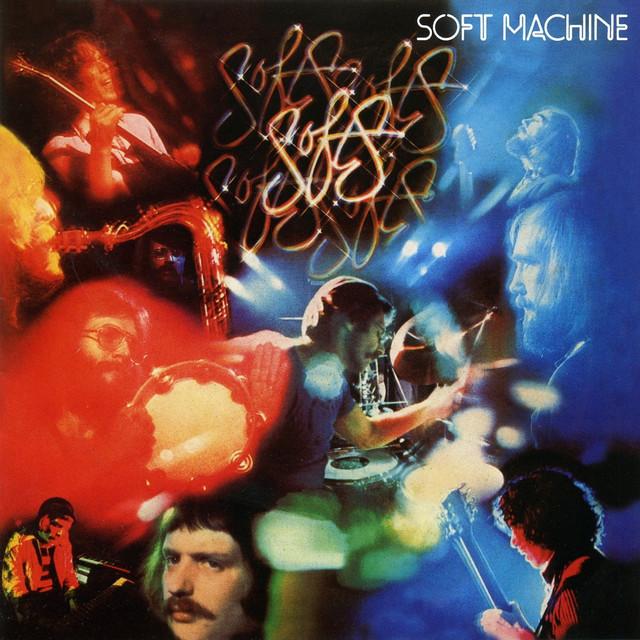
Softs is the seventh studio album by Soft Machine, released in 1976. It occupies a unique place in the band's history, arriving during a period when Soft Machine had largely moved away from its psychedelic and experimental origins and embraced a more sophisticated jazz fusion sound. By the time Softs was recorded, none of the original founding members remained in the lineup, making the album representative of a new chapter in the band's evolution.
Musically, Softs is rooted in jazz fusion, combining elements of progressive rock, jazz improvisation, and instrumental composition. The album features intricate musicianship, complex arrangements, and a strong emphasis on melody and atmosphere. Unlike some of the band's earlier recordings, which often explored avant-garde experimentation and extended improvisation, Softs presents a more accessible and polished approach while maintaining a high level of musical sophistication.
Featured Album Video

Soft Machine - Softs (album)
Read the full album story
A major highlight of the album is the contribution of guitarist John Etheridge, whose fluid and expressive playing brought a fresh dimension to the band's sound. Alongside keyboardist Karl Jenkins, bassist Roy Babbington, and drummer John Marshall, Etheridge helped create a balance between technical virtuosity and melodic clarity. The result is a collection of compositions that feel both intricate and inviting.
Tracks such as “Ban-Ban Caliban,” “Song of Aeolus,” and “The Tale of Taliesin” demonstrate the album's blend of jazz-inspired improvisation, progressive structures, and atmospheric textures. The compositions often feature shifting rhythms, rich harmonies, and subtle interplay between the musicians, reflecting the band's maturity and collective chemistry.
One of the defining qualities of Softs is its elegance. Rather than relying on dramatic rock dynamics or aggressive fusion techniques, the album often favors restraint, allowing melodies and instrumental conversations to develop naturally. This gives the music a reflective and almost pastoral quality that distinguishes it from many other jazz fusion recordings of the era.
Although Softs did not achieve major commercial success, it has earned respect among progressive rock and jazz fusion fans for its musicianship and understated beauty. Many listeners consider it one of the stronger releases from Soft Machine's later period, particularly because of its balance between accessibility and complexity.
Today, Softs is regarded as an important entry in the band's extensive catalog and a noteworthy example of 1970s jazz fusion. It captures Soft Machine at a stage where technical excellence, melodic composition, and ensemble playing came together to create a sophisticated and rewarding listening experience.
More Jazz Rock Albums
 Jaco Pastorius - Jaco (album)
 Nina Simone - Nina Simone in Concert
 Blue Zone - Big Thing
 Billie Holiday - Billie Holiday Sings
 Jaco Pastorius - Jaco Pastorius (album)
 Tom Waits - Heartattack and Vine
 Soft Machine - Hidden Details
 Duke Ellington - The Duke Plays Ellington
 The Stooges - The Weirdness
 Steely Dan - The Royal Scam
 Santana - Marathon
 Weather Report - Weather Report (1982 album)

Join the Conversation
Share your thoughts about this music story.
No comments yet. Be the first to comment.