 By Admin
·
July 15, 2026
By Admin
·
July 15, 2026
"Roger the Engineer" by Yardbirds
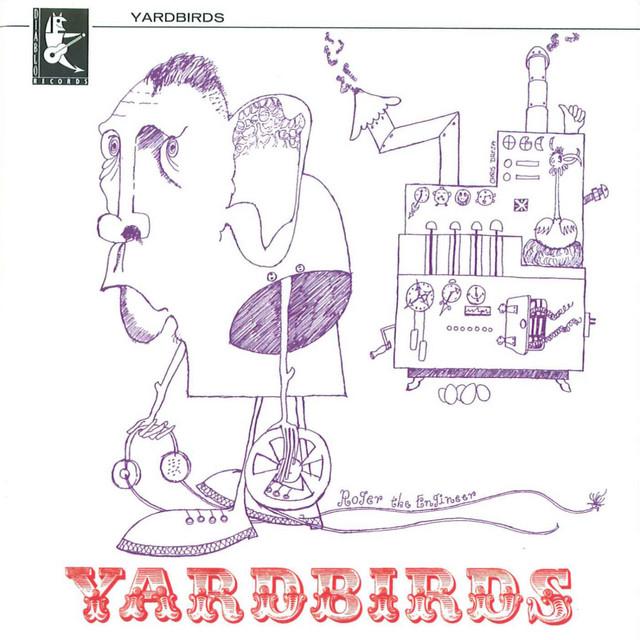
Roger the Engineer is the only album by the Yardbirds to consist entirely of original material, released in 1966. Officially titled Yardbirds in the UK, it became known as Roger the Engineer because of its distinctive cover illustration by drummer Jim McCarty, depicting the band's recording engineer Roger Cameron. The album captures the Yardbirds at their creative peak, bridging blues rock, psychedelic rock, and experimental pop while showcasing the extraordinary guitar work of Jeff Beck.
Coming just months after Eric Clapton had left the band, Roger the Engineer demonstrated that the Yardbirds were not only capable of moving forward but were entering one of the most innovative phases of their career. Jeff Beck's fearless use of distortion, feedback, sustain, and unconventional guitar sounds pushed rock music into unexplored territory, helping lay the foundations for psychedelic rock and, later, hard rock and heavy metal.
Featured Album Video

The Yardbirds - Roger the Engineer
Read the full album story
Musically, the album blends British blues, psychedelic rock, garage rock, and experimental pop. Songs such as "Over Under Sideways Down," "Happenings Ten Years Time Ago" (recorded during the same era), "Lost Woman," and "Turn into Earth" reveal a band eager to move beyond traditional blues structures and embrace adventurous songwriting and studio experimentation.
Lyrically, the album explores themes of youth, changing society, romance, and surreal imagery. While the lyrics often took a back seat to the band's groundbreaking musicianship, they reflected the growing influence of psychedelia and the rapidly changing cultural landscape of the mid-1960s.
Behind the Music
One of the most fascinating stories behind Roger the Engineer is that it was **the only Yardbirds album made entirely of original songs**. Up to that point, the band had built much of its reputation on reinterpreting American blues classics. Determined to prove they were more than an exceptional live blues band, the members challenged themselves to write an entire album of original material. The gamble paid off, producing one of the most influential British rock albums of the decade.
The album's unusual title came about almost by accident. Although the record was officially called Yardbirds, drummer Jim McCarty created a cartoon-style cover featuring recording engineer Roger Cameron sitting among studio equipment. Fans quickly began referring to it simply as "Roger the Engineer," and the nickname became so popular that it eventually overshadowed the official title.
The recording sessions also highlighted Jeff Beck's remarkable creativity. Rather than treating the guitar as a conventional rock instrument, Beck constantly experimented with feedback, volume controls, distortion, and unusual tones. Many of these techniques were virtually unheard of in 1966 and would later influence guitarists such as Jimmy Page, Eddie Van Halen, David Gilmour, and countless others.
Another remarkable story involves the song "Over Under Sideways Down." The band intentionally set out to create something that sounded unlike anything they had recorded before. Jeff Beck's fuzzy guitar tone, unusual scales, and Eastern-inspired melodies gave the song a psychedelic flavor months before albums like Sgt. Pepper's Lonely Hearts Club Band transformed the musical landscape. It became one of the Yardbirds' defining recordings and a milestone in the evolution of psychedelic rock.
The atmosphere within the band, however, was becoming increasingly complicated. While Roger the Engineer captured the Yardbirds at a creative high point, tensions were beginning to emerge over musical direction and constant touring. Jeff Beck's unpredictable personality often clashed with the demands of the music business, and within months Jimmy Page would join the group, briefly creating one of the most extraordinary twin-guitar lineups in rock history before Beck departed. That short-lived partnership would eventually pave the way for the formation of Led Zeppelin.
Producer Giorgio Gomelsky also deserves enormous credit for the album's adventurous sound. Rather than trying to polish the band's rough edges, he encouraged experimentation and allowed unusual ideas to flourish in the studio. This willingness to embrace innovation helped the Yardbirds become one of the most influential bands of the British Invasion, despite achieving far less commercial success than many of their contemporaries.
Today, Roger the Engineer is regarded as one of the defining albums of the psychedelic era and a crucial turning point in British rock. More than simply a collection of songs, it documents a band pushing the boundaries of what rock music could be. Its influence can be heard in psychedelic rock, progressive rock, heavy metal, and countless guitar-driven genres that followed, making it one of the most important—and often underrated—albums of the 1960s.
More Psychedelic Rock Albums
 Bee Gees - Life in a Tin Can
 Nine Inch Nails - Year Zero (album)
 Big Country - The Crossing
 Def Leppard - Vault: Def Leppard Greatest Hits (1980–1995)
 Taylor Swift - Speak Now World Tour – Live
 The Black Keys - The Big Come Up
 Nick Cave and the Bad Seeds - Murder Ballads
 Pale Saints - Slow Buildings
 Wishbone Ash - Blue Horizon
 The Yardbirds - Having a Rave Up with the Yardbirds
 Adam Ant - Wonderful
 Joni Mitchell - Wild Things Run Fast

Join the Conversation
Share your thoughts about this music story.
No comments yet. Be the first to comment.