 By Admin
·
November 12, 2023
By Admin
·
November 12, 2023
"Nursery Cryme" by Genesi released in November 12, 1971
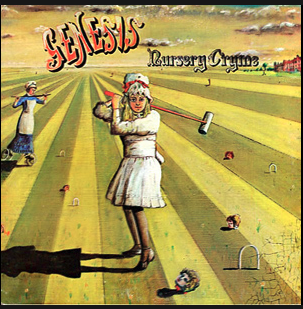
"Nursery Cryme" is actually a significant album by Genesis, is the third studio album released in 1971. Here are some thoughts on the album:
Progressive Rock Exploration: "Nursery Cryme" is considered a cornerstone in the progressive rock genre. It showcases Genesis's early experimentation with complex song structures, intricate arrangements, and literary themes.
Featured Album Video

Genesis - Nursery Cryme
Read the full album story
Classic Lineup: The album features the classic lineup of Genesis, including Peter Gabriel on vocals, Tony Banks on keyboards, Mike Rutherford on bass and guitars, Steve Hackett on guitars, and Phil Collins on drums. This lineup is often hailed as one of the band's most influential configurations.
Storytelling Lyrics: Many of the songs on "Nursery Cryme" feature storytelling lyrics inspired by literature and mythology. Tracks like "The Musical Box" and "The Return of the Giant Hogweed" showcase the band's penchant for narrative-driven songwriting.
Musical Variety: The album spans a range of musical styles, from the delicate and melodic to the grand and theatrical. This diversity is exemplified by tracks like "Seven Stones" and "The Fountain of Salmacis."
Visual Artwork: The album cover, designed by Paul Whitehead, is iconic and complements the fantastical and imaginative nature of the music. The cover art is an integral part of the overall "Nursery Cryme" experience.
Influence on Progressive Rock: "Nursery Cryme" had a significant impact on the progressive rock movement, influencing other bands in the genre. Its adventurous and ambitious approach set a standard for the blending of rock, classical, and theatrical elements.
Fan Favorites: Songs like "The Musical Box" and "The Return of the Giant Hogweed" are often cited as fan favorites. These tracks showcase the band's ability to create immersive and dynamic musical landscapes.
Critical Acclaim: While the album didn't achieve immediate mainstream success, it received critical acclaim over time. Its importance in the progressive rock canon has solidified, and it remains a pivotal work in Genesis's discography.
More Progressive Rock Albums
 Ben Harper - Lifeline
 Blood, Sweat & Tears - More Than Ever
 The Guess Who - The Way They Were
 Garbage - Bleed Like Me
 Them - Belfast Gypsies
 Funeral for a Friend - Tales Don't Tell Themselves
 The Moody Blues - To Our Children's Children's Children
 Manassas - Manassas (album)
 James Gang - Jesse Come Home
 Iron Butterfly - Scorching Beauty
 The Church - Forget Yourself
 Peter Frampton - The Art of Control

Join the Conversation
Share your thoughts about this music story.
No comments yet. Be the first to comment.