 By Admin
·
July 12, 2026
By Admin
·
July 12, 2026
"Maggot Brain" by Funkadelic
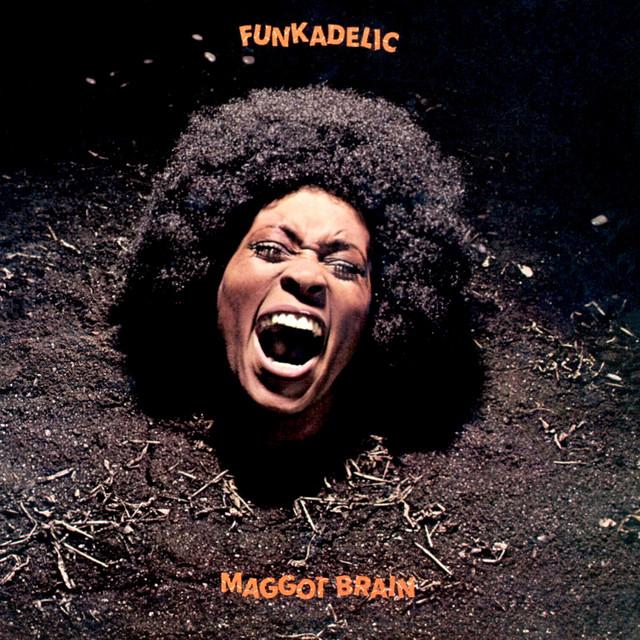
Maggot Brain is the third studio album by Funkadelic, released in 1971. It is widely regarded as one of the greatest and most influential albums in the history of funk and psychedelic rock. Under the leadership of George Clinton, Funkadelic pushed far beyond the boundaries of traditional funk, blending psychedelic rock, blues, soul, gospel, jazz, and experimental music into a fearless and highly original sound. The result was an album that challenged musical conventions and became a landmark for generations of artists.
Unlike many funk records of the era, Maggot Brain isn't built solely around dance grooves. Instead, it moves effortlessly between emotional guitar epics, heavy rock riffs, soulful harmonies, and extended improvisation. Songs like "Can You Get to That," "Hit It and Quit It," "Super Stupid," and the closing jam "Wars of Armageddon" showcase a band completely unconcerned with commercial formulas, choosing creativity and experimentation above all else.
Featured Album Video

Funkadelic - Maggot Brain
Read the full album story
At the heart of the album is the ten-minute title track, featuring Eddie Hazel's legendary guitar performance. Frequently ranked among the greatest guitar solos ever recorded, it remains one of the defining moments in rock history and has influenced countless musicians across genres.
### Behind the Music
The story behind "Maggot Brain" has become one of the greatest legends in rock history.
Before recording the title track, George Clinton walked into the studio and quietly told guitarist Eddie Hazel:
*"Play as if you just found out your mother had died... but then discovered she was still alive."*
Hazel closed his eyes and began playing.
What listeners hear on the album is essentially that first emotional performance. Rather than asking Hazel to perfect the solo through multiple takes, Clinton recognized that the raw emotion couldn't be recreated. He later enhanced the recording by fading the guitar in and out, creating the haunting, almost ghost-like sound that defines the track today.
Another fascinating story is that George Clinton deliberately wanted to challenge the idea that Black musicians belonged only in soul and funk. Inspired by artists like Jimi Hendrix, he encouraged Funkadelic to embrace loud guitars, psychedelic experimentation, and rock music without abandoning their funk roots. At the time, this was a bold artistic statement that broke down musical and cultural barriers.
The recording sessions were equally unconventional. Clinton often encouraged the musicians to jam freely for long periods before deciding what would become part of the final album. Instead of arriving with fully written songs, many ideas developed organically in the studio, giving the album its spontaneous and unpredictable character.
Perhaps the biggest surprise is that Maggot Brain wasn't an immediate commercial success. While critics and fellow musicians recognized its originality, it took years for the album to achieve the legendary reputation it enjoys today. It has since appeared on numerous "greatest albums of all time" lists and has influenced artists as diverse as Prince, Red Hot Chili Peppers, Soundgarden, Radiohead, and countless hip-hop producers who sampled its music.
Today, Maggot Brain is considered far more than a classic funk album. It is a celebration of artistic freedom, emotional expression, and fearless experimentation—an album that continues to inspire musicians more than fifty years after its release.
More Psychedelic Funk Albums
 Quicksilver Messenger Service - What About Me
 Michael Jackson - Thriller
 Elvis Costello - Wise Up Ghost
 Grace Jones - Portfolio
 Bruno Mars - 24K Magic
 Lisa Stansfield - Face Up
 Earth, Wind & Fire - Holiday
 Prince - Lovesexy
 Love - Reel to Real
 Earth, Wind & Fire - Touch the World
 Aretha Franklin - Sings the Great Diva Classics
 Justin Timberlake - Everything I Thought It Was

Join the Conversation
Share your thoughts about this music story.
No comments yet. Be the first to comment.