 By Admin
·
May 14, 2026
By Admin
·
May 14, 2026
Ian Astbury
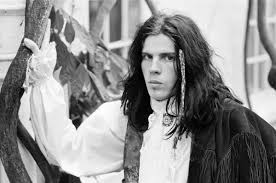
Ian Astbury has always been one of the most unique and charismatic voices in rock music for me. Best known as the lead singer of The Cult, Astbury built a career that combined gothic rock, hard rock, post-punk, and psychedelic influences into a style that felt powerful, spiritual, and unmistakably his own. His deep, hypnotic voice and intense stage presence helped make The Cult one of the most important alternative rock bands of the 1980s and beyond.
What I admire most about Ian Astbury is how he managed to balance raw rock energy with deeper artistic and spiritual themes. Albums like Love, Electric, and Sonic Temple showcased not only massive guitar-driven songs but also lyrics filled with mysticism, Native American influences, existential ideas, and emotional intensity. Songs such as “She Sells Sanctuary,” “Rain,” and “Fire Woman” became classics because they combined memorable hooks with a dark and atmospheric identity that separated The Cult from many other rock bands of the era.
Featured Artist Video

Ian Astbury
Open in Musicians Gallery
Astbury’s image and personality also played a huge role in his impact on alternative music culture. He brought together elements of goth, glam, psychedelia, and classic rock in a way that felt authentic rather than manufactured. During the 1980s, when many bands focused purely on commercial success, Ian Astbury seemed more interested in creating a spiritual and emotional connection through music. That gave The Cult a timeless quality that still resonates today.
Another thing I appreciate about Astbury is his respect for rock history and artistic evolution. His admiration for artists like Jim Morrison and The Doors is well known, and at one point he even performed as vocalist for a version of The Doors called The Doors of the 21st Century. While comparisons to Morrison followed him throughout his career, I always felt Ian Astbury developed his own identity and voice over time rather than simply imitating his influences.
Musically, Astbury helped bridge the gap between post-punk and hard rock. The Cult’s sound evolved dramatically across different albums, moving from gothic and atmospheric beginnings into heavier hard rock territory while still maintaining emotional depth. That willingness to evolve is one reason why the band remained relevant across multiple decades.
For me, Ian Astbury represents the kind of rock artist that is becoming increasingly rare — someone who values atmosphere, emotion, mystery, and artistic identity just as much as commercial success. His work with The Cult continues to inspire alternative and hard rock musicians, and his voice remains one of the most recognizable in rock music history.
– Itai Tivoni
More Music Albums
 Dead Can Dance - Aion (Dead Can Dance album)
 Page and Plant - No Quarter: Jimmy Page and Robert Plant Unledded
 The Residents - Mark of the Mole
 Willie Nelson - Spirit (Willie Nelson album)
 Emerson, Lake & Palmer - Works Volume 1
 Laurie Anderson - The Ugly One with the Jewels
 Eric Clapton - Happy Xmas
 Dead Can Dance - Dionysus
 Slade - Crackers
 Elton John - Friends (film soundtrack)
 The Kinks - Muswell Hillbillies
 Joe Jackson - Night Music

Join the Conversation
Share your thoughts about this music story.
No comments yet. Be the first to comment.