 By Admin
·
July 01, 2026
By Admin
·
July 01, 2026
"Heathen Chemistry" by Oasis
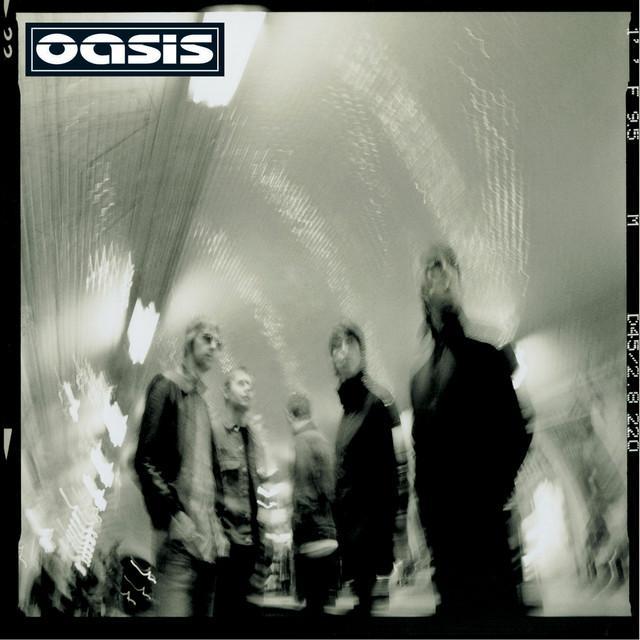
Heathen Chemistry is the fifth studio album by Oasis, released in 2002. It marked an important turning point in the band's career, combining a return to their signature guitar-driven Britpop sound with a new collaborative spirit inside the band. After the more experimental Standing on the Shoulder of Giants, Oasis deliberately stripped things back, focusing on straightforward rock songs, memorable melodies, and the anthemic style that had made them one of Britain's biggest bands.
Musically, the album blends Britpop, alternative rock, hard rock, and acoustic ballads. It features some of the band's best-known later songs, including "The Hindu Times," "Stop Crying Your Heart Out," "Little by Little," and "Songbird." "Stop Crying Your Heart Out" became one of Oasis' most enduring ballads, while "Songbird" was especially significant as the first Oasis single written by Liam Gallagher, signaling that the band was no longer relying exclusively on Noel Gallagher as its songwriter. Gem Archer and Andy Bell also contributed songs, making Heathen Chemistry the first Oasis album to truly feel like a collaborative effort.
Featured Album Video

Oasis - Heathen Chemistry
Read the full album story
Lyrically, the album explores themes of hope, perseverance, love, and self-reflection. While Noel Gallagher continued to write the majority of the material, the different songwriting voices added fresh perspectives and helped give the album a broader musical identity. The production is intentionally cleaner and less extravagant than Be Here Now, allowing the songs and performances to take center stage.
### Behind the Music
One of the most memorable stories surrounding Heathen Chemistry happened during the recording sessions. By late 2001, Noel Gallagher publicly admitted he was "livid" because the album had essentially been finished for months—except for Liam's vocals. According to Noel, all the backing tracks were completed, but Liam repeatedly failed to show up to record, spending more time drinking than working. Noel famously joked:
> "All the backing tracks are done and it's a fantastic album of instrumentals."
The brothers' relationship was as volatile as ever, and for a while it genuinely looked as though the album might never be completed. Fortunately, Liam eventually recorded his vocals, and the project moved forward.
Another interesting detail is the origin of the album's title. Noel Gallagher didn't invent the phrase "Heathen Chemistry"—he found it printed on a T-shirt he bought in Ibiza that read **"The Society of Heathen Chemists."** He liked the phrase so much that he adopted it as the album title. Even more surprisingly, the lead single "The Hindu Times" also got its name from words Noel saw on another T-shirt during a magazine photo shoot. At the time, the song didn't even have lyrics—it was simply an instrumental with a temporary title that eventually stuck.
The album's release was also overshadowed by one of the biggest music leaks of its time. Nearly three months before Heathen Chemistry officially hit stores, all eleven songs appeared online. When Oasis performed in Las Vegas shortly afterward, the band was stunned to hear fans singing along to songs that technically hadn't been released yet. Interestingly, the commercially released album contained slight changes to tracks such as "Little by Little" and "Better Man," meaning even those who downloaded the leak didn't hear the final versions.
The cover photograph has its own story as well. Rather than staging an elaborate photo shoot, photographer Andrew Macpherson spent a week following the band around Paris. The iconic cover captures a completely candid moment as the members wait for a train at the Gare de Lyon Métro station. The relaxed image perfectly reflected Oasis during this period—a band trying to leave behind the chaos of the late 1990s and rediscover the simplicity that had made them famous.
Although Heathen Chemistry received mixed reviews upon release, many critics viewed it as a return to form after the band's previous albums. Today, it is appreciated as an important transitional record that re-established Oasis' identity while opening the door for greater creative contributions from every member of the band. It remains one of the defining albums of Oasis' later career and features several songs that continue to be staples of their live legacy.
More Alternative Rock Albums
 Queens of the Stone Age - ...Like Clockwork
 The War on Drugs - Lost in the Dream
 The Cranberries - In the End
 Primal Scream - Chaosmosis
 Stone Temple Pilots - No. 4
 Pink Turns Blue - Perfect Sex
 Echo & The Bunnymen - The Fountain
 The Byrds - Sweetheart of the Rodeo
 Idles - Joy as an Act of Resistance
 Phil Collins - No Jacket Required
 Cockney Rebel - The Psychomodo
 Real Estate - Days

Join the Conversation
Share your thoughts about this music story.
No comments yet. Be the first to comment.