 By Admin
·
June 01, 2026
By Admin
·
June 01, 2026
"David Bowie" by David Bowie
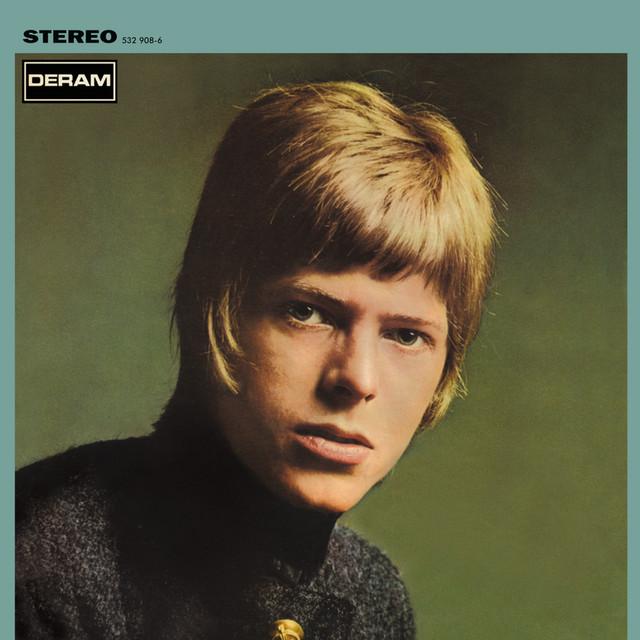
David Bowie is the debut studio album by David Bowie, released in 1967. Although it is far removed from the groundbreaking glam rock and experimental work that would later make Bowie a global icon, the album offers an interesting early glimpse into his creativity, theatrical personality, and willingness to explore unusual musical ideas.
Musically, the album is heavily influenced by British music hall traditions, baroque pop, psychedelic pop, and theatrical storytelling. Unlike the darker and more innovative sound Bowie would develop in the 1970s, this debut has a light, whimsical, and eccentric atmosphere filled with orchestral arrangements, character-driven lyrics, and playful melodies. The songs often resemble short theatrical sketches rather than traditional rock compositions.
Featured Album Video

David Bowie - David Bowie (1967 album)
Read the full album story
Tracks such as “Love You till Tuesday” and “Rubber Band” highlight the album’s quirky and highly British style, combining humor, storytelling, and orchestral instrumentation. Bowie experimented with different vocal styles and narrative techniques throughout the record, already showing signs of the dramatic artistic identity that would later define his career.
Lyrically, the album focuses on unusual characters, surreal situations, satire, and observations about society. Even at this early stage, Bowie demonstrated an interest in performance, identity, and storytelling, themes that would continue to evolve throughout his later work. However, the songwriting here is generally more playful and theatrical compared to the emotional and conceptual depth of his later masterpieces.
At the time of its release, David Bowie received little commercial success and was largely overlooked by the public. In retrospect, however, the album has become historically important because it documents the very beginning of Bowie’s artistic journey before he transformed into one of the most innovative musicians in rock history.
While many fans consider the album stylistically inconsistent compared to Bowie’s later classic works, it still reveals his early ambition and fascination with reinvention. Listening to the album today offers insight into how Bowie gradually developed the artistic vision, theatrical sensibility, and experimental spirit that would eventually lead to landmark albums such as The Rise and Fall of Ziggy Stardust and the Spiders from Mars, Heroes, and Low.
Today, David Bowie is appreciated more as an intriguing historical artifact than as a defining masterpiece, but it remains an important chapter in the evolution of one of music’s most influential and transformative artists.
More Baroque Pop Albums
 Grandaddy - Last Place
 Renaissance - Time-Line
 Supertramp - Brother Where You Bound
 The Raconteurs - Broken Boy Soldiers
 Madonna - Like a Virgin
 Martin Phillipps & The Chills - Sunburnt
 Lady Gaga - Chromatica
 The Carpenters - Close to You
 Simply Red - Songs of Love
 Toto - Toto IV
 Carole King - Speeding Time
 George Michael - Older (George Michael album)

Join the Conversation
Share your thoughts about this music story.
No comments yet. Be the first to comment.