 By Admin
·
May 24, 2026
By Admin
·
May 24, 2026
Bob Dylan
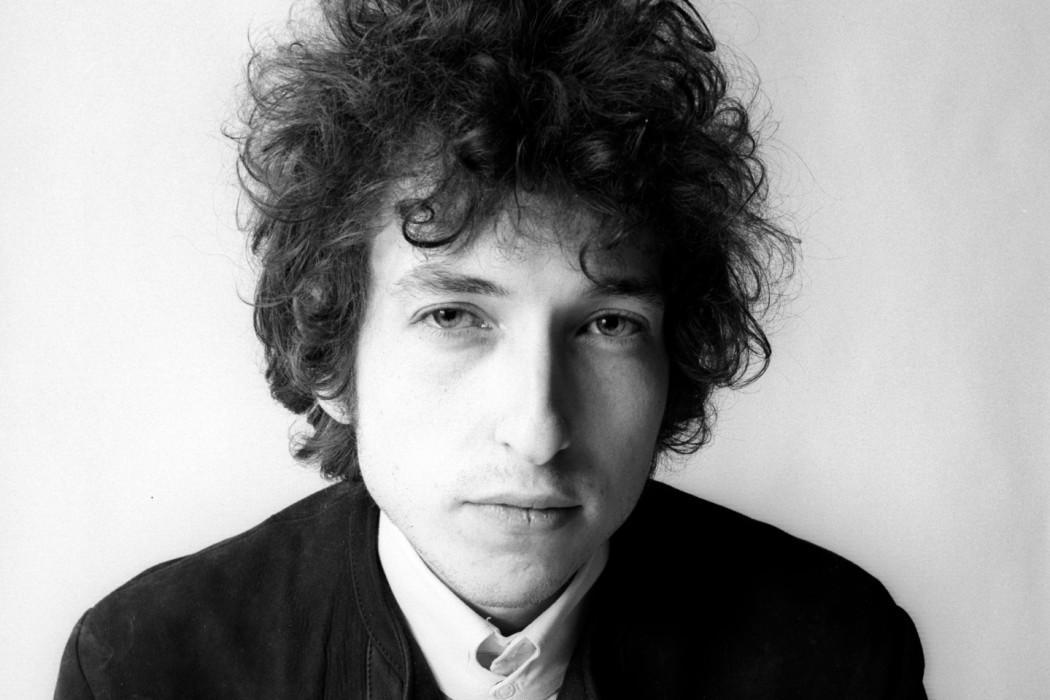
Bob Dylan is one of the most influential and important songwriters in modern music history. What makes Dylan so extraordinary to me is not only the quality of his music, but the way he completely changed the possibilities of songwriting itself. Before Dylan, popular music was often focused mainly on entertainment and simple themes, but he brought poetry, political commentary, personal reflection, and literary depth into rock and folk music in a revolutionary way.
Emerging in the early 1960s during the American folk revival, Bob Dylan quickly became known for songs that captured the social and political atmosphere of the time. Tracks like “Blowin’ in the Wind” and “The Times They Are a-Changin’” became anthems for social change and helped establish Dylan as a voice of an entire generation. What I admire is that even while becoming a cultural symbol, Dylan constantly resisted being limited by expectations.
Featured Artist Video
Bob Dylan
Open in Musicians Gallery
One of the most fascinating things about Dylan is his willingness to evolve artistically. When he famously transitioned from acoustic folk to electric rock in the mid-1960s, many fans reacted negatively at first, but albums like Highway 61 Revisited and Blonde on Blonde eventually became some of the most celebrated records in rock history. Songs such as “Like a Rolling Stone” completely transformed rock music by combining poetic lyrics, emotional intensity, and innovative musical arrangements.
Lyrically, Dylan’s work is unmatched in many ways. His songs can be political, surreal, philosophical, romantic, mysterious, and deeply personal all at once. Sometimes his lyrics feel direct and emotional, while other times they feel abstract and dreamlike, encouraging listeners to interpret the meaning for themselves. That unpredictability is one reason his music continues to inspire discussion decades later.
Another thing I deeply respect about Bob Dylan is his authenticity. Throughout his career, he consistently followed his own artistic instincts rather than trying to satisfy commercial trends or public expectations. Whether exploring folk, rock, country, blues, gospel, or Americana, Dylan always sounded like himself. His rough and distinctive voice also became an essential part of his identity, proving that emotional honesty can be more powerful than technical perfection.
Beyond music, Dylan’s cultural influence is enormous. He inspired generations of songwriters and musicians across rock, folk, alternative music, and even literature. His impact was so significant that he eventually received the Nobel Prize in Literature, recognizing the poetic power of his songwriting and his contribution to modern culture.
For me, Bob Dylan represents the idea that music can be intelligent, emotional, rebellious, and timeless all at the same time. His catalog is filled with songs that continue to feel relevant and meaningful decades after they were written, which is one reason he remains one of the greatest artists of all time.
– Itai Tivoni
More Folk Rock Albums
 Love - Forever Changes
 Steve Miller - Number 5
 Red House Painters - Red House Painters (Bridge)
 The Waterboys - This Is the Sea
 The Lemonheads - Come on Feel the Lemonheads
 Jethro Tull - This Was
 Jim Croce - Life and Times
 David Byrne - Look into the Eyeball
 Robert Plant and Band of Joy - Band of Joy
 Grateful Dead - Ladies and Gentlemen...
 Okkervil River - Black Sheep Boy
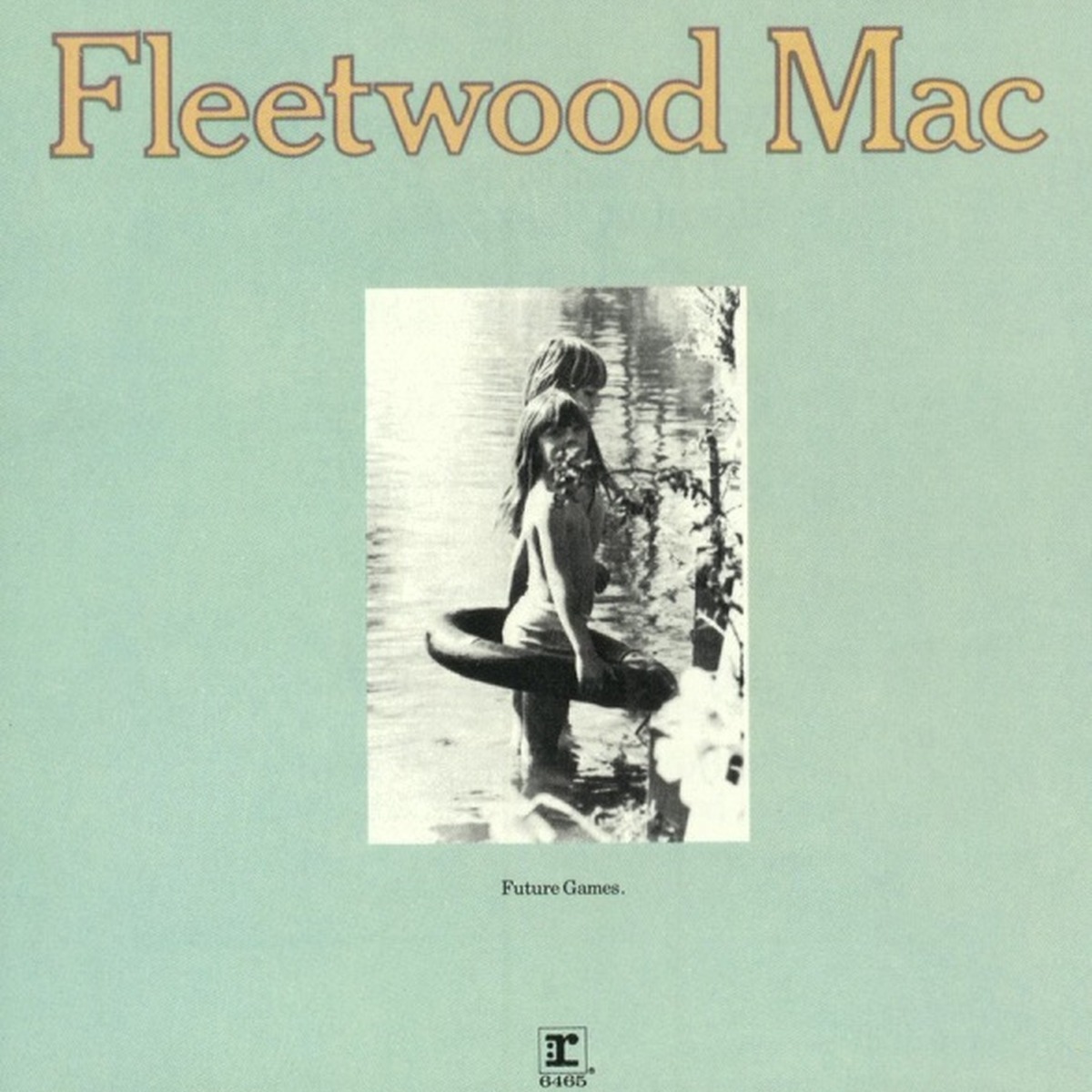 Fleetwood Mac - Future Games

Join the Conversation
Share your thoughts about this music story.
No comments yet. Be the first to comment.