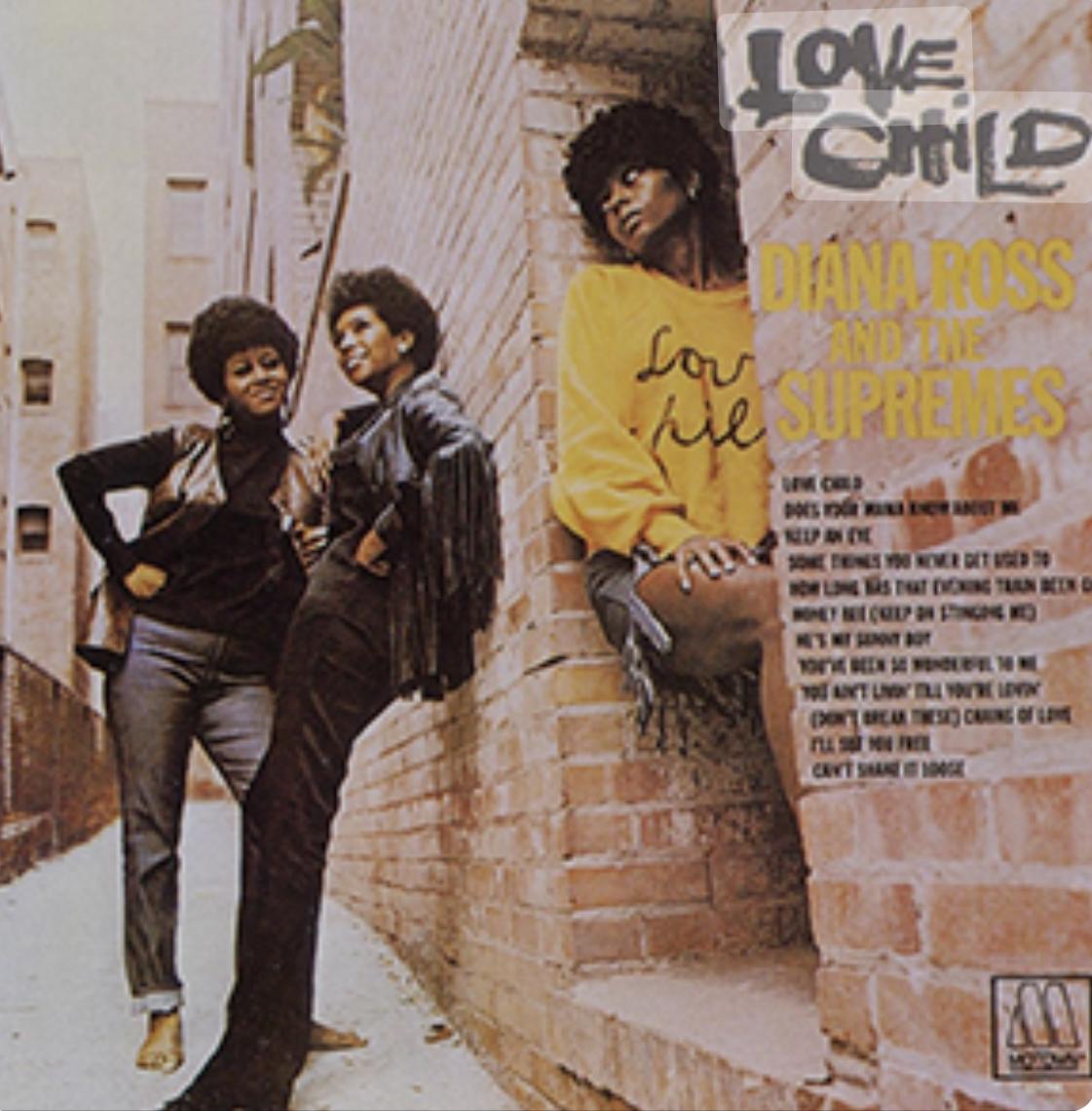
"Love Child" by The Supremes, released in November 13, 1968
"Love Child" is the fifteenth studio album by The Supremes, released in 1968. Here are some thoughts on the album:
Title Track Success: The album's title track, "Love Child," was a massive success for The Supremes. The single reached number one on the Billboard Hot 100, showcasing the group's continued ability to deliver chart-topping hits.
Socially Relevant Themes: The title track, in particular, addressed socially relevant themes of the time, exploring the challenges faced by a woman born out of wedlock. The Supremes, known for their polished and glamorous image, used their platform to touch on deeper societal issues.
Lineup Changes: "Love Child" marked a period of lineup changes for The Supremes. Florence Ballard had been replaced by Cindy Birdsong, and this album was released during the era of the Diana Ross & The Supremes lineup.
Diverse Musical Styles: The album features a mix of musical styles, ranging from the pop-soul sound of the title track to covers of classic songs like "Blowin' in the Wind." This diversity showcased The Supremes' versatility as interpreters of different genres.
Quality Production: As with many of The Supremes' albums, "Love Child" benefited from high-quality production. The arrangements and orchestration were carefully crafted, contributing to the overall polished sound for which the group was known.
Commercial Success: In addition to the success of the title track, the album itself was commercially successful, reaching the top 10 on the Billboard 200 chart. This reinforced The Supremes' status as one of Motown's most successful and enduring acts.
Transition Era: The late 1960s marked a transition for The Supremes as they adapted to lineup changes and shifting musical trends. "Love Child" captures the group navigating this period of change while maintaining their appeal to a broad audience.
Legacy: "Love Child" remains an important album in The Supremes' discography, representing a pivotal moment in their career. It reflects both their ability to tackle relevant social issues and their continued musical evolution.