Uriah Heep
Overview
Uriah Heep is a renowned rock band that emerged from the vibrant music scene of the late 1960s. They quickly rose to prominence with their unique blend of progressive rock, hard rock, and heavy metal, creating a distinct sound that set them apart from their contemporaries. With their intricate compositions, elaborate live performances, and the theatrical presence of their frontmen, Uriah Heep carved a niche for themselves in the rock world. Over the years, they have maintained a dedicated fan base and have been hailed as pioneers in the genre, influencing countless other bands and musicians. The band's versatility and ability to evolve with the changing musical landscape have ensured their longevity in the industry, allowing them to continue recording and performing for decades. Uriah Heep's legacy is marked by a prolific output of studio albums, a significant number of live recordings, and a host of compilations that celebrate their enduring appeal. Despite various lineup changes throughout their history, Uriah Heep has consistently delivered compelling music that resonates with audiences around the world. Their commitment to the craft and their passion for innovation have solidified their place as one of the defining acts of their era, leaving an indelible mark on rock music.
Formation and Early Years
The formation of Uriah Heep took place in London, 1969, originally under the name 'Spice'. The founding members included guitarist Mick Box and singer David Byron, who had previously worked together in local bands. With the arrival of keyboardist Ken Hensley, who brought a new dimension to their sound, the band decided to redefine their musical direction. Drawing inspiration from a character in Charles Dickens' novel 'David Copperfield', they adopted the name Uriah Heep, a decision that coincided with their signing to Vertigo Records and the release of their debut album '...Very 'Eavy...Very 'Umble' in 1970. This period defined their collaborative synergy, characterized by an extensive rehearsal routine and the creation of their signature, harmonically rich sound. The band endured the challenges typical of newly formed groups, including financial struggles and evolving personal dynamics. Their determination and creative output during these formative years set the stage for the success that was to follow, establishing them as formidable contenders in the rapidly evolving rock scene. Early critical reception was mixed, with some detractors questioning their blend of styles, but they quickly won over fans thanks to their electrifying live shows and engaging stage presence.
Career Highlights
Throughout their career, Uriah Heep has achieved a number of milestones that have cemented their status in rock history. One of their most significant accomplishments came with the release of their third album, 'Look at Yourself', which featured the classic hit 'July Morning'. This track, with its anthemic appeal, became a staple of their live performances and an enduring favorite among fans. The commercial success of subsequent albums such as 'Demons and Wizards' and 'The Magician's Birthday' in the early 1970s further propelled them to international stardom. Uriah Heep's momentum was fueled by extensive tours, particularly in Europe and North America, where their high-energy performances and elaborate stage setups captivated audiences. Despite the challenges posed by frequent lineup changes and the shifting tastes of the music industry in subsequent decades, the band has continued to record and tour, celebrating their 50th anniversary with a world tour in 2019. Among the highlights of Uriah Heep's career are their collaborations with acclaimed producers, and their music has been featured in numerous films and commercials over the years. From their induction into various halls of fame to their ability to remain relevant in the ever-changing music landscape, Uriah Heep's career is a testament to their unwavering dedication and passion.
Musical Style
Uriah Heep's musical style is a unique amalgamation of several rock genres, most notably progressive rock, hard rock, and heavy metal, with splashes of psychedelic and acoustic influences. Their sound is characterized by dynamic compositions, intricate arrangements, and the harmonized vocals that became their signature. The band's music often features complex structures with extended instrumental sections, showcasing the virtuosic talents of its members. Mick Box's guitar work and Ken Hensley's keyboard melodies are central to their sound, creating a rich tapestry of harmonies and rhythms that set them apart from their peers. Lyric-wise, Uriah Heep's songs explore a variety of themes, including fantasy, adventure, and introspection, drawing the listener into vivid worlds and narratives. Their ability to blend melodic hooks with progressive elements resonated with a diverse audience and left a lasting influence on the genre. Over the years, Uriah Heep's musical style has evolved to incorporate new influences, reflecting changes in rock music while maintaining their distinctive core. This adaptability has allowed them to innovate and stay relevant, attracting new generations of listeners while retaining their original fan base. The band's open approach to musical experimentation has earned them respect and admiration in the rock community.
Most Important Albums
Among Uriah Heep's discography, several albums stand out as pivotal to their success and enduring legacy. 'Demons and Wizards' (1972) is often cited as their most influential release, featuring iconic tracks such as 'Easy Livin'' and 'The Wizard'. This album marked a period of creative peak for the band and is frequently referenced as a quintessential example of early 1970s rock. Another notable album, 'The Magician's Birthday' (also released in 1972), continued their exploration of conceptual themes and further solidified their status in the rock pantheon. The live album 'Uriah Heep Live' (1973) captured the energy and power of their stage presence, becoming a fan favorite and demonstrating their prowess as live performers. During this period, albums like 'Sweet Freedom' (1973) and 'Return to Fantasy' (1975) continued to build on their success, showcasing the band's versatility and musicianship. Among their later works, 'Abominog' (1982) is often praised for its polished sound and successful modern rock influences, marking a significant comeback for the band. Each of these albums has played a pivotal role in shaping Uriah Heep's identity and legacy, maintaining their relevance and appeal even as musical trends have shifted over the decades.
Legacy and Influence
Uriah Heep's legacy in rock music is vast and influential, extending far beyond their original fan base. They are often credited as pioneers of the early rock scene, with their blend of progressive and hard rock serving as a precursor to the development of modern metal and rock subgenres. This innovation has been acknowledged by a wide array of musicians who cite Uriah Heep as a significant influence in shaping their artistic development. The band's ability to create powerful, emotive music has resonated with audiences worldwide, establishing a loyal fan base that has transcended generations. Uriah Heep's influence can be seen in the works of bands ranging from Iron Maiden to Dream Theater, who have publicly expressed admiration for the musical paths Uriah Heep blazed. Their emphasis on melodic complexity and lyrical depth has become a model for artists aiming to blend storytelling with musical innovation. Throughout their career, Uriah Heep has received numerous accolades, and their music continues to inspire both seasoned musicians and newcomers. The band's enduring presence on the touring circuit, as well as the regular reissues of their classic albums, underscores their lasting appeal. Beyond just their music, Uriah Heep's story is one of perseverance, adaptation, and the unbreakable bond between band and fans, testament to their significant place in the annals of rock history.
Albums by Uriah Heep

Chaos & Colour
January 27, 2023
Hard rock, heavy metal

Living the Dream
September 14, 2018
Hard rock, progressive rock, heavy metal

Outsider (Uriah Heep album)
June 06, 2014
Hard rock, progressive rock, heavy metal

Into the Wild (Uriah Heep album)
April 12, 2011
Hard rock, progressive rock, heavy metal
🛍 Shop Music


Wake the Sleeper
June 02, 2008
Hard rock

Sonic Origami
September 27, 1998
Hard rock, progressive rock, heavy metal

Sea of Light (album)
April 02, 1995
Hard rock, progressive rock, heavy metal

Different World
February 19, 1991
Pop metal

Raging Silence
April 10, 1989
Hard rock

Equator
July 18, 1985
Pop metal

Head First (Uriah Heep album)
May 03, 1983
Heavy metal, AOR

Abominog
March 11, 1982
Hard rock, heavy metal

Conquest
February 13, 1980
Hard rock, AOR

Fallen Angel (Uriah Heep album)
September 09, 1978
Hard rock, AOR

Innocent Victim
November 13, 1977
Hard rock, arena rock

Firefly
February 14, 1977
Hard rock

High and Mighty
May 18, 1976
Hard rock

Return to Fantasy
June 13, 1975
Hard rock, progressive rock, heavy metal

Wonderworld
June 29, 1974
Hard rock, progressive rock, heavy metal
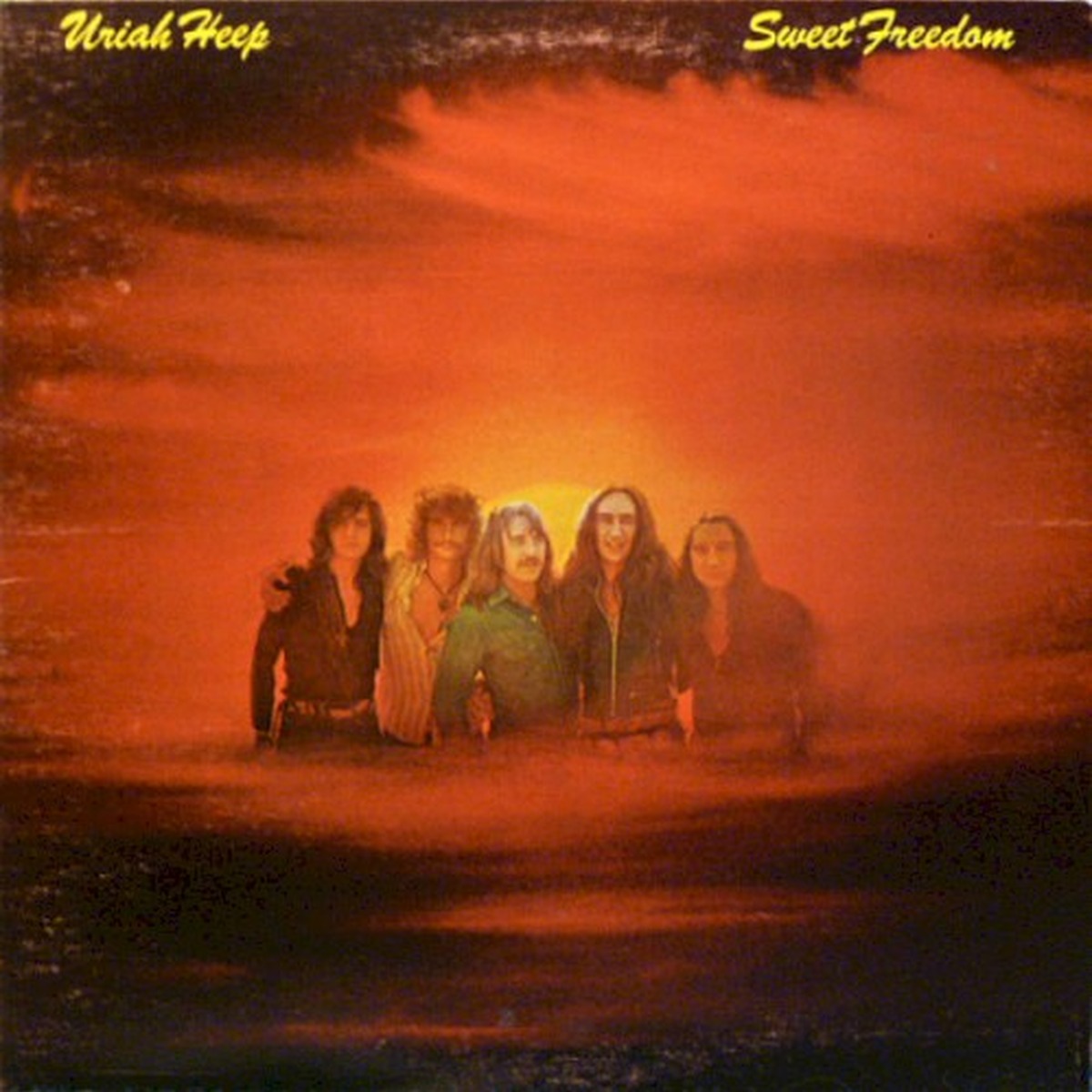
Sweet Freedom
September 11, 1973
Hard rock, progressive rock, heavy metal

Uriah Heep Live
May 11, 1973
Hard rock, progressive rock, heavy metal

The Magician's Birthday
November 19, 1972
Hard rock, progressive rock, heavy metal

Demons and Wizards (Uriah Heep album)
May 19, 1972
Hard rock, progressive rock, heavy metal

Look at Yourself
September 20, 1971
Hard rock, progressive rock, heavy metal

Salisbury
January 19, 1971
Hard rock, progressive rock, heavy metal

...Very 'Eavy ...Very 'Umble
June 19, 1970
Hard rock, progressive rock, heavy metal
Musicians / Members connected to Uriah Heep




FAQ about Uriah Heep
What genre is Uriah Heep?
Uriah Heep is commonly associated with Progressive rock, Hard rock, Heavy metal.
Where is Uriah Heep from?
Uriah Heep is from London, England, United Kingdom.
How many albums by Uriah Heep are listed on musicOnOff?
musicOnOff currently lists 26 albums by Uriah Heep.
