The Rolling Stones
Overview
The Rolling Stones are one of the most enduring and influential rock bands in music history. Formed in London, England, in 1962, the band originally consisted of Mick Jagger, Keith Richards, Brian Jones, Bill Wyman, and Charlie Watts. They became known for their gritty and swaggering portrayal of blues-infused rock music, and their rebellious image made them counterculture icons of the 1960s. After over six decades in the music industry, they continue to tour and record, maintaining their status as one of the greatest rock bands of all time.
The Rolling Stones have released numerous albums and have sold over 240 million records worldwide. They are often referred to as the 'World's Greatest Rock and Roll Band,' and have earned a significant following globally. Known for electrifying live performances, they have attracted millions of fans across different generations. The band has undergone several lineup changes over the years, with Mick Jagger and Keith Richards as the consistent core duo steering its success.
Their music is characterized by a diverse range of influences, including blues, rock and roll, rhythm and blues, soul, and even elements of country and reggae. Beyond their musical contributions, The Rolling Stones have also made a mark with their theatrical presentation and fashionable attire. The tongue and lips logo, designed by John Pasche, has become synonymous with their image. In 1989, they were inducted into the Rock and Roll Hall of Fame, cementing their legacy in the rock genre.
Formation and Early Years
The Rolling Stones' formation can be traced back to the early 1960s in London, where childhood friends Mick Jagger and Keith Richards reconnected by chance at a railway station. Both were pupils at Dartford in Kent and shared a mutual passion for American rhythm and blues music. This interest led them to collaborate musically, with Jagger providing vocals and Richards on guitar. The duo eventually joined forces with Brian Jones, Ian Stewart, Charlie Watts, and Bill Wyman to form a band.
The group's first performance as 'The Rollin' Stones' was on July 12, 1962, at the Marquee Club in London. They quickly gained attention within the local blues community, influenced heavily by American blues musicians like Muddy Waters, Howlin' Wolf, and Chuck Berry. Their early sets were a mix of blues standards and rock and roll covers, and their raw, energetic style began to attract a following.
Andrew Loog Oldham, their first manager, played a crucial role in shaping the band's early image. Under his guidance, the band began crafting their unique sound, moving away from covers to writing their original material. Oldham encouraged Jagger and Richards to start composing their music, resulting in the Jagger-Richards songwriting partnership that would define the band's catalog. Their single 'Come On,' a cover of a Chuck Berry song, was among their first releases, propelling them into the limelight.
Career Highlights
The Rolling Stones' career is marked by a series of pivotal successes that secured their place in music history. Their first international hit came in 1965 with the release of '(I Can't Get No) Satisfaction,' a song that became an anthem for rock music and youth rebellion. The track was characterized by its distinctive guitar riff by Keith Richards and bold, assertive lyrics by Mick Jagger.
Throughout the 1960s and 1970s, the band released a string of successful albums, including 'Aftermath,' 'Beggars Banquet,' 'Let It Bleed,' and 'Sticky Fingers.' These records established them as major figures in the rock world, with songs like 'Sympathy for the Devil,' 'Gimme Shelter,' and 'Brown Sugar' becoming rock classics. Each album saw the band experimenting with different musical styles and themes, broadening their artistic scope.
In 1969, The Rolling Stones staged their first major concert tour of America, coinciding with the release of 'Let It Bleed.' This tour solidified their reputation as a powerful live act, combining Jagger's dynamic stage presence with Richards' innovative guitar work. However, their career also faced challenges, such as the tragic Altamont Free Concert in 1969, marked by violence and the death of a concertgoer, casting a shadow over the era of free love and peace.
Despite the challenges, the band continued to evolve and remain relevant. The 1980s saw them adapting to changing musical tastes, while the 1990s and 2000s demonstrated their lasting appeal, with continued touring and releasing new music. Notably, their 2002-03 Licks Tour and subsequent A Bigger Bang Tour from 2005 to 2007 were some of the highest-grossing tours in history. Their ability to adapt and thrive has solidified their legendary status.
Musical Style
The Rolling Stones' musical style is a fusion of various influences, which they have skillfully integrated into their signature sound. At their core, they are a rock and roll band heavily influenced by blues, rhythm and blues, and the music of artists like Muddy Waters and Chuck Berry. This blues influence is evident in their early works and continued to shape their sound as their career progressed.
Over the years, the Stones have shown an extraordinary ability to evolve and incorporate different musical genres into their sound. In the late 1960s, they embraced psychedelic rock with the release of 'Their Satanic Majesties Request,' reflecting the era's experimental trends. Around the same time, they began exploring country and folk music elements on albums such as 'Beggars Banquet' and 'Let It Bleed,' demonstrated by tracks like 'Dead Flowers' and 'Country Honk.'
The band's work in the 1970s and beyond displayed a keen sense of adaptability, embracing funk, disco, and reggae elements. For instance, songs like 'Miss You' showcase their ability to integrate disco influences while retaining their rock edge. The Stones' music is characterized by compelling guitar riffs, charismatic vocals, and a strong, consistent rhythm section, creating a sound that is both timeless and continuously innovative.
The Jagger-Richards songwriting partnership has been central to their musical identity, blending inventive lyrics with rich melodies. Mick Jagger's distinctive voice and charismatic delivery, coupled with Keith Richards' knack for crafting memorable guitar riffs, have been integral in creating a sound that captures the essence of rock and roll. Their willingness to explore and experiment with new sounds has allowed them to remain relevant through the decades.
Most Important Albums
The Rolling Stones have released numerous albums throughout their extensive career, several of which stand out as milestones in their discography. One such album is 'Beggars Banquet' (1968), which marked a return to their blues roots and included the classics 'Sympathy for the Devil' and 'Street Fighting Man.' This album is often regarded as a turning point, showcasing their ability to blend social commentary with musical innovation.
'Let It Bleed' (1969) followed, generating tracks like 'Gimme Shelter' and 'You Can't Always Get What You Want,' both considered among their finest works. This album captured the tumultuous spirit of the late 1960s and solidified their role as commentators of their time while providing timeless music that resonated with audiences globally.
In 1971, 'Sticky Fingers' was released, featuring the iconic cover designed by Andy Warhol. The album is notable for its mix of rock, soul, and country influences and includes hits like 'Brown Sugar' and 'Wild Horses.' It was their first release on their Rolling Stones Records label, beginning a new chapter of creative freedom and exploration for the band.
1972's 'Exile on Main St.' is often hailed as their magnum opus, a double album that compiled a wide range of styles, including blues, rock, country, gospel, and soul. Recorded largely in the south of France, it encapsulates the spirit of the Stones' music: raw, ambitious, and authentic. Its sprawling nature and diversity of sound make it a favorite among fans and critics alike, highlighting their creative peak and enduring legacy.
Legacy and Influence
The Rolling Stones' legacy is immense, and their influence on popular music cannot be overstated. As pioneers of the rock genre, they have inspired countless bands and artists across different musical landscapes. Their introduction of blues music into mainstream rock was groundbreaking and paved the way for future generations to explore this rich musical heritage.
Their image as rebellious, flamboyant rockstars has been emulated by many, setting the template for what a rock band should be. They've been credited with contributing to the 'rock-and-roll lifestyle,' which includes the adoption of the hedonistic image of sex, drugs, and rock and roll. Mick Jagger's dynamic stage presence and Keith Richards' iconic guitar style continue to inspire performers and musicians worldwide.
The band's endurance and ability to evolve with changing musical landscapes have showcased their versatility and commitment to their craft. Over the decades, they have remained relevant by reinventing themselves and their music, continuously drawing in new fans while retaining their long-standing admirers. The Rolling Stones have received numerous awards and accolades throughout their career, further cementing their status as legends in the music industry.
Beyond their musical contributions, the Stones have also made a cultural impact, influencing fashion, language, and societal attitudes through their music and public personas. They have used their platform to comment on social and political issues, driving conversations through their powerful lyrics and performances. The enduring appeal of The Rolling Stones lies in their timeless music and the universal themes they address, ensuring that their legacy continues to reverberate in the world of music and culture.
Albums by The Rolling Stones

Blue & Lonesome
December 02, 2016
Electric blues, Chicago blues, blues rock

A Bigger Bang
September 05, 2005
Hard Rock, Blues rock

Stripped
November 13, 1995
Roots rock, blues rock

Voodoo Lounge
July 11, 1994
Hard rock, blues rock, roots rock

Flashpoint (album)
April 08, 1991
Rock

Dirty Work
March 24, 1986
Blues rock, rock and roll, reggae

Undercover
November 07, 1983
Rock and roll, hard rock, new wave

Still Life (Rolling Stones album)
June 01, 1982
Rock
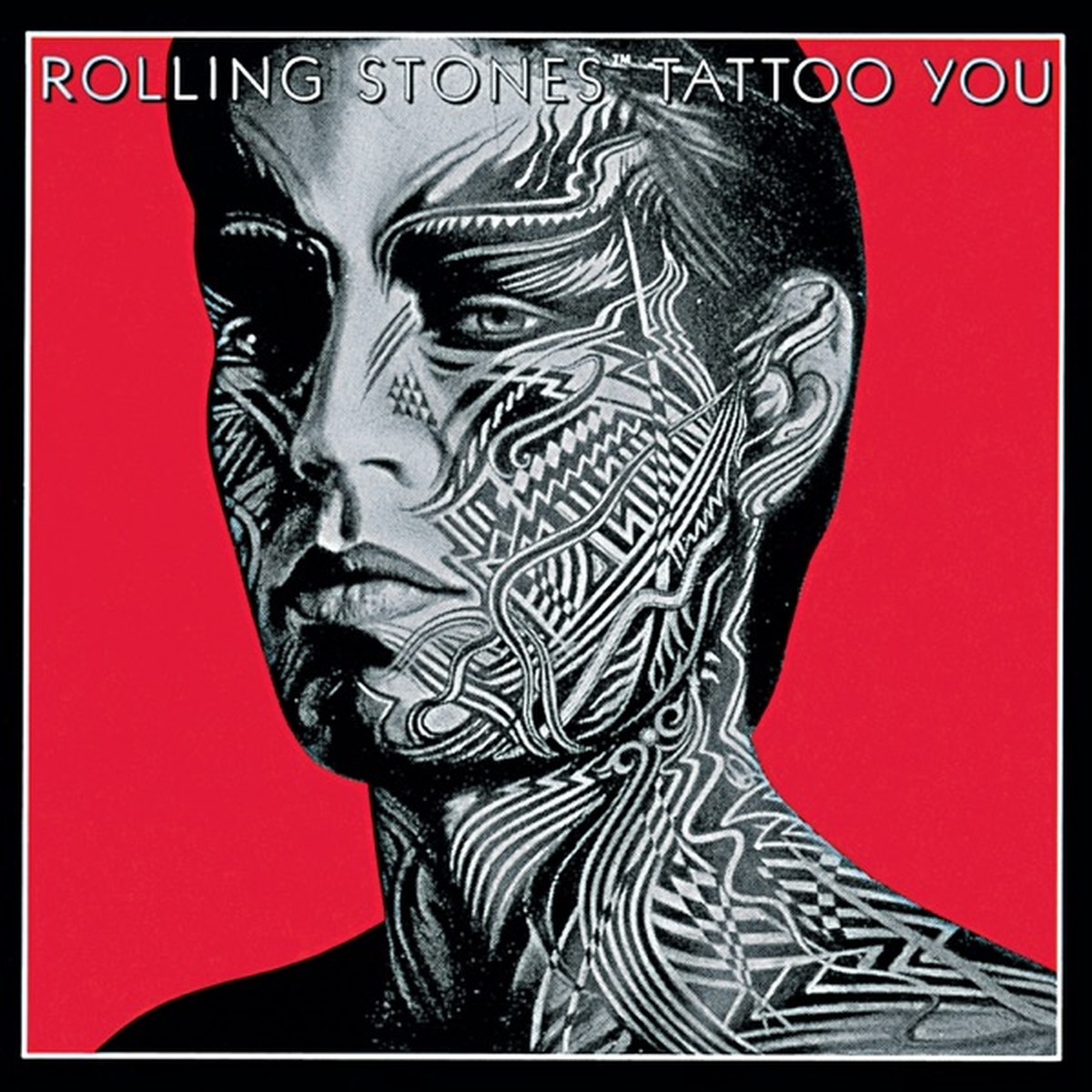
Tattoo You
August 24, 1981
Rock, hard rock, rock and roll

Emotional Rescue
June 23, 1980
Rock

Some Girls
June 09, 1978
Rock

Love You Live
September 23, 1977
Hard rock

Black and Blue
April 23, 1976
Rock, blues rock, disco, funk rock, reggae rock, soul

Metamorphosis (Rolling Stones album)
May 06, 1975
Rock

It's Only Rock 'n Roll
October 18, 1974
Rock and roll, hard rock, blues rock, funk rock, reggae rock

Goats Head Soup
August 31, 1973
Rock, blues, funk

Exile on Main St.
May 12, 1972
Rock and roll, hard rock, country blues

Stone Age
March 06, 1971
Rock
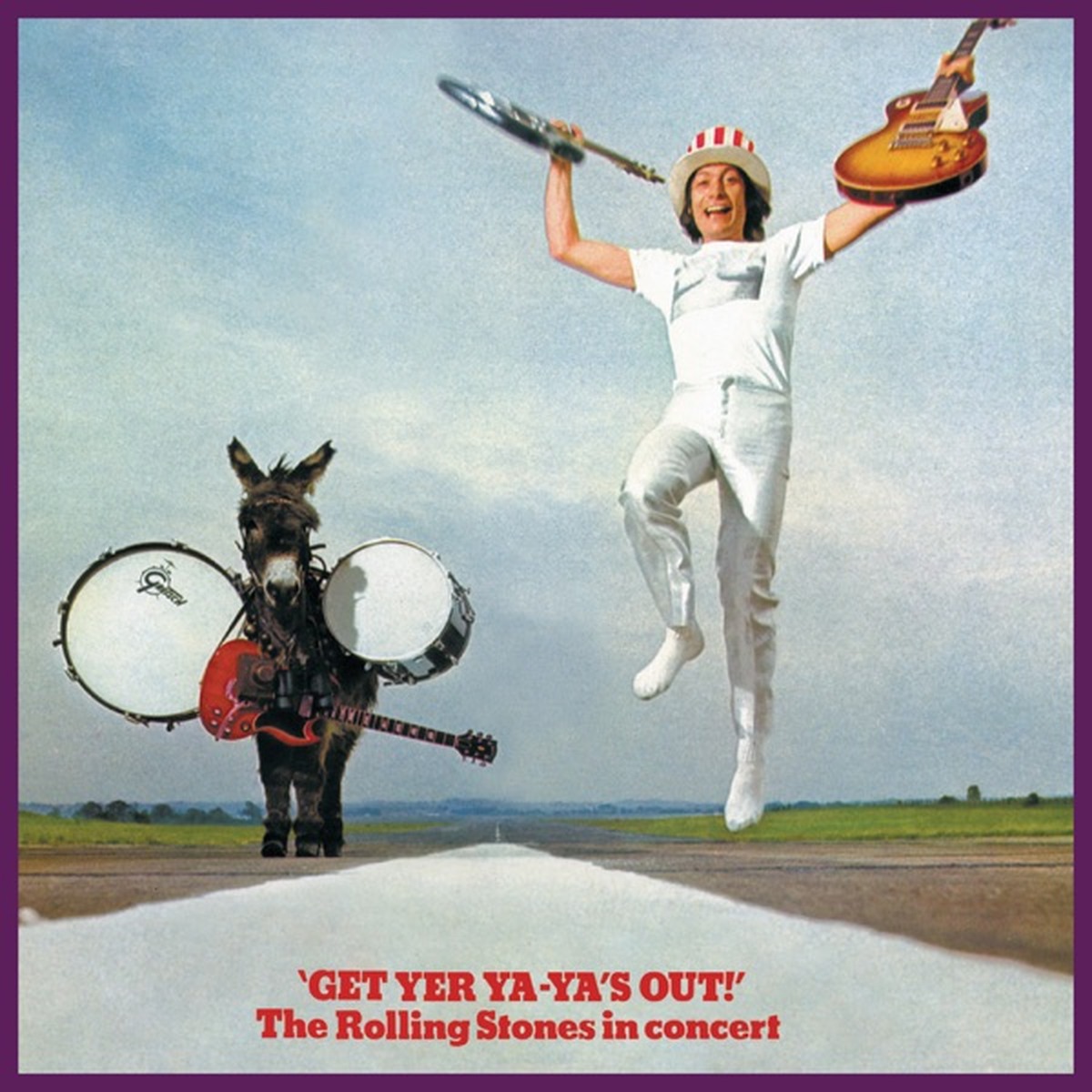
Get Yer Ya-Ya's Out!
September 04, 1970
Hard rock, blues rock

Let It Bleed
November 28, 1969
Hard rock, blues, country blues

Beggars Banquet
December 06, 1968
Roots rock, country blues, hard rock

Their Satanic Majesties Request
December 08, 1967
Psychedelic pop, acid rock, experimental rock, psychedelic rock

Flowers (Rolling Stones album)
June 26, 1967
Rock, baroque pop

Got Live If You Want It!
November 28, 1966
Rock, rhythm and blues, proto-punk

Aftermath (Rolling Stones album)
April 15, 1966
Hard rock, pop rock, blues rock, art rock

December's Children
December 03, 1965
Rock

Out of Our Heads
September 24, 1965
Blues rock, British R&B, blue-eyed soul, rock and roll

The Rolling Stones, Now!
February 13, 1965
Rock and roll, R&B, blues rock

The Rolling Stones No. 2
January 15, 1965
Rock and roll, R&B, blues rock

The Rolling Stones (album)
April 17, 1964
Blues rock, British R&B
Musicians / Members connected to The Rolling Stones


FAQ about The Rolling Stones
What genre is The Rolling Stones?
The Rolling Stones is commonly associated with Rock, Blues, Rhythm and Blues.
Where is The Rolling Stones from?
The Rolling Stones is from London, England, United Kingdom.
How many albums by The Rolling Stones are listed on musicOnOff?
musicOnOff currently lists 30 albums by The Rolling Stones.
