Primal Scream
Overview
Primal Scream is a Scottish rock band formed in the 1980s that transcends traditional genre boundaries, acclaimed for its fusion of rock, dance, and psychedelia. The band gained prominence with its eclectic music style and has been credited with helping to bring alternative rock into the mainstream. Led by charismatic frontman Bobby Gillespie, Primal Scream combines elements of various musical genres to create a unique sound that evolved across decades. Their music often reflects themes of hedonism and rebellion, resonating with a diverse audience and critics alike. Over the years, Primal Scream has become synonymous with musical innovation, renowned for both its recorded work and energetic live performances.
Formation and Early Years
Primal Scream was formed in 1982 in Glasgow, Scotland, by Bobby Gillespie and Jim Beattie. Initially rooted in the indie and jangle pop scenes, the band's early music showcased a more traditional rock and roll sound. Prior to founding Primal Scream, Gillespie played drums for The Jesus and Mary Chain, bringing a raw and energetic aesthetic to his work with Primal Scream. The band's early singles and debut album were part of the 1980s indie music wave, gaining a modest following. However, it was their decision to explore the burgeoning acid house scene that proved pivotal, steering their career in a radically new direction.
Career Highlights
Primal Scream's career is marked by several notable highlights, chief among them the groundbreaking success of their 1991 album 'Screamadelica.' This album fused rock with dance and electronic music, winning the first-ever Mercury Prize. The single 'Loaded' became a zeitgeist anthem, cementing the band's place as influential innovators in the music industry. In the following years, Primal Scream continued to release critically acclaimed albums like 'Give Out But Don't Give Up' and 'Vanishing Point,' each pushing their creative boundaries. Notably, the band supported their albums with dynamic tours, which were enthusiastically received by fans worldwide. Despite changes in the music landscape, Primal Scream has remained relevant by continuously reinventing their sound over decades.
Musical Style
Primal Scream is celebrated for its eclectic musical style that defies genre categorization. Initially starting with jangle pop influences, the band rapidly incorporated elements of psychedelic rock, house, and later, heavy blues and electronica. 'Screamadelica' stands out for its pioneering blend of rock with acid house and dance elements, reflecting the early 1990s club culture. This genre-fluid approach continued with 'Vanishing Point,' which featured dub and reggae influences, while 'XTRMNTR' embraced a harsher, industrial sound. The band's ability to meld diverse musical styles has helped them stay at the forefront of innovation, consistently surprising fans and critics with each new release.
Most Important Albums
Primal Scream's discography features several pivotal albums, starting with 'Screamadelica' in 1991, which is often regarded as a masterpiece in combining rock and dance genres. The album included hit singles such as 'Come Together' and 'Movin' On Up,' which showcased their distinctive sonic approach. 'Give Out But Don't Give Up,' released in 1994, veered towards a more traditional rock sound with influences from American blues. In 2000, 'XTRMNTR' marked a shift to a darker, more politically charged sound, praised for its boldness and exploration of industrial music. Each album demonstrates the band's commitment to evolution, making their discography a diverse and influential collection of works reflecting different phases of their creative journey.
Legacy and Influence
Primal Scream's legacy in music is defined by their innovate fusion of genres and their role in shaping the sound of British rock in the late 20th century. Their influence is particularly notable in the integration of electronic and dance music with rock, a trend that has since become widespread. Bands and artists across the musical spectrum cite Primal Scream as an influence, admiring their willingness to experiment and break musical boundaries. The band's longevity and ability to remain relevant both on record and in live performances have cemented their status as pioneers. Their legacy is also preserved through numerous awards and accolades, recognizing their contributions to music history and their impact on subsequent generations of musicians and fans.
Albums by Primal Scream

Chaosmosis
March 18, 2016
Alternative rock, electronic, alternative dance, neo-psychedelia, house, indie …

Beautiful Future
July 21, 2008
Alternative rock

Riot City Blues
June 05, 2006
Garage rock, blues rock, roots rock

Shoot Speed – More Dirty Hits
March 17, 2004
Alternative rock, electronic, alternative dance, neo-psychedelia, house, indie …

XTRMNTR
January 31, 2000
Electro-rock, shoegazing, alternative dance, electro-industrial, experimental

Give Out But Don't Give Up
March 28, 1994
Rock and roll, blues, pop, country, boogie rock, hard rock
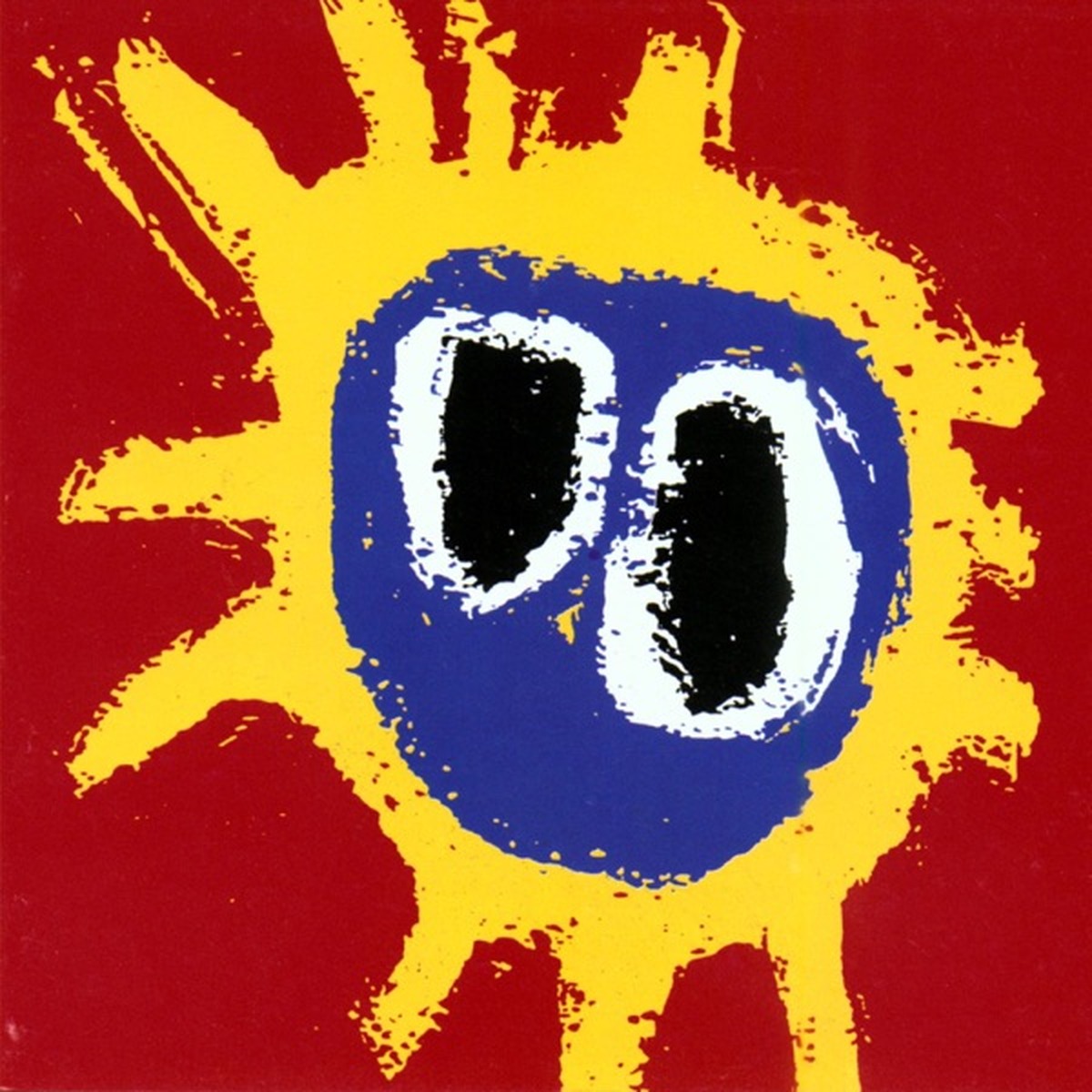
Screamadelica
September 23, 1991
Alternative rock, alternative dance, neo-psychedelia, Madchester, dance-rock, a…

Sonic Flower Groove
October 05, 1987
Indie pop, folk rock, jangle pop, neo-psychedelia
Musicians / Members connected to Primal Scream

FAQ about Primal Scream
What genre is Primal Scream?
Primal Scream is commonly associated with Alternative rock, Indie rock, Psychedelic rock, Electronica.
Where is Primal Scream from?
Primal Scream is from Glasgow, Scotland, United Kingdom.
How many albums by Primal Scream are listed on musicOnOff?
musicOnOff currently lists 8 albums by Primal Scream.