Oasis
Overview
Oasis, the iconic rock band from Manchester, England, quickly rose to prominence in the mid-1990s as one of the key figures of the Britpop movement. Fronted by singer Liam Gallagher and driven by the songwriting prowess of his brother Noel Gallagher, Oasis became known for their swagger, anthemic singles, and a turbulent internal dynamic that frequently splashed across media headlines. With record-breaking tours and chart-topping hits, Oasis captured the spirit of a changing music era, drawing comparisons to legendary bands like The Beatles and earning a dedicated global fan base.
At the heart of Oasis was a blend of catchy melodies, introspective lyrics, and a rebellious attitude, characteristics that appealed to a generation of young listeners. Their sound, heavily influenced by British rock traditions, reinvigorated mainstream interest in the genre. Oasis' tumultuous relationship with rival band Blur often fueled the competitive edge of Britpop, adding to the cultural and musical significance of the era.
Despite the band's eventual disbandment in 2009, Oasis left behind a legacy of numerous gold and platinum records, as well as memorable performances. Their story is one of meteoric rise and dramatic fall, marked by brotherly feuds, creative tensions, and a commitment to the music that changed the face of 1990s rock.
The allure of Oasis extends beyond their music, rooted in their ability to encapsulate the hope, frustration, and rebellious energy of a generation. As both a cultural and musical phenomenon, the band remains a benchmark for aspiring rock musicians and a cherished memory for fans worldwide.
Formation and Early Years
Oasis originally formed in 1991, emerging from the ashes of a little-known Manchester band called The Rain. The transition came with the enlistment of guitarist and chief songwriter Noel Gallagher, who transformed the group's sound and direction. The Gallagher brothers, alongside their bandmates Paul 'Bonehead' Arthurs on guitar, Paul McGuigan on bass, and Tony McCarroll on drums, began to craft a raw, energetic presence in the local music scene.
Drawing inspiration from influential bands such as The Beatles, The Rolling Stones, and The Smiths, Oasis' early music expressed a blend of rock bravado and melodic sensitivity. Their breakthrough came after impressing music executive Alan McGee during a live performance at Glasgow's King Tut's Wah Wah Hut in 1993. McGee's interest led to a record deal with Creation Records, which set the stage for Oasis' ascent into the music industry's upper echelons.
Their debut album, 'Definitely Maybe,' released in 1994, quickly gained critical and commercial acclaim. Songs like "Supersonic," "Live Forever," and "Cigarettes & Alcohol" resonated with listeners, blending sharp lyrics with powerful rock anthems. The album's success was a beacon for the burgeoning Britpop era, characterized by a revival of British rock and its cultural zeitgeist.
The band's early years were marked by relentless touring and a series of high-profile performances that solidified their reputation as formidable live artists. The Gallagher brothers' dynamic, both on and off stage, captivated audiences and media alike, fueling a narrative that would follow them throughout their careers.
Career Highlights
Oasis reached the pinnacle of their career with the release of their second album, '(What's the Story) Morning Glory?' in 1995. This follow-up effort superseded the success of their debut, earning Oasis worldwide acclaim. With hit singles such as "Wonderwall," "Don't Look Back in Anger," and "Champagne Supernova," the album topped charts across the globe and solidified Oasis as key players in the Britpop movement.
The period also saw Oasis headline iconic venues, including two legendary sold-out shows at Knebworth in 1996, playing to a total of 250,000 fans. These concerts became emblematic of their sweeping popularity and the era's vibrant music culture. The band's raucous live performances, coupled with their mastery in the studio, highlighted their range and influence.
As their fame grew, so did internal and external pressures. High-profile feuds, both within the band and with rivals such as Blur, were widely reported in the media, contributing to an image of the Gallagher brothers as both talented and tempestuous. Despite these tensions, Oasis continued to produce successful albums, with releases like 'Be Here Now' in 1997 further reinforcing their star status.
However, the band's latter years were marked by fluctuating stability, lineup changes, and the gradual winding down of their original momentum. Nonetheless, their impact during the peak years of their popularity remains undiminished, establishing them as one of the definitive rock bands of their generation.
Musical Style
Oasis's musical style is defined by a robust amalgamation of jangly guitar riffs, heartfelt anthems, and a distinct reverence for classic British rock sounds. The Gallagher brothers expertly wove influences from bands like The Beatles and The Rolling Stones into their compositions, giving a fresh yet nostalgic edge to their music.
Lyrically, Noel Gallagher's songwriting is characterized by poetic introspection blended with themes of rebellion and yearning for a better life. The band's anthemic approach often invites singalong moments, serving as both a cathartic outlet and a shared experience for their listeners. Liam Gallagher's vocal style added a raw and dynamic edge, further distinctively shaping the band's sound.
Oasis maintained a consistent affinity for simplicity in their arrangements, emphasizing emotive expression over technical complexity. This approach allowed their music to resonate with a broad audience, ensuring its timeless quality. The band's success in maintaining an accessible yet potent sound contributed significantly to their lasting influence in the rock genre.
Over time, Oasis's music evolved to incorporate more ambitious sonic layers, experimenting with orchestral and electronic elements while retaining the core rock ethos. Their ability to balance artistic growth with audience expectations ensures they continue to inspire both musicians and fans alike.
Most Important Albums
Oasis's discography is anchored by several pivotal albums that have left a lasting imprint on rock music. Their debut, 'Definitely Maybe' (1994), introduced the world to the band's gritty yet melodic sound. Featuring enduring hits like "Supersonic" and "Live Forever," the album encapsulated the essence of Britpop and set the foundation for the band's future successes.
'(What's the Story) Morning Glory?' (1995) propelled Oasis to international stardom, driven by timeless singles like "Wonderwall" and "Don't Look Back in Anger." The album's widespread appeal and massive commercial success elevated Oasis to the ranks of rock royalty, defining a generation's soundtrack in the process.
'Be Here Now' (1997) continued the trend of successful releases, exemplifying the band's ability to produce grandiose, arena-worthy tracks. Although some critics interpreted its sprawling sound as indulgent, the album's ambitious scope demonstrated the band's fearless creative spirit.
Later albums, including 'Standing on the Shoulder of Giants' (2000) and 'Don't Believe the Truth' (2005), showcased the band's willingness to explore new territories while staying true to their roots. Each release contributed to Oasis's artistic narrative, solidifying their place in music history as icons of the modern rock era.
Legacy and Influence
Despite their disbandment in 2009, Oasis's legacy continues to reverberate across the music industry, influencing countless artists and maintaining a devoted fanbase. Their sound, ingrained in the DNA of Britpop, resonates with subsequent generations who admire the band's unapologetic approach to rock music.
Oasis's impact extends beyond their music, as they helped define British cultural identity during the 1990s. Their presence on the music scene revitalized interest in British rock globally, often drawing parallels to their idols, The Beatles. The Gallagher brothers' larger-than-life personas, coupled with their volatile relationship, have become a legendary facet of their narrative, demonstrating the both creative and destructive powers of sibling rivalry in music.
Tributes and covers of Oasis's work by contemporary artists highlight the band's enduring relevance and appeal. Their songs remain staples on radio and streaming platforms, beloved by fans who appreciate both their nostalgic quality and timeless appeal.
Ultimately, Oasis's contribution to the evolution of rock music and culture is undeniable. Their anthems and attitude live on, inspiring both admiration and emulation, ensuring that their place in the pantheon of great rock acts is both secure and celebrated.
Albums by Oasis

Knebworth 1996
November 19, 2021
Britpop

Dig Out Your Soul
October 06, 2008
Alternative rock, psychedelic rock, hard rock

Heathen Chemistry
July 01, 2002
Alternative rock, pop rock

Standing on the Shoulder of Giants
February 28, 2000
Alternative rock, psychedelic rock
🛍 Shop Music
 Vinyl
Oasis
Oasis Definitely Maybe Vinyl
Amazon ↗
Vinyl
Oasis
Oasis Definitely Maybe Vinyl
Amazon ↗
 T-Shirt
Oasis
Oasis Definitely Maybe T-Shirt
Amazon ↗
T-Shirt
Oasis
Oasis Definitely Maybe T-Shirt
Amazon ↗
 Hoodie
Oasis
Oasis Definitely Maybe T-Shirt
Amazon ↗
Hoodie
Oasis
Oasis Definitely Maybe T-Shirt
Amazon ↗
 Merch
Oasis
Oasis Decca Logo Definitely Maybe Reversible Ex-Tour Bucket Hat Black
Amazon ↗
Merch
Oasis
Oasis Decca Logo Definitely Maybe Reversible Ex-Tour Bucket Hat Black
Amazon ↗
 CD
Oasis
What's the Story Morning Glory? & Definitely Maybe by Oasis Deluxe Versions Collection
Amazon ↗
CD
Oasis
What's the Story Morning Glory? & Definitely Maybe by Oasis Deluxe Versions Collection
Amazon ↗

The Masterplan
November 02, 1998
Britpop

Be Here Now
August 21, 1997
Britpop

(What's the Story) Morning Glory?
October 02, 1995
Rock, Britpop
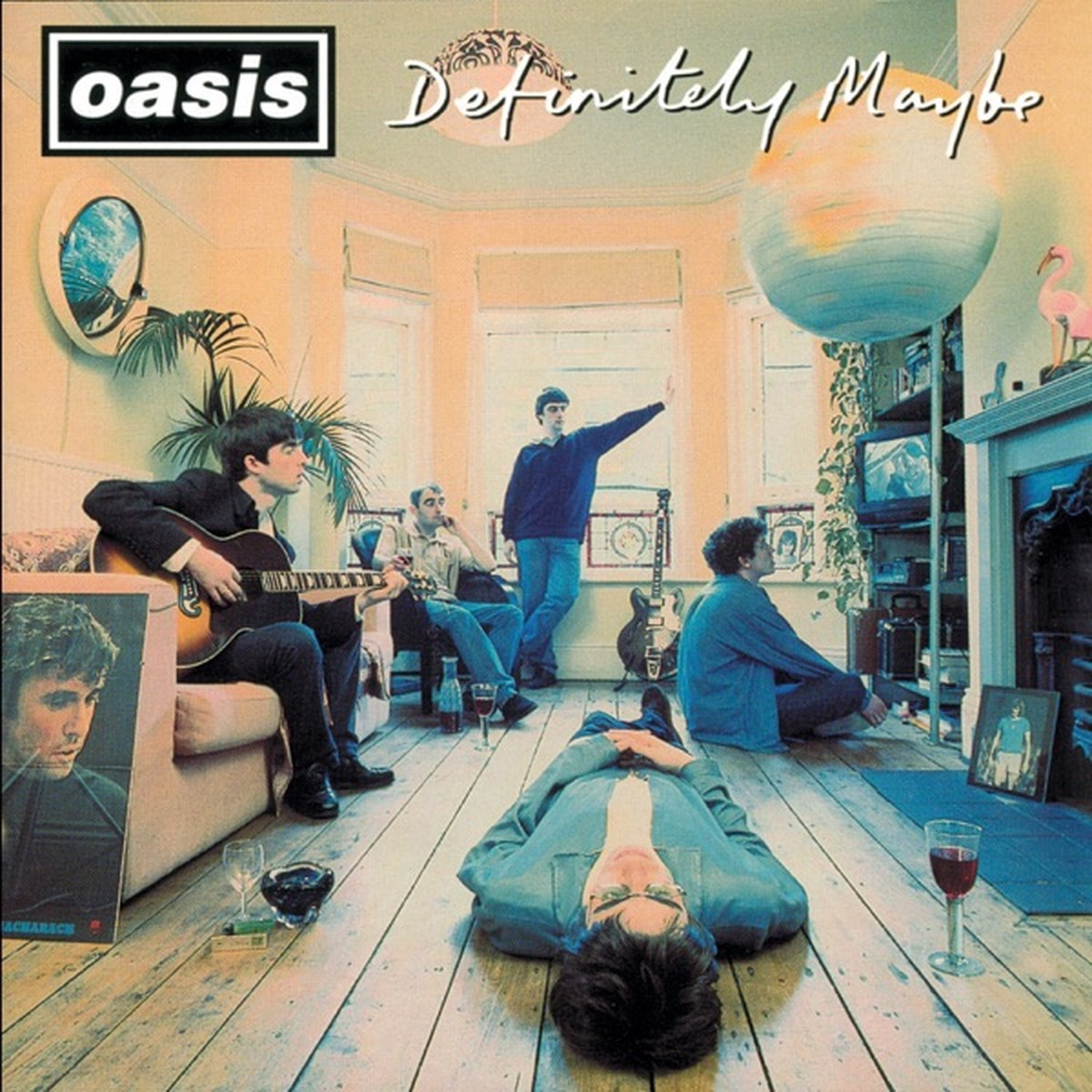
Definitely Maybe
August 29, 1994
Britpop, rock
Musicians / Members connected to Oasis





FAQ about Oasis
What genre is Oasis?
Oasis is commonly associated with Rock, Britpop, Alternative Rock.
Where is Oasis from?
Oasis is from Manchester, England, United Kingdom.
How many albums by Oasis are listed on musicOnOff?
musicOnOff currently lists 8 albums by Oasis.
