Manfred Mann ’06 with Manfred Mann's Earth Band
Overview
Manfred Mann ’06 with Manfred Mann's Earth Band represents the iterations of the musical ensemble guided by the iconic musician Manfred Mann. Known for their dynamic blend of progressive rock and jazz fusion, the band has created a distinctive musical path enriched by complex orchestrations and layered soundscapes. Manfred Mann himself, a seasoned keyboardist and composer, has been central to maintaining the band’s strong presence in the rock scene throughout the years. This particular lineup, with the inclusion of '06 in the name, denotes a specific era characterized by career revivals and a renewed dedication to elaborate live performances and studio recordings. They have maintained a dedicated fan base and have been celebrated for their instrumental virtuosity and inventive arrangements. The band’s music is often defined by its thematic richness and intricate compositions that transcend standard rock conventions. With roots deeply embedded in the burgeoning rock scenes of the mid-twentieth century, Manfred Mann's various projects have consistently pushed the boundaries of genre and style. Their sound is easily recognizable due to Manfred Mann’s signature keyboard work, which often interweaves with guitar-driven rock, harmonically sophisticated melodies, and occasional experimental deviations. This framework has allowed the band to experiment with various musical elements, making each project distinct yet familiarly cohesive. Manfred Mann's Earth Band, particularly in its '06 formation, has managed to balance innovation and tradition. By interpreting classic rock and pop standards in unconventional ways, the band has simultaneously paid homage to its influences while crafting a unique sonic footprint. Their evolving sound captures the quintessence of progressive rock’s appeal: the blending of accessible melodies with challenging musical ideas. Their journey has been marked by continual adaptation and evolution. With each project, the band manages to reinvent its musical identity while retaining the core elements that have come to define its work. Despite the challenges inherent in maintaining relevance over so many decades, they have succeeded in captivating audiences with performances that highlight the depth of their artistic vision.
Formation and Early Years
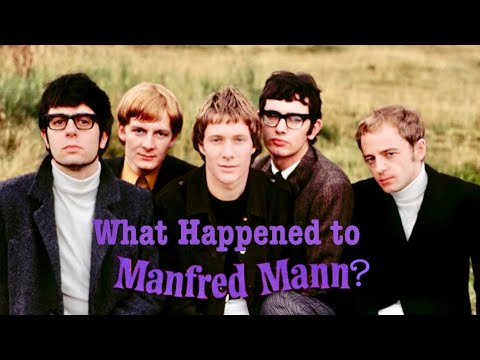
Manfred Mann’s Earth Band was formed in 1971 as a continuation of Manfred Mann’s earlier successes in the 1960s with the bands Manfred Mann and later, The Manfred Mann Chapter Three. Born in Johannesburg, South Africa, Manfred Mann, whose real name is Manfred Sepse Lubowitz, was recognized from an early age for his musical talent. His early interests in jazz and rhythm and blues significantly shaped his musical trajectory. Moving to the United Kingdom in 1961 in pursuit of a broader musical audience, he soon became involved with various musical groups that laid the foundation for his career. Initially, Mann found success in the pop charts and developed a reputation for his skillful keyboard playing and clever arrangements of popular songs, particularly covers of Bob Dylan tracks. These early forays into the music industry established Manfred Mann as a reputable name within the British Invasion landscape. Following the dissolution of his self-titled bands, Mann was keen on exploring more ambitious musical projects, integrating his jazz influences with rock sounds. The inception of Manfred Mann’s Earth Band marked a significant shift in Mann’s artistic direction. The band was an endeavor to blend rock music with Mann’s appreciation for complex musical compositions, influenced by genres such as jazz and blues. The original lineup brought together accomplished musicians like Mick Rogers, Colin Pattenden, and Chris Slade, whom Mann had met during various music sessions. Each member contributed their unique flair to the group, furthering the ensemble's distinct sound and setting the stage for several decades of rich musical exploration. From their debut album, 'Manfred Mann’s Earth Band', released in 1972, it was clear that this newly formed group was more than just a continuation of Mann’s previous work. It was a reimagining of his musical vision, characterized by a more expansive and ambitious approach to songwriting and performance. The early years of the Earth Band were formative, sowing the seeds for their future identity as pioneers of progressive rock.
Career Highlights
The career of Manfred Mann’s Earth Band is peppered with numerous highlights, from chart-topping hits to acclaimed albums and unforgettable live performances. Their innovative approach to music, characterized by intricate keyboard and synthesizer sections, resonated strongly with audiences during the 1970s and beyond. One of the most significant highlights came with the release of their 1976 album, 'The Roaring Silence'. This album included their iconic cover of Bruce Springsteen’s 'Blinded by the Light', which became a number one hit on the Billboard Hot 100 in the United States. This success marked the peak of their commercial popularity and demonstrated Mann's prowess in reinterpreting existing works with fresh, inventive arrangements. Their ability to transform songs while retaining their original spirit became a signature hallmark of the band. Another milestone was the release of 'Watch' in 1978, featuring tracks like 'Davy's on the Road Again' and 'Mighty Quinn', another Dylan cover that achieved considerable success. These tracks further established their reputation for dynamic and engaging rock performances, both in studio recordings and live settings. Their rigorous touring schedule across Europe and North America allowed the band to cultivate a broader audience, bringing their music to a global stage. Throughout the years, the band's commitment to pushing the boundaries of rock music led them to embrace various thematic elements and experiment with different forms, capturing the thematic complexity and intensity of progressive rock. Collaborations with other artists and producers also provided opportunities to explore new artistic paths, reflecting the ever-evolving nature of Manfred Mann's Earth Band.
Musical Style
Manfred Mann’s Earth Band is renowned for its blending of rock, jazz, and blues into a cohesive and distinct musical style. The group’s approach is noted for its sophisticated use of synthesizers and keyboards, complemented by intricate guitar lines and powerful vocals. This combination of elements culminates in an expansive, often dramatic sound signature of the band. Their ability to reinterpret songs, especially covers of popular tracks, is perhaps one of their most notable stylistic traits. Taking inspiration from a wide array of influences, they are known for transforming well-known songs into elaborate musical tapestries, adding intricate layers and depth to the original compositions. This adaptability allows the band to cover music from artists such as Bruce Springsteen and Bob Dylan, infusing them with new life and vigour. In terms of composition, Manfred Mann’s Earth Band frequently incorporates complex time signatures and elaborate arrangements, experimenting within the frameworks of progressive rock. Their work often features extended instrumental sections, highlighting the technical skills of each member while maintaining a strong melodic core. This creative ambition is evident across their discography and is a testament to their enduring appeal. Moreover, the band has two main stylistic corridors: one leaning towards accessible rock anthems and the other delving into experimental and progressive rock. This duality allows them to appeal to a broad audience while satisfying those with a taste for more challenging musical endeavors. Their style reflects both a reverence for musical tradition and a desire to push the boundaries of genre conventions.
Most Important Albums
Throughout their long-standing career, Manfred Mann’s Earth Band has released a series of critically acclaimed albums that stand as milestones in their musical journey. These records not only showcase the talents and growth of the band but also highlight their ability to adapt and reinvent their style. 'The Roaring Silence' (1976) is arguably the group’s most commercially successful album, featuring their hit cover of 'Blinded by the Light'. The album’s bold production choices and innovative arrangements set a new standard for rock music during the era. Combining familiar melodies with progressive elements, it climbed the charts and helped the band secure a place in rock history. Their 1973 album 'Solar Fire' is another significant entry into their discography, known for its experimentations with synthesizers and thematic explorations of cosmic concepts. Tracks like 'Father of Day, Father of Night' demonstrate their capacity for creating grandiose musical narratives within the framework of rock music. 'Watch' (1978) represents another high point, showcasing the band’s expansive sound and furthering their reputation for impeccable reinterpretations of existing songs. With the inclusion of live staples like 'Mighty Quinn', it solidified the Earth Band’s role as influential interpreters of music. The band's continuous innovation is reflected in albums like 'Angel Station' (1979), which features a more polished production style and delves into diverse musical landscapes. Each album serves as a reminder of the band's versatility and commitment to pushing musical boundaries while retaining the unique sound that distinguishes Manfred Mann's Earth Band.
Legacy and Influence
The legacy of Manfred Mann’s Earth Band extends beyond their chart successes and enduring discography. Their innovative approach to blending genres, coupled with their technical prowess, has had a significant influence on the progressive rock genre and beyond. Their ability to seamlessly integrate elements of jazz and blues into rock has inspired numerous contemporary bands and musicians. The Earth Band’s commitment to pushing musical boundaries resonated deeply during the 1970s, a period where progressive rock flourished as a genre. Their continued exploration of new sounds and willingness to innovate has impacted audiences and musicians alike. Moreover, many of Manfred Mann's Earth Band’s reinterpretations of well-known tracks have become definitive versions in their own right, showcasing the power of creative adaptation. The band's legacy is evident in the way they have redefined the possibilities within the rock genre, demonstrating the potential for complexity and sophistication in popular music. Even today, Manfred Mann’s Earth Band remains a respected name in rock music, influencing upcoming musicians and contributing to the artistic diversity of the musical landscape. Their body of work stands as a testament to the power of adaptation and the enduring appeal of crossing musical boundaries. The band's ability to remain relevant over decades is a testament to their adaptability and the timeless quality of their music, ensuring their songs continue to inspire and be enjoyed by future generations.
Albums by Manfred Mann ’06 with Manfred Mann's Earth Band

Musicians / Members connected to Manfred Mann ’06 with Manfred Mann's Earth Band

FAQ about Manfred Mann ’06 with Manfred Mann's Earth Band
What genre is Manfred Mann ’06 with Manfred Mann's Earth Band?
Manfred Mann ’06 with Manfred Mann's Earth Band is commonly associated with Progressive rock, Jazz fusion, Blues rock.
Where is Manfred Mann ’06 with Manfred Mann's Earth Band from?
Manfred Mann ’06 with Manfred Mann's Earth Band is from London, England.
How many albums by Manfred Mann ’06 with Manfred Mann's Earth Band are listed on musicOnOff?
musicOnOff currently lists 1 albums by Manfred Mann ’06 with Manfred Mann's Earth Band.
