Little Richard
Overview
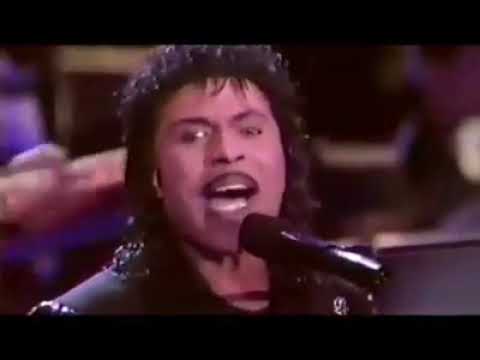
Little Richard, born Richard Wayne Penniman, is widely recognized as a pivotal figure in the history of music, especially within the rock and roll genre. Known for his dynamic charisma, flamboyant performances, and distinctive voice, Little Richard established himself as one of the original architects of rock and roll throughout the 1950s and beyond. Not only did he influence the development of music styles, but he also played a crucial role in integrating concerts during a racially tense period in American history. Having a career that spanned over seven decades, Little Richard's impact on both his contemporaries and future generations of musicians is immeasurable. He was more than just an entertainer; he was a cultural phenomenon whose contributions continue to echo in the world of music.
Formation and Early Years
Little Richard was born on December 5, 1932, in Macon, Georgia, a city that would later play a significant part in his musical journey. Growing up in a large family, Richard was exposed to gospel music at a young age, singing in his church choir. However, his unique voice and energetic style soon set him apart. By the time he was in his teens, Richard had developed a love for rhythm and blues and began performing wherever he could, channeling his vibrant energy into each performance. This formative period saw Richard experiment with blending gospel, blues, and boogie-woogie influences, laying the groundwork for what would become his signature sound.
Career Highlights
Little Richard burst onto the national scene in the mid-1950s with his breakout hit 'Tutti Frutti,' a song defined by its exuberant rhythm and Richard's iconic falsetto. This success was rapidly followed by a string of hits including 'Long Tall Sally,' 'Rip It Up,' and 'Lucille,' each contributing to his status as a rock and roll legend. As his career momentum grew, Little Richard became known for his wild stage presence, often featuring dramatic costumes and powerful piano skills, which enchanted audiences and set him apart from his peers. Richard's live performances were legendary, leading to numerous tours both in the United States and internationally, drawing fans from diverse backgrounds and breaking down racial barriers in the music industry.
Musical Style
The musical style of Little Richard is an electrifying blend of rhythm and blues, gospel, and rock and roll, characterized by ferocious piano playing and intense vocal delivery. His songs often feature a driving beat and catchy melodies accentuated by his characteristic shout-style singing. Richard's style has been described as a precursor to rock, maintaining elements of traditional African-American music while pushing the boundaries of mainstream sounds. His music frequently embraced themes of fun and romance wrapped in an expressive exuberance, which resonated with the youth of the 1950s. This vibrant style became a blueprint for future artists in the rock genre, helping to define the energetic sound associated with rock and roll.
Most Important Albums
Among Little Richard's most important albums is 'Here's Little Richard,' released in 1957. The album is a seminal work in the rock and roll canon, featuring classics such as 'Tutti Frutti' and 'Long Tall Sally.' This debut was crucial in cementing Richard's reputation as a leading rock and roll artist. 'The Fabulous Little Richard,' another significant release, showcases his versatile musical talent further and includes hits like 'Lucille.' Each album Richard produced during the peak of his career contributed to the formidable body of work that has inspired countless musicians following in his footsteps.
Legacy and Influence
Little Richard's legacy is reflected in the indelible mark he left on the music industry. As a pioneer of rock and roll, he influenced countless artists, from The Beatles and Elvis Presley to Prince and David Bowie, many of whom have cited him as an inspiration. In addition to his musical contributions, Little Richard's fearless embrace of his identity and flamboyant performance style challenged societal norms and paved the way for future artists to express themselves freely. Inducted into the Rock and Roll Hall of Fame in 1986, Richard's influence persists in today's music scene, echoing the vitality and passion that defined his career.
Albums by Little Richard

Southern Child
January 10, 2005
Country, R&B

Shake It All About
October 20, 1992
Children's music, rock and roll

Little Richard Meets Masayoshi Takanaka
June 10, 1992
Rock and roll

Lifetime Friend
December 08, 1986
Rhythm and blues, soul, rock and roll, contemporary Christian music

God's Beautiful City
May 10, 1979
Gospel

Little Richard
May 10, 1976
Rock and roll, rhythm and blues

Right Now!
September 10, 1974
Soul

The Second Coming
September 25, 1972
Rock and roll, soul, funk

The King of Rock and Roll
October 25, 1971
Rock, soul

The Rill Thing
August 10, 1970
Rock and roll, soul, R&B

The Explosive Little Richard
January 15, 1967
Rock and roll, soul

Little Richard Is Back
August 29, 1964
Rock and roll

The King of the Gospel Singers
November 10, 1961
Gospel

Pray Along with Little Richard , Volume 1
July 10, 1960
Gospel

Pray Along with Little Richard
April 10, 1960
Gospel

The Fabulous Little Richard
February 03, 1958
Rock and roll

Here's Little Richard
March 04, 1957
Rock and roll, rhythm and blues
Musicians / Members connected to Little Richard
FAQ about Little Richard
What genre is Little Richard?
Little Richard is commonly associated with Rock and roll, Rhythm and blues, Gospel.
Where is Little Richard from?
Little Richard is from Macon, Georgia, USA.
How many albums by Little Richard are listed on musicOnOff?
musicOnOff currently lists 17 albums by Little Richard.
