King Crimson
Overview
King Crimson is an iconic progressive rock band that has left an indelible mark on the music industry since its formation in 1968. The band is known for its eclectic and innovative approach to music, combining elements of rock, jazz, classical, and experimental sounds to create a unique auditory experience. Often credited with being one of the pioneers of progressive rock, King Crimson has undergone numerous lineup changes over the decades, yet it has consistently maintained a reputation for musical excellence and pioneering spirit.
Throughout its history, King Crimson has been led by guitarist Robert Fripp, the only constant member, who has charted the group's direction through its various incarnations. Known for their powerful live performances and complex compositions, King Crimson has influenced countless artists across numerous genres, solidifying their place in the annals of rock history. Despite their evolving lineup, the band's commitment to pushing the boundaries of rock music has remained steadfast.
Their ability to continually reinvent their sound has kept the band relevant, exploring new territory while maintaining the core essence of what defines King Crimson. The band's music often delves into themes both personal and philosophical, addressing topics ranging from the human condition to political critique. King Crimson's innovative spirit and refusal to conform to conventional music industry standards have garnered them a dedicated fanbase and enduring legacy.
King Crimson's body of work spans several decades, characterized by a series of influential albums and groundbreaking live performances. Their continuous exploration of sound and refusal to adhere to traditional songwriting norms have kept fans and critics enthralled, ensuring their place as one of the most innovative bands in rock history.
Formation and Early Years
King Crimson was formed in 1968 in London, England, by guitarist Robert Fripp, drummer Michael Giles, bassist and vocalist Greg Lake, and multi-instrumentalist Ian McDonald. The early days of the band were a time of creative exploration, as the members sought to blend their diverse musical influences into a cohesive sound. The original lineup quickly garnered attention for their distinctive style, which fused elements of jazz, classical, and psychedelic rock.
The band's debut album, "In the Court of the Crimson King," released in 1969, is often hailed as a masterpiece that helped define the progressive rock genre. The album's intricate compositions and ambitious themes set a new standard for what rock music could achieve. Songs like "21st Century Schizoid Man" showcased the band's technical proficiency and willingness to experiment with unconventional musical structures.
However, the success of the debut album also led to tension within the band, resulting in significant line-up changes. The initial breakup forced Robert Fripp to rethink the band's direction, which led to a series of different incarnations of King Crimson over the years. Despite these challenges, Fripp's leadership and vision ensured the band's continued creative evolution.
The formation years laid the groundwork for what would become a continually shifting lineup and ever-evolving sound. From the outset, King Crimson was driven by a desire to explore the frontiers of rock music, an ethos that would carry through in every subsequent iteration of the band.
Career Highlights
King Crimson's career is marked by several high points, including the release of seminal albums and memorable live performances that have captivated audiences around the world. After their initial success with "In the Court of the Crimson King," the band continued to push the envelope with albums like "Larks' Tongues in Aspic" (1973) and "Red" (1974), each recording reflecting a new direction in their sonic identity.
In the early 1980s, the band underwent another significant transformation, incorporating New Wave influences into their sound with the albums "Discipline" (1981), "Beat" (1982), and "Three of a Perfect Pair" (1984). This era saw the addition of musicians like Adrian Belew and Tony Levin, whose contributions helped redefine the band's musical approach. The re-formed King Crimson embraced polyrhythms, complex time signatures, and a more restrained but still emotionally expressive style.
King Crimson's impact was further solidified by their live performances, which were known for their intensity and improvisational flair. The "Thrak" era of the mid-1990s saw the band experimenting with a 'double trio' lineup, adding more layers and complexity to their sound, resulting in critically acclaimed albums like "Thrak" (1995).
The band's ability to adapt and evolve while maintaining their core identity has been a defining characteristic of their career. Each period of their history has brought something new to the table, challenging both themselves and their listeners, and ensuring their place as a vital force in music for over five decades.
Musical Style
King Crimson's musical style is a kaleidoscopic blend of various genres and influences, making them a quintessential example of progressive rock. Their sound is characterized by innovative use of dissonance, complex time signatures, and expansive song structures that often eschew traditional verse-chorus formats. King Crimson's compositions frequently incorporate elements of classical music, jazz, and avant-garde experimentalism, setting them apart from many of their contemporaries.
The band's style has never been static; instead, it has evolved continually, reflecting changes in the lineup and external musical landscapes. Their early work was deeply rooted in the psychedelic and symphonic rock of the late 1960s, while later periods saw incorporations of jazz fusion, electronic music, and even heavy metal influences.
Guitarist Robert Fripp's distinctive playing style, characterized by intricate finger work and an affinity for non-standard tunings, has been a central element of King Crimson's sound. The band's willingness to integrate various instruments, from Mellotrons and synthesizers to more traditional rock setups, has allowed them to explore diverse soundscapes.
Despite these changes, the band's music has always maintained a sense of cohesion and thematic depth, often exploring existential and philosophical themes. The willingness to defy genre conventions and explore new musical territories is what has enabled King Crimson to remain relevant and influential throughout their extensive career.
Most Important Albums
King Crimson's discography is filled with groundbreaking albums that have left a lasting impact on the music world, beginning with their seminal debut, "In the Court of the Crimson King" (1969). This album is widely regarded as one of the most important records in the history of progressive rock, noted for its intricate compositions and ambitious lyrical themes. It laid the foundation for what would become the signature King Crimson sound.
The band's follow-up albums, "In the Wake of Poseidon" (1970) and "Lizard" (1970), continued to explore complex musical landscapes, showcasing the band's evolving style and creative ambition. "Larks' Tongues in Aspic" (1973) marked another pivotal point, introducing a rawer, more experimental edge to their music, with its blend of avant-garde improvisations and structured compositions.
"Red" (1974) is often cited as one of the band's finest works, delivering a darker, more aggressive sound that would influence the development of heavy metal and alternative rock. The 1980s saw yet another reinvention with "Discipline" (1981), a record that is both a departure from and a continuation of their past work, incorporating contemporary New Wave elements.
In the 1990s, "Thrak" (1995) brought King Crimson back into the spotlight with a return to the complex interplay and dynamic range that defined their earlier work. Each album in King Crimson's catalog offers a unique listening experience, reflecting the band's relentless pursuit of innovation and their ability to adapt to changing musical landscapes while maintaining their core artistic vision.
Legacy and Influence
King Crimson's legacy is profound, having influenced a wide array of artists across multiple genres since their inception. As one of the pioneers of the progressive rock movement, they set a high bar for musicianship and artistic integrity that has inspired countless acts, ranging from heavy metal bands to modern progressive outfits.
Their bold experimentation with musical structure and willingness to embrace different styles has left a lasting impact on the rock genre, earning them a reputation as trailblazers. Robert Fripp's guitar work, in particular, has been cited by many acclaimed musicians as a major influence on their own playing.
Beyond their impact on music, King Crimson is also noted for their approach to the music industry, often steering clear of mainstream pressures in favor of artistic exploration. This ethos of innovation over profit has resonated with many artists who seek to prioritize creativity and authenticity in their work.
The band's extensive and varied discography continues to resonate with fans old and new, and live performances remain a highly anticipated event. King Crimson's longevity and adaptability in the ever-changing landscape of rock music reaffirm their status as one of the most groundbreaking and influential bands in history. Their commitment to musical exploration ensures that their legacy will endure, inspiring future generations of musicians to push the boundaries of what is possible.
Albums by King Crimson

The Power to Believe
March 04, 2003
Progressive metal, industrial metal, progressive rock

The Construkction of Light
May 23, 2000
Progressive rock, progressive metal, industrial metal

Thrak
April 03, 1995
Progressive rock, progressive metal, industrial rock

Three of a Perfect Pair
March 26, 1984
Progressive rock, new wave, post-punk, industrial

Discipline
October 02, 1981
Art rock, progressive rock, new wave, post-progressive, dance-rock

USA (album)
May 06, 1975
Progressive rock
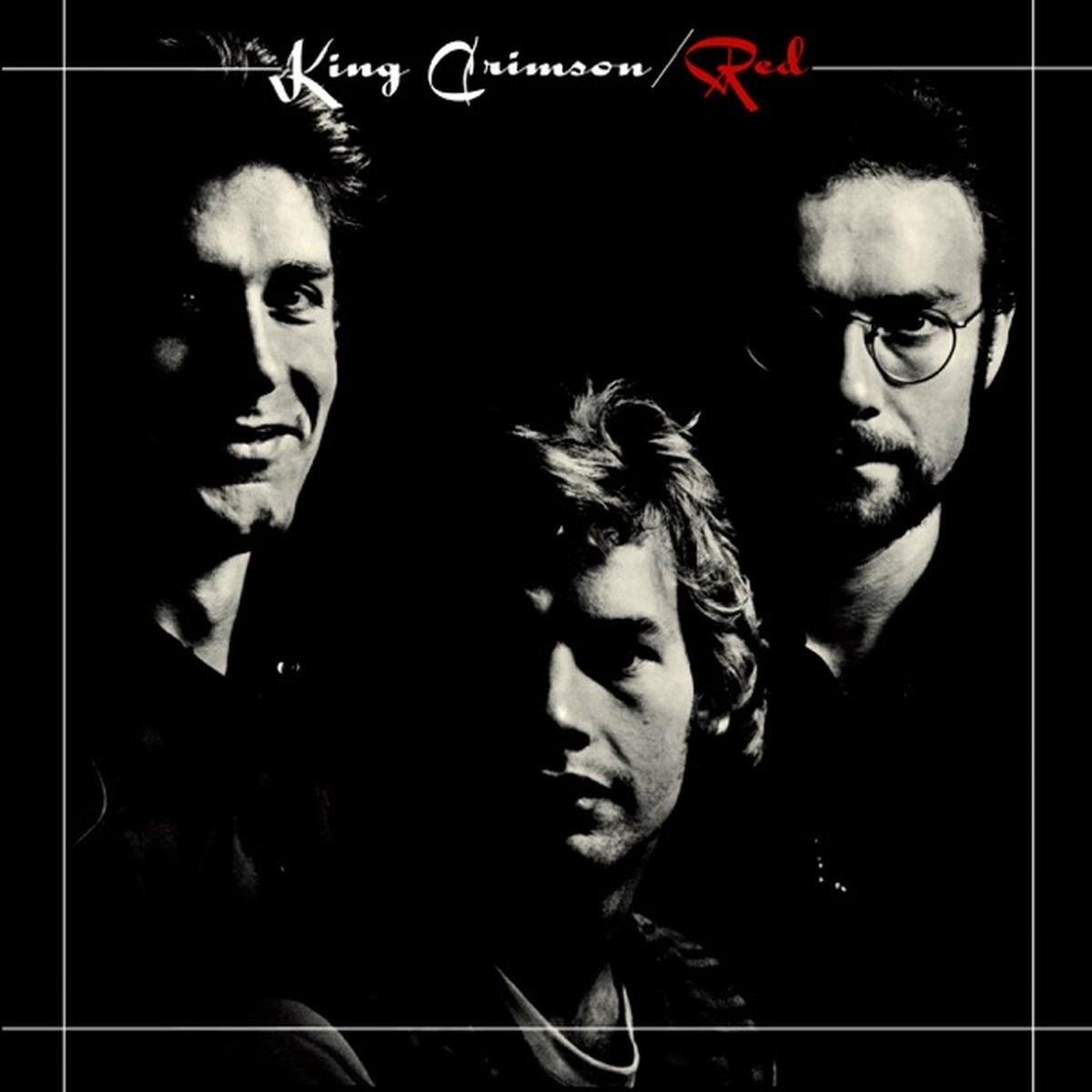
Red (King Crimson album)
October 06, 1974
Progressive rock, progressive metal, heavy metal

Starless and Bible Black
March 29, 1974
Progressive rock, experimental rock, free improvisation

Larks' Tongues in Aspic
March 23, 1973
Progressive rock, avant-garde metal, free improvisation

Earthbound
June 09, 1972
Progressive rock, jazz fusion, lo-fi music

Islands
December 03, 1971
Progressive rock, jazz fusion, jazz-rock

Lizard
December 11, 1970
Progressive rock, avant-garde jazz

In the Wake of Poseidon
May 15, 1970
Progressive rock

In the Court of the Crimson King
October 10, 1969
Progressive rock, art rock
Musicians / Members connected to King Crimson

Adrian Belew
Born December 23, 1949

Bill Bruford
Born May 17, 1949

Greg Lake
Born November 10, 1948

Ian Mcdonald (Musician)
Born June 25, 1946

John Wetton
Born June 12, 1949

Michael Giles
Born March 01, 1942

Pat Mastelotto
Born September 10, 1955

Peter Sinfield
Born December 27, 1943

Robert Fripp
Born May 16, 1946

Tony Levin
Born June 06, 1946
FAQ about King Crimson
What genre is King Crimson?
King Crimson is commonly associated with Progressive rock, Art rock, Experimental rock.
Where is King Crimson from?
King Crimson is from London, England, United Kingdom.
How many albums by King Crimson are listed on musicOnOff?
musicOnOff currently lists 14 albums by King Crimson.
