Judas Priest
Overview
Judas Priest is a British heavy metal band that has significantly influenced the music industry, particularly within the heavy metal genre. Known for their powerful sound and dynamic stage performances, Judas Priest has been a commanding presence in the music scene since the early 1970s. Often referred to as one of the 'big four' of original heavy metal bands, alongside Black Sabbath, Iron Maiden, and Motorhead, Judas Priest's work has been pivotal in the development and evolution of heavy metal.
The band is renowned for twin guitar harmonies, operatic vocal styles, and a leather-and-studs look that became emblematic of the genre. Their contributions to music and metal culture are vast, setting new standards in terms of sound and aesthetics. With a career spanning several decades, Judas Priest remains an influential entity, inspiring countless bands and musicians around the globe. Despite various lineup changes over the years, their music continues to attract a multigenerational fan base and they maintain a revered position in the pantheon of heavy metal music.
Formation and Early Years
Judas Priest was formed in 1969 in West Bromwich, England, a time when rock music was beginning to diversify into various subgenres. Initially, the band was composed of guitarist K. K. Downing, bassist Ian Hill, drummer John Ellis, and vocalist Al Atkins. The name 'Judas Priest' was inspired by the Bob Dylan song 'The Ballad of Frankie Lee and Judas Priest'. Their early years were marked by significant changes, both in lineup and musical style, as they sought to carve out a unique identity in the burgeoning hard rock scene.
The addition of guitarist Glenn Tipton in 1974 proved to be a turning point for the band as his arrival allowed them to develop their signature twin guitar sound, which became integral to their musical identity. Shortly afterward, Rob Halford joined as the lead vocalist, bringing with him a powerful vocal range and stage presence that further solidified Judas Priest's direction and appeal. These formative years involved constant touring, experimentation with their musical style, and gradual development of a fan base throughout the UK.
Career Highlights
Judas Priest's career is marked by numerous high points and a steady rise to international fame. Their 1980 release, 'British Steel', is often cited as a seminal album in heavy metal. Featuring hits like 'Breaking the Law' and 'Living After Midnight', the album brought them critical and commercial success, particularly in the United States and Europe. Throughout the 1980s, the band released a series of successful albums, such as 'Screaming for Vengeance' and 'Defenders of the Faith', further cementing their status as metal icons.
In the 1990s, Judas Priest faced challenges including lineup changes and evolving musical landscapes with the emergence of grunge and alternative rock. Despite these changes, they continued to produce influential music, including the album 'Painkiller', which saw a return to a heavier and faster sound. The early 2000s marked the reunion with Rob Halford and subsequent releases such as 'Angel of Retribution' and 'Redeemer of Souls', which were met with enthusiasm from fans and critics alike. Induction into the Rock and Roll Hall of Fame in 2022 is a testament to their enduring influence and contribution to music.
Musical Style
Judas Priest's musical style is characterized by the dual lead guitar attack, powerful operatic vocals, and driving rhythms that have defined the sound of heavy metal. Their sound has evolved over the years, blending elements of hard rock, power metal, and speed metal. The band's guitarists, K. K. Downing and Glenn Tipton, are known for their intricate and harmonized riffs, while Rob Halford's wide vocal range, capable of reaching high-pitched screams, became one of the most defining elements of their style.
The band's early work was rooted in blues-rock, but as they matured, their music became darker and more aggressive, incorporating complex song structures, varied tempos, and lyrical themes that range from fantasy and science fiction to social and personal issues. This adaptability and evolution in their musical style have allowed them to remain relevant across different eras of metal, influencing a multitude of bands within the genre across generations.
Most Important Albums
Judas Priest's discography includes several albums that are considered milestones in heavy metal history. 'Sad Wings of Destiny', released in 1976, established the band's presence with tracks like 'Victim of Changes' and is credited with shaping the direction of their future sound. 'British Steel' is perhaps their most famous album, marking their breakthrough into mainstream success with a more accessible sound while retaining a harder edge.
'Screaming for Vengeance', released in 1982, delivered some of their most iconic tracks, including 'You've Got Another Thing Comin''. This album helped solidify their reputation as one of metal's premier acts. The 'Painkiller' album, released in 1990, represented a return to a sharper, faster sound that showcased the band's formidable musicianship and Rob Halford's vocal prowess. These albums have not only defined Judas Priest's career but have also inspired subsequent generations of rock and metal artists.
Legacy and Influence
Judas Priest's influence on heavy metal and the broader music landscape is profound. They helped to define the visual and sonic aesthetic of metal with their distinctive style and imagery. The band's introduction of the twin guitar format and their charismatic frontman Rob Halford's powerful high-pitched vocals set new standards for the genre, influencing countless bands in the metal and rock domain.
Often credited with laying the groundwork for speed and thrash metal, the signature elements of their sound have echoed throughout various subgenres of heavy music. Their impact is evident in bands ranging from Metallica to Pantera, who cite Judas Priest as a major influence. Beyond music, they are also known for popularizing the leather-and-studs look that became synonymous with the heavy metal image. Judas Priest's dedication to their craft and their pioneering spirit ensure that their legacy endures, as they continue to tour and release new music, inspiring both fans and musicians alike.
Albums by Judas Priest

Invincible Shield
March 08, 2024
Heavy metal

Redeemer of Souls
July 08, 2014
Heavy metal

Nostradamus
June 16, 2008
Heavy metal, symphonic metal

Angel of Retribution
February 28, 2005
Heavy metal

Demolition
July 31, 2001
Heavy metal, nu metal

Jugulator
October 28, 1997
Heavy metal, groove metal, thrash metal

Painkiller
September 17, 1990
Heavy metal, speed metal

Ram It Down
May 13, 1988
Heavy metal

Turbo
April 07, 1986
Glam metal, heavy metal, synth-metal

Defenders of the Faith
January 13, 1984
Heavy metal

Screaming for Vengeance
July 01, 1982
Heavy metal

Point of Entry
February 27, 1981
Heavy metal, hard rock

British Steel
April 11, 1980
Heavy metal

Killing Machine
November 03, 1978
Heavy metal

Stained Class
February 10, 1978
Heavy metal

Sin After Sin
April 08, 1977
Heavy metal

Sad Wings of Destiny
March 26, 1976
Heavy metal
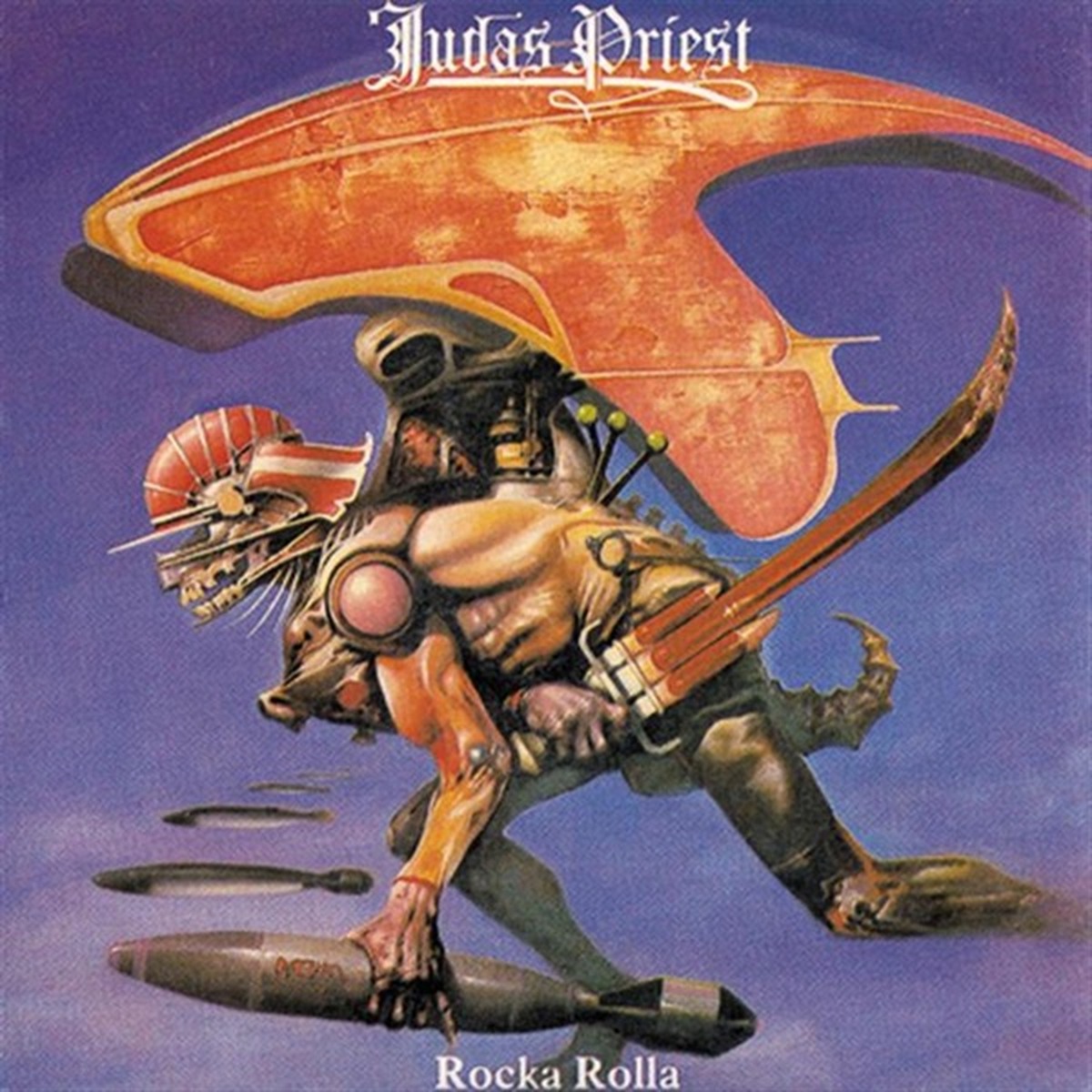
Rocka Rolla
September 06, 1974
Hard rock, blues rock
Musicians / Members connected to Judas Priest
Members
Rob Halford
Glenn Tipton
Richie Faulkner
Ian Hill
Scott Travis
Past Members
K. K. Downing
Al Atkins
John Ellis
Dave Holland
Les Binks
FAQ about Judas Priest
What genre is Judas Priest?
Judas Priest is commonly associated with Heavy metal, Speed metal, Hard rock.
Where is Judas Priest from?
Judas Priest is from West Bromwich, England, United Kingdom.
How many albums by Judas Priest are listed on musicOnOff?
musicOnOff currently lists 18 albums by Judas Priest.
