Iron Maiden
Overview
Iron Maiden is a British heavy metal band formed in 1975 by bassist and primary songwriter Steve Harris. The band gained prominence as one of the leading pioneers of the New Wave of British Heavy Metal movement during the late 1970s and early 1980s. With their energetic performances, powerful vocals, and intricate guitar work, Iron Maiden became a household name in the hard rock and heavy metal circles. As of today, they are considered one of the most successful heavy metal bands in history, selling over 100 million copies worldwide. Iron Maiden is known for its theatrical live shows, which often feature elaborate stage sets and props, as well as their iconic mascot, Eddie, who appears on almost all of the band's album covers and merchandise.
Iron Maiden has a reputation for its distinctive sound, characterized by Harris's galloping bass lines, Adrian Smith's and Dave Murray's harmonized guitar playing, and Bruce Dickinson's operatic vocal style. The band has maintained a dedicated fan base over the decades, despite changes in musical trends and the ups and downs of the music industry. Their concerts often sell out rapidly, and they have played in some of the most prominent global venues. The band is also known for its vast and diverse discography, with them releasing studio albums, live albums, and compilations that explore various aspects of history, literature, and culture through their lyrics.
Formation and Early Years
Iron Maiden was formed in Leyton, East London, by bassist Steve Harris, just a few months after he left his previous band, Smiler. Harris, driven by the vision of creating his own unique sound, named the band after the medieval torture device featured in the film 'The Man in the Iron Mask.' In the early years, Iron Maiden went through several lineup changes, struggling to get their footing in the competitive London music scene. Their early gigs were often in local pubs and smaller venues, where they gradually built a reputation for their energetic performances. The band's initial lineup featured vocalists like Paul Day, whose tenure was short-lived, and Dennis Wilcock, who introduced Harris to Dave Murray, a critical addition to Iron Maiden's twin-guitar sound.
Throughout the late 1970s, the band recorded several demo tapes that eventually caught the attention of EMI Records. With their debut album, simply titled 'Iron Maiden,' released in 1980, they captured the growing interest in heavy metal music. The album's raw energy and standout tracks like 'Phantom of the Opera' and 'Running Free' demonstrated their potential to dominate the genre. This early success was further propelled by regular performances at London’s legendary venue, The Marquee Club, which helped them build a loyal following and established their trajectory towards becoming a prominent figure in the heavy metal scene.
Career Highlights
Iron Maiden's breakthrough came with their third album, 'The Number of the Beast' in 1982, which was the band’s debut with Bruce Dickinson as lead vocalist. The album was a critical and commercial success, reaching number one on the UK Albums Chart and becoming a major hit globally. Featuring anthems like 'Hallowed Be Thy Name,' 'Run to the Hills,' and the title track, the album cemented Iron Maiden's status as metal icons. Throughout the 1980s, the band released a series of hit albums including 'Piece of Mind,' 'Powerslave,' and 'Somewhere in Time,' all of which demonstrated their evolution in sound and lyrical complexity. Their extensive touring, documented in world tour DVDs, showcased their massive live credentials and expanded their fan base worldwide.
The 1990s were a period of change and experimentation, marked by the departure of Bruce Dickinson and the introduction of Blaze Bayley as vocalist, with albums like 'The X Factor' and 'Virtual XI.' While these albums received mixed reviews, they set the stage for a monumental return to form with Dickinson rejoining the band in the late 1990s. This era ushered in another period of success with the release of 'Brave New World' in 2000, reflecting the band's revitalized energy and creativity. Iron Maiden continued to innovate with albums like 'A Matter of Life and Death' and 'The Final Frontier,' further solidifying their standing as pioneers and everlasting stars in the heavy metal genre.
Musical Style
Iron Maiden's musical style is often characterized by its complex and layered compositions, harmonized guitars, and a bass-driven sound that is both heavy and melodic. Harris's distinctive bass lines are a signature feature of the band's music, providing a galloping rhythm that defines many of their classic tracks. The dual-guitar attack of Dave Murray and Adrian Smith is another hallmark of the Iron Maiden sound, often featuring intricate solos, harmonies, and riffs that have become emblematic of the band’s style. Bruce Dickinson's wide vocal range and operatic delivery heighten the intensity and drama of their music, giving songs an anthemic quality.
Lyrically, Iron Maiden draws a variety of influences including literature, history, mythology, and the supernatural. Steve Harris is largely responsible for the conceptual, often narrative-driven content of their albums. This literary and historical approach provides depth to albums like 'Powerslave,' which delves into themes of ancient Egypt, and 'Seventh Son of a Seventh Son', which explores themes of mysticism and prophecy. The combination of aggressive yet melodic music and thoughtful lyrical content has allowed Iron Maiden to transcend typical genre boundaries and achieve broad appeal.
Most Important Albums
'The Number of the Beast' (1982) is often hailed as one of Iron Maiden's most important and definitive albums. It marked a creative peak for the band, showcasing their ability to blend melodic complexity with raw power. Featuring iconic tracks such as 'Run to the Hills' and the titular song, the album explores themes of good versus evil and has been lauded both critically and commercially. Another pivotal release is 'Powerslave' (1984), which includes fan favorites like '2 Minutes to Midnight' and the epic 'Rime of the Ancient Mariner,' based on Samuel Taylor Coleridge's poem.
'Brave New World' (2000) was critical for the band, marking the return of Bruce Dickinson and guitarist Adrian Smith. Regarded as a triumphant revival, the album features a more progressive sound that appealed to both old fans and new audiences. 'Seventh Son of a Seventh Son' (1988) is another landmark album, celebrated for its thematic cohesion and complex orchestrations. The album pushed the boundaries of heavy metal, blending progressive rock elements and leading to some of the band's most ambitious soundscapes.
Legacy and Influence
Iron Maiden's influence on the heavy metal genre is immeasurable. Their pioneering sound and innovative approach served to shape the future of metal music, inspiring countless bands across various subgenres. They set a standard for musical excellence and the integration of elaborate storytelling within the context of hard rock and metal. Band members like Steve Harris and Bruce Dickinson have become influential figures in the music world, admired for their musical skill and creativity.
Beyond their musical influence, Iron Maiden's business model, which emphasizes independence and a direct relationship with their fans, has been pivotal in setting an example for other artists. By maintaining control over their music and image while also touring extensively, they have built a career built on longevity and resilience. The band is often celebrated for their cultural impact, with their mascot Eddie becoming a symbol synonymous with hard rock, appearing not only on album covers and merchandise but also becoming an integral part of their live performances. This iconic status ensures that Iron Maiden's legacy will endure for generations to come, etching them into the annals of music history as one of the greatest bands of all time.
Albums by Iron Maiden

Senjutsu
September 03, 2021
Heavy metal, progressive metal

The Book of Souls
September 04, 2015
Heavy metal, progressive metal

The Final Frontier
August 13, 2010
Heavy metal

A Matter of Life and Death
August 25, 2006
Heavy metal
🛍 Shop Music


Dance of Death
September 02, 2003
Heavy metal

Brave New World (Iron Maiden album)
May 29, 2000
Heavy metal

The X Factor (album)
October 02, 1995
Heavy metal

Fear of the Dark (Iron Maiden album)
May 11, 1992
Heavy metal
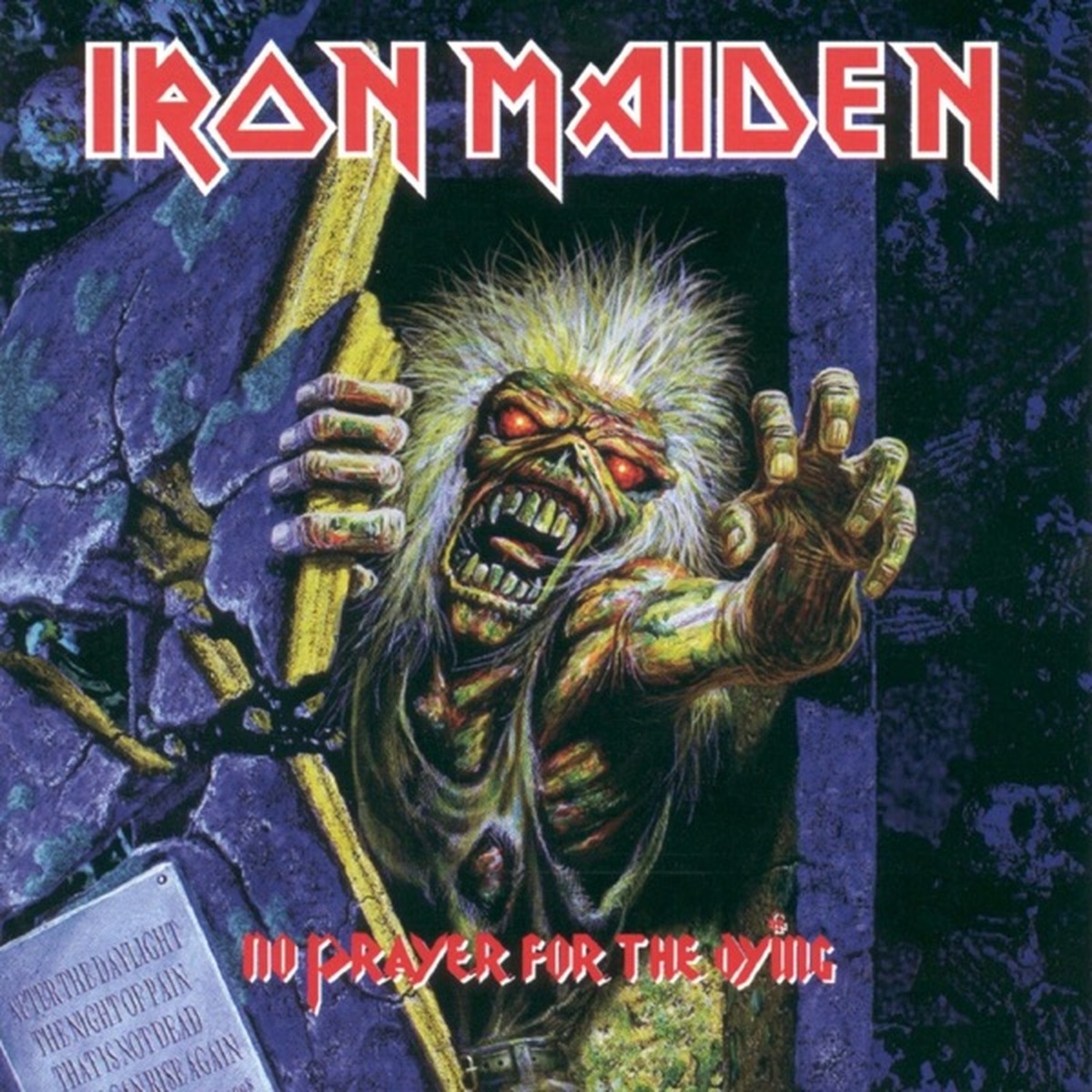
No Prayer for the Dying
October 01, 1990
Heavy metal

Seventh Son of a Seventh Son
April 11, 1988
Heavy metal

Somewhere in Time
September 29, 1986
Heavy metal

Powerslave
September 03, 1984
Heavy metal

Piece of Mind
May 16, 1983
Heavy metal

The Number of the Beast
March 22, 1982
Heavy metal

Maiden Japan
September 14, 1981
Heavy metal

Killers
February 02, 1981
Heavy metal

Iron Maiden (album)
April 14, 1980
Heavy metal

The Soundhouse Tapes
November 09, 1979
Heavy metal
Musicians / Members connected to Iron Maiden




FAQ about Iron Maiden
What genre is Iron Maiden?
Iron Maiden is commonly associated with Heavy metal, hard rock.
Where is Iron Maiden from?
Iron Maiden is from Leyton, London, England.
How many albums by Iron Maiden are listed on musicOnOff?
musicOnOff currently lists 18 albums by Iron Maiden.
