Hawkwind
Overview
Hawkwind is an English rock band that emerged in the late 1960s, known for its pioneering role in the space rock genre. The band was formed in 1969 and quickly gained a reputation for its unique blend of hard rock and psychedelia. Throughout its history, Hawkwind has undergone numerous lineup changes, which has contributed to a dynamic and evolving musical style. Despite the shifts in personnel, the band has consistently maintained its core sound characterized by extended instrumental passages and thematic exploration of science fiction and fantasy. Hawkwind's musical journey has spanned several decades, and their influence on rock music is considerable, with their sound leaving a mark on bands ranging from punk to heavy metal. With a prolific discography, Hawkwind continues to perform and record, maintaining a loyal fan base worldwide.
Formation and Early Years
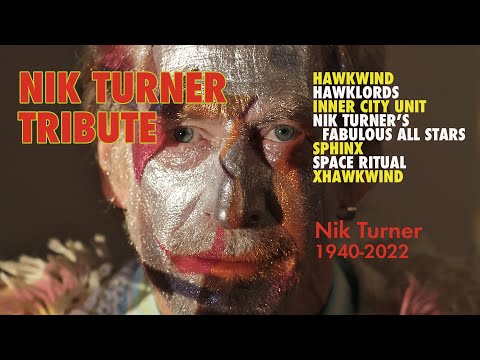
Hawkwind was formed in November 1969 by guitarist and vocalist Dave Brock, who has remained a constant presence throughout the band's history. Alongside Brock, the initial lineup included Mick Slattery on guitar, Nik Turner on saxophone and flute, John Harrison on bass, Terry Ollis on drums, and Dik Mik on electronics. The band came together in London, with their psychedelic sound initially cultivated amidst the vibrant underground music scene of the time. Their early performances quickly garnered attention for their innovative use of electronic effects and light shows, which complemented their music and helped establish their reputation. Hawkwind's self-titled debut album was released in 1970, introducing audiences to their unique sound. Although not a commercial success, it laid the groundwork for their future endeavors and showcased their potential to blend rock music with experimental sounds.
Career Highlights
One of Hawkwind's most significant achievements came with the release of their 1972 album 'Doremi Fasol Latido,' which included the UK hit single 'Silver Machine.' The song, featuring vocals by bassist Lemmy Kilmister, became a commercial success and remains one of their most recognizable tracks. Around this time, Hawkwind's live shows became spectacles, known for their elaborate stage setups and intense energy. They also headlined the Windsor Free Festival in 1973, a significant event in the counterculture movement of the era. Throughout the 1970s, Hawkwind released a series of influential albums, including 'Space Ritual' (1973) and 'Warrior on the Edge of Time' (1975), that further cemented their status as pioneers of space rock. Despite numerous lineup changes, Hawkwind continued to tour and record throughout the 1980s and 1990s, occasionally experiencing brief resurgences in commercial success and critical acclaim. Their ability to adapt and experiment with different musical styles, while retaining a distinct core identity, has ensured their lasting presence in the world of rock music.
Musical Style
Hawkwind's musical style is primarily defined by its fusion of space rock, psychedelic rock, and progressive rock. Their sound is characterized by extended jams, a heavy reliance on electronic effects, and thematic concepts that often draw inspiration from science fiction and fantasy. The use of synthesizers, theremins, and electronic effects contributed to their signature sound, creating a cosmic and otherworldly atmosphere in their music. Vocally, Hawkwind tends to employ a mix of spoken word, chants, and traditional singing to convey their often abstract and narrative lyrics. The band's instrumentation is typically layered, with prominent bass lines and rhythmic drumming that provide a solid foundation for the soaring guitar solos and intricate keyboard arrangements. While their style has evolved over the years, the essence of Hawkwind's music remains rooted in its original ethos of exploration and experimentation.
Most Important Albums
Hawkwind's discography is extensive, but some albums stand out as particularly influential. 'In Search of Space' (1971) marked a turning point for the band with its cohesive conceptual theme and a more refined musical approach, expanding their audience and critical reach. 'Doremi Fasol Latido' (1972) was another milestone that included 'Silver Machine' and helped propel them into the mainstream. Furthermore, 'Space Ritual' (1973), a live double album, is often hailed as a quintessential Hawkwind recording, capturing the energy and essence of their live performances. Their 1975 release, 'Warrior on the Edge of Time,' is also noteworthy, frequently mentioned in discussions of classic progressive rock albums. These albums, among others, illustrate the band's capability to craft innovative and enduring music that resonates across generations.
Legacy and Influence
Hawkwind's legacy is largely defined by their pioneering presence in the space rock genre, influencing a wide array of bands and artists across different music styles. Their experimental approach has resonated with subsequent generations of musicians, particularly within the punk, heavy metal, and progressive rock scenes. Bands such as Motörhead, which was founded by former Hawkwind bassist Lemmy Kilmister, exemplify the crossover influence Hawkwind had beyond their immediate musical genre. Many artists cite Hawkwind as an inspiration for their willingness to explore unconventional themes and embrace innovative soundscapes. In addition to influencing specific bands, Hawkwind's contributions have been recognized within the broader cultural context of 1970s counterculture, where their music became anthems for social and political expression. Despite the various transformations over the years, Hawkwind remains an active and relevant figure in the rock music landscape, continually introducing their sound to new audiences and inspiring both contemporary and future musicians.
Albums by Hawkwind

All Aboard the Skylark
October 25, 2019
Space rock

Into the Woods (Hawkwind album)
May 05, 2017
Space rock

Take Me to Your Leader (Hawkwind album)
September 12, 2005
Space rock

Alien 4
October 30, 1995
Space rock

Electric Tepee
May 11, 1992
Space rock

The Xenon Codex
April 25, 1988
Space rock

Sonic Attack
October 02, 1981
Heavy metal, hard rock

Levitation
October 17, 1980
Space rock

Quark, Strangeness and Charm
June 17, 1977
Space rock, experimental rock, pop

Astounding Sounds, Amazing Music
August 27, 1976
Space rock, progressive rock, hard rock

Warrior on the Edge of Time
May 09, 1975
Psychedelic rock, progressive rock, space rock

Hall of the Mountain Grill
September 06, 1974
Space rock, progressive rock, psychedelic rock

Doremi Fasol Latido
November 24, 1972
Space rock, hard rock, progressive rock, proto-punk

In Search of Space
October 08, 1971
Space rock, hard rock, krautrock, psychedelic rock, progressive rock

Hawkwind (album)
August 14, 1970
Space rock, psychedelic rock, progressive rock, folk rock, acid rock, blues rock
Musicians / Members connected to Hawkwind

FAQ about Hawkwind
What genre is Hawkwind?
Hawkwind is commonly associated with Space rock, psychedelic rock, progressive rock.
Where is Hawkwind from?
Hawkwind is from London, England.
How many albums by Hawkwind are listed on musicOnOff?
musicOnOff currently lists 15 albums by Hawkwind.
