Gary Numan
Overview
Gary Numan, born Gary Anthony James Webb, is a pioneering musician from England, whose contributions to electronic music have been profound and influential. He emerged in the late 1970s and quickly gained recognition for his innovative use of synthesizers and his distinct vocal style. Numan's work is often characterized by themes of technology, alienation, and dystopia, drawing inspiration from artists and writers in the science fiction genre. Over the years, Numan has managed to reinvent himself, consistently experimenting with new sounds and adapting to the changing musical landscape, securing a loyal fanbase that spans across generations. In addition to his influence on music, Gary Numan has also been noted for his theatrical stage presence and visually striking music videos, which have contributed to his iconic status in the music industry. Despite facing various challenges throughout his career, including the shifting tides of music trends and personal struggles, Numan has persevered and continues to produce and perform music, solidifying his legacy as a true innovator in the music world.
Formation and Early Years
Gary Numan was born on March 8, 1958, in Hammersmith, London, and raised in a working-class suburb. As a teenager, he developed an interest in music, forming his first band, The Lasers, in the mid-1970s. It was during this period that he adopted the pseudonym Gary Numan, derived from a Yellow Pages advertisement for a plumber named Neumann. The Lasers eventually disbanded, but Numan continued his musical endeavors, forming the band Tubeway Army with drummer Paul Gardiner. The early years were marked by exploration and experimentation with musical styles, as Numan drew inspiration from the glam rock and punk movements that were prevalent at the time. Tubeway Army initially struggled to gain recognition, but the release of their self-titled debut album in 1978 marked the beginning of Numan's ascent in the music industry. This album demonstrated Numan's burgeoning fascination with electronic sounds, which would soon define his career.
Career Highlights
Gary Numan's breakthrough came with the single 'Are 'Friends' Electric?' in 1979, which became a massive hit and reached number one on the UK Singles Chart. This success was followed by the release of his debut solo album, 'The Pleasure Principle,' later that year. The album, featuring the hit single 'Cars,' was a commercial and critical triumph, establishing Numan as a leading figure in the synth-pop movement. Over the next few years, Numan enjoyed a series of successful albums and singles, although his popularity began to wane by the mid-1980s. Despite this, he continued to produce music and tour extensively, gradually rebuilding his career. The 1990s and 2000s saw a resurgence in interest in Numan's work, helped in part by artists like Nine Inch Nails and Marilyn Manson citing him as an influence. In recent years, Numan has experienced a renaissance, with critically acclaimed albums like 'Splinter (Songs from a Broken Mind)' and 'Savage (Songs from a Broken World)' further cementing his legacy.
Musical Style
Gary Numan's musical style is characterized by its innovative use of synthesizers and electronic production techniques. Early in his career, he drew influence from the burgeoning punk and new wave movements, but quickly set himself apart with his embrace of electronic instruments. His sound is often described as cold and mechanical, yet it is imbued with a sense of emotion and drama that resonates with listeners. Numan's music often explores themes of alienation, technology, and dystopian futures, inspired by science fiction authors like Philip K. Dick and J.G. Ballard. Over the years, he has experimented with various musical styles, including industrial, gothic, and ambient, while maintaining his signature sound. His distinctive baritone voice and non-traditional song structures have made his work instantly recognizable, even as he continues to push boundaries and challenge the conventions of popular music.
Most Important Albums
Gary Numan's discography is extensive, but several albums stand out as particularly significant in his career. 'The Pleasure Principle,' released in 1979, is arguably his most important work, as it established him as a major force in electronic music. This album featured minimal guitar work and emphasized synthesizers, setting a new standard for the genre. Other key albums include 'Replicas' (1979), released under Tubeway Army, which contained the hit 'Are 'Friends' Electric?' and explored dystopian themes. In the 1990s and 2000s, albums like 'Sacrifice' (1994) and 'Exile' (1997) marked a period of creative rejuvenation for Numan. His more recent albums, 'Splinter (Songs from a Broken Mind)' (2013) and 'Savage (Songs from a Broken World)' (2017), have been lauded for their introspective lyrics and innovative production, showcasing Numan's ability to evolve while staying true to his artistic roots.
Legacy and Influence
Gary Numan's influence on the music industry cannot be overstated. As one of the pioneers of electronic music, his work has inspired countless artists across various genres. Numan's impact is particularly notable in the realms of synth-pop, new wave, and industrial music, with artists like Trent Reznor of Nine Inch Nails, Marilyn Manson, and Dave Grohl of Foo Fighters citing him as an influence. His willingness to experiment and innovate has served as a blueprint for musicians seeking to push the boundaries of sound and production. Beyond music, Numan's distinctive style and aesthetic have influenced popular culture, seen in the visual and thematic elements that characterize his work. Despite facing ups and downs in his career, Gary Numan's persistent innovation and artistic integrity continue to earn him respect and admiration from both his peers and a new generation of fans.
Albums by Gary Numan

Intruder (Gary Numan album)
May 21, 2021
Gothic rock, industrial

Savage (Songs from a Broken World)
September 15, 2017
Industrial rock, electronic rock, gothic rock, dark wave

Splinter (Songs from a Broken Mind)
October 14, 2013
Industrial rock, gothic rock, dark wave

Hybrid CD #2
February 10, 2003
Synth-pop, new wave, electronica, industrial rock, electronic rock, post-punk
🛍 Shop Music
 CD
Lenny Kravitz
Black And White America CD
Amazon ↗
CD
Lenny Kravitz
Black And White America CD
Amazon ↗
 Hoodie
Nine Inch Nails
Nine Inch Nails Hoodie Classic Band
Amazon ↗
Hoodie
Nine Inch Nails
Nine Inch Nails Hoodie Classic Band
Amazon ↗
 Merch
The Libertines
The Libertines – Black Logo Tank Top
Amazon ↗
Merch
The Libertines
The Libertines – Black Logo Tank Top
Amazon ↗
 T-Shirt
Black Sabbath
Black Sabbath Purple Logo T-Shirt
Amazon ↗
T-Shirt
Black Sabbath
Black Sabbath Purple Logo T-Shirt
Amazon ↗
 Vinyl
Nirvana
BLEACH
Amazon ↗
Vinyl
Nirvana
BLEACH
Amazon ↗
 CD
The Mamas & The Papas
The Mamas & The Papas
Amazon ↗
CD
The Mamas & The Papas
The Mamas & The Papas
Amazon ↗
 Hoodie
Leonard Cohen
Cohen Name Pullover Hoodie
Amazon ↗
Hoodie
Leonard Cohen
Cohen Name Pullover Hoodie
Amazon ↗
 Merch
Bob Dylan
Bob Dylan Socks Guitar Pattern Logo
Amazon ↗
Merch
Bob Dylan
Bob Dylan Socks Guitar Pattern Logo
Amazon ↗
 T-Shirt
Pink Floyd
Pink Floyd Atom Heart Mother Album Rock Band T Shirt & Stickers
Amazon ↗
T-Shirt
Pink Floyd
Pink Floyd Atom Heart Mother Album Rock Band T Shirt & Stickers
Amazon ↗
 Vinyl
Madonna
True Blue
Amazon ↗
Vinyl
Madonna
True Blue
Amazon ↗
 CD
Oasis
What's the Story Morning Glory? & Definitely Maybe by Oasis Deluxe Versions Collection
Amazon ↗
CD
Oasis
What's the Story Morning Glory? & Definitely Maybe by Oasis Deluxe Versions Collection
Amazon ↗
 Hoodie
Rush
Rush Starman Logo Pull Over Hoodie Black | Officially Licensed Merchandise
Amazon ↗
Hoodie
Rush
Rush Starman Logo Pull Over Hoodie Black | Officially Licensed Merchandise
Amazon ↗
 Merch
David Bowie
Womens David Bowie - Pink Lightning
Amazon ↗
Merch
David Bowie
Womens David Bowie - Pink Lightning
Amazon ↗
 T-Shirt
Iron Maiden
Iron Maiden T Shirt Killers Album Cover Mens Short Sleeve T Shirts Classic Rock Graphic Tees
Amazon ↗
T-Shirt
Iron Maiden
Iron Maiden T Shirt Killers Album Cover Mens Short Sleeve T Shirts Classic Rock Graphic Tees
Amazon ↗
 Vinyl
Boyz II Men
Boyz II Men — II
Amazon ↗
Vinyl
Boyz II Men
Boyz II Men — II
Amazon ↗
 CD
Leonard Cohen
New Skin For The Old Ceremony
Amazon ↗
CD
Leonard Cohen
New Skin For The Old Ceremony
Amazon ↗
 Hoodie
Nine Inch Nails
Nine Inch Nails Downward Spiral Pullover Hoodie
Amazon ↗
Hoodie
Nine Inch Nails
Nine Inch Nails Downward Spiral Pullover Hoodie
Amazon ↗
 Merch
Foot Traffic Men's
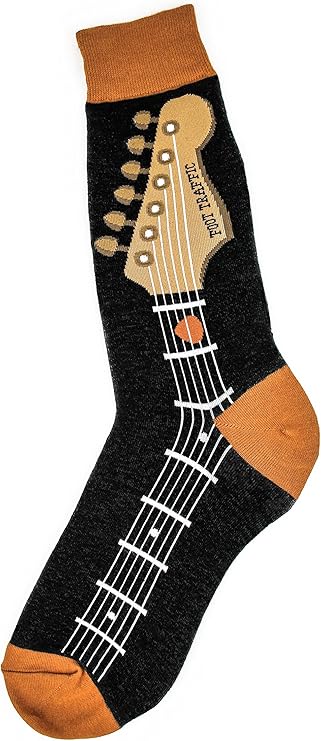
Foot Traffic Men's Music-Themed Socks, Guitar Neck
Amazon ↗
Merch
Foot Traffic Men's
Foot Traffic Men's Music-Themed Socks, Guitar Neck
Amazon ↗
 T-Shirt
Faith No More
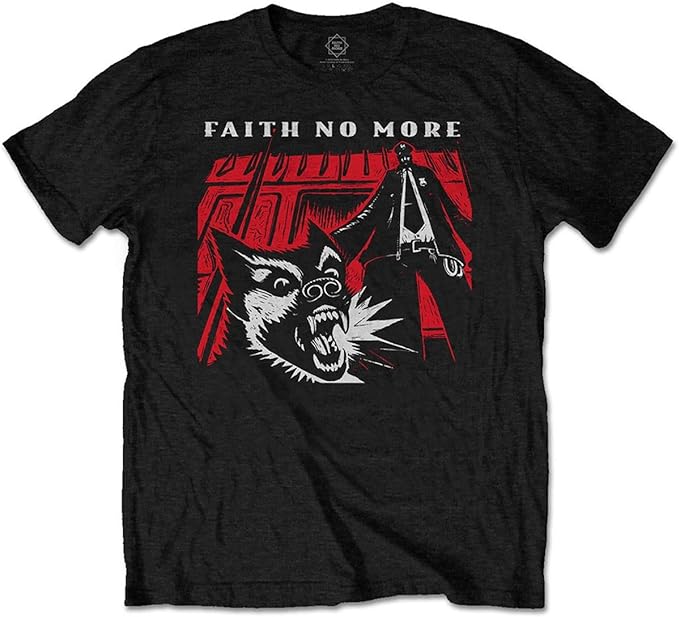
Rock Off Faith No More King for A Day Soft Slim Fit T-Shirt
Amazon ↗
T-Shirt
Faith No More
Rock Off Faith No More King for A Day Soft Slim Fit T-Shirt
Amazon ↗
 Vinyl
Iggy Pop
Iggy Pop — Lust for Life Vinyl
Amazon ↗
Vinyl
Iggy Pop
Iggy Pop — Lust for Life Vinyl
Amazon ↗
 CD
The Mamas & The Papas
The Mamas & The Papas Deliver
Amazon ↗
CD
The Mamas & The Papas
The Mamas & The Papas Deliver
Amazon ↗
 Hoodie
The Libertines
The Libertines Red Logo Sweatshirt
Amazon ↗
Hoodie
The Libertines
The Libertines Red Logo Sweatshirt
Amazon ↗
 Merch
Red Hot Chili Peppers
Red Hot Chili Peppers Embroidered Logo Black Colorway Adjustable Snapback Hat
Amazon ↗
Merch
Red Hot Chili Peppers
Red Hot Chili Peppers Embroidered Logo Black Colorway Adjustable Snapback Hat
Amazon ↗
 T-Shirt
Sonic Youth
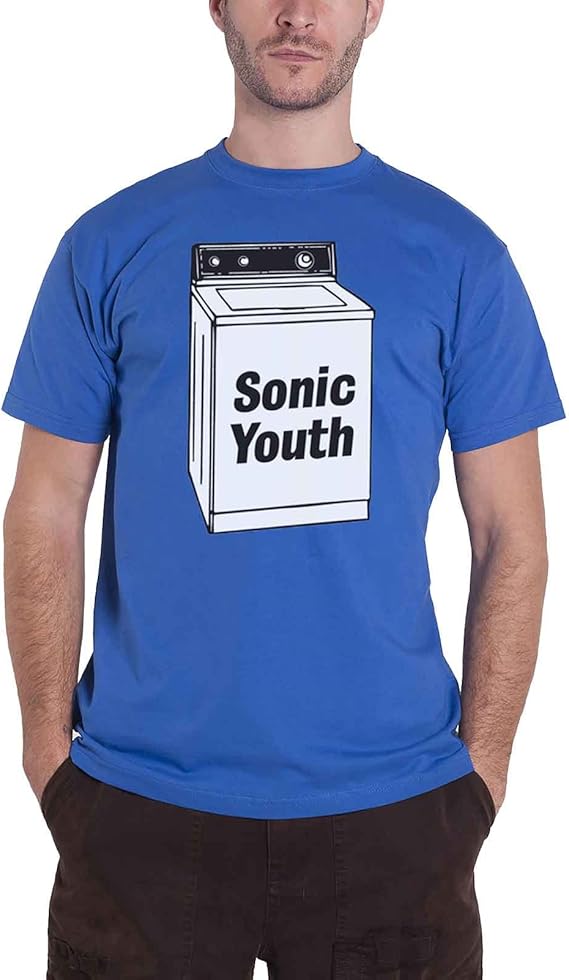
Sonic Youth 'Washing Machine' T-Shirt
Amazon ↗
T-Shirt
Sonic Youth
Sonic Youth 'Washing Machine' T-Shirt
Amazon ↗
 Vinyl
Madonna
Erotica - Madonna
Amazon ↗
Vinyl
Madonna
Erotica - Madonna
Amazon ↗
 CD
Bob Dylan
Bob Dylan — Highway 61 Revisited
Amazon ↗
CD
Bob Dylan
Bob Dylan — Highway 61 Revisited
Amazon ↗
 Hoodie
Lenny Kravitz
Lenny Kravitz Let Love Rule Photo Pullover Hoodie
Amazon ↗
Hoodie
Lenny Kravitz
Lenny Kravitz Let Love Rule Photo Pullover Hoodie
Amazon ↗
 Merch
Foo Fighters
Foo Fighters 'FF Logo'
Amazon ↗
Merch
Foo Fighters
Foo Fighters 'FF Logo'
Amazon ↗
 T-Shirt
Joy Division
Joy Division Classic Closer White Official Tee T-Shirt Mens Unisex
Amazon ↗
T-Shirt
Joy Division
Joy Division Classic Closer White Official Tee T-Shirt Mens Unisex
Amazon ↗
 Vinyl
Madonna
Ray of Light
Amazon ↗
Vinyl
Madonna
Ray of Light
Amazon ↗
 CD
The Libertines
The Libertines
Amazon ↗
CD
The Libertines
The Libertines
Amazon ↗
 Hoodie
Bob Dylan
Bob Dylan - Blood On The Tracks Pullover Hoodie
Amazon ↗
Hoodie
Bob Dylan
Bob Dylan - Blood On The Tracks Pullover Hoodie
Amazon ↗
 Merch
Music Guitar Table
Music Guitar Table Lamp Art Decor Guitar Stuff Cool Gifts for Music Art Lovers
Amazon ↗
Merch
Music Guitar Table
Music Guitar Table Lamp Art Decor Guitar Stuff Cool Gifts for Music Art Lovers
Amazon ↗
 T-Shirt
Rory Gallagher
Rory Gallagher Men's Photo-Finish T-Shirt Black
Amazon ↗
T-Shirt
Rory Gallagher
Rory Gallagher Men's Photo-Finish T-Shirt Black
Amazon ↗
 Vinyl
Nine Inch Nails
Hesitation Marks
Amazon ↗
Vinyl
Nine Inch Nails
Hesitation Marks
Amazon ↗
 CD
Boyz II Men
II DTS Surround Sound Edition by Boyz II Men (1997) Audio CD
Amazon ↗
CD
Boyz II Men
II DTS Surround Sound Edition by Boyz II Men (1997) Audio CD
Amazon ↗
 Hoodie
Oasis
Oasis Definitely Maybe T-Shirt
Amazon ↗
Hoodie
Oasis
Oasis Definitely Maybe T-Shirt
Amazon ↗
 Merch
Onebttl Cup Music
Onebttl Cup Music Lover Gifts (Black)
Amazon ↗
Merch
Onebttl Cup Music
Onebttl Cup Music Lover Gifts (Black)
Amazon ↗
 T-Shirt
Duran Duran
American Classics Duran Duran T-Shirt
Amazon ↗
T-Shirt
Duran Duran
American Classics Duran Duran T-Shirt
Amazon ↗
 Vinyl
Madonna
Like a Virgin - Exclusive Limited Edition
Amazon ↗
Vinyl
Madonna
Like a Virgin - Exclusive Limited Edition
Amazon ↗
 CD
Nine Inch Nails
Hesitation Marks Deluxe Version
Amazon ↗
CD
Nine Inch Nails
Hesitation Marks Deluxe Version
Amazon ↗
 Merch
Nirvana
Nirvana - In Utero Tour
Amazon ↗
Merch
Nirvana
Nirvana - In Utero Tour
Amazon ↗
 T-Shirt
Womens Doobie Retro
Womens Doobie Retro Hipster Design for Cool People V-Neck T-Shirt
Amazon ↗
T-Shirt
Womens Doobie Retro
Womens Doobie Retro Hipster Design for Cool People V-Neck T-Shirt
Amazon ↗
 Vinyl
Lenny Kravitz
Black and White America Black Rocktober 2025) Vinyl
Amazon ↗
Vinyl
Lenny Kravitz
Black and White America Black Rocktober 2025) Vinyl
Amazon ↗
 CD
The Mamas & The Papas
If You Can Believe Your Eyes And Ears
Amazon ↗
CD
The Mamas & The Papas
If You Can Believe Your Eyes And Ears
Amazon ↗
 Merch
Oasis
Oasis Decca Logo Definitely Maybe Reversible Ex-Tour Bucket Hat Black
Amazon ↗
Merch
Oasis
Oasis Decca Logo Definitely Maybe Reversible Ex-Tour Bucket Hat Black
Amazon ↗
 T-Shirt
INTO THE AM Graphic Tshirts for Men S
INTO THE AM Graphic Tshirts for Men S - 4XL Cool Edgy Trippy Design Casual Tees Streetwear Skeleton Skull
Amazon ↗
T-Shirt
INTO THE AM Graphic Tshirts for Men S
INTO THE AM Graphic Tshirts for Men S - 4XL Cool Edgy Trippy Design Casual Tees Streetwear Skeleton Skull
Amazon ↗
 Vinyl
The Libertines
The Libertines
Amazon ↗
Vinyl
The Libertines
The Libertines
Amazon ↗
 Merch
Nirvana
Nirvana T Shirt Unplugged
Amazon ↗
Merch
Nirvana
Nirvana T Shirt Unplugged
Amazon ↗
 T-Shirt
Jimi Hendrix
Jimi Hendrix 1960's Psychedelic Musical Icon USA Flag Distressed T-Shirt Tee
Amazon ↗
T-Shirt
Jimi Hendrix
Jimi Hendrix 1960's Psychedelic Musical Icon USA Flag Distressed T-Shirt Tee
Amazon ↗

Hybrid
February 10, 2003
Synth-pop, new wave, electronica, industrial rock, electronic rock, post-punk

Hybrid CD #1
February 10, 2003
Synth-pop, new wave, electronica, industrial rock, electronic rock, post-punk

Pure
November 07, 2000
Industrial rock, industrial metal, gothic rock

Exile
October 20, 1997
Industrial rock, gothic rock

Sacrifice
October 24, 1994
Industrial Rock, Darkwave, Gothic Rock

Outland
March 18, 1991
Funk, pop rock, synthpop, industrial rock, new wave

Automatic (Sharpe & Numan album)
June 22, 1989
Synthpop, new wave
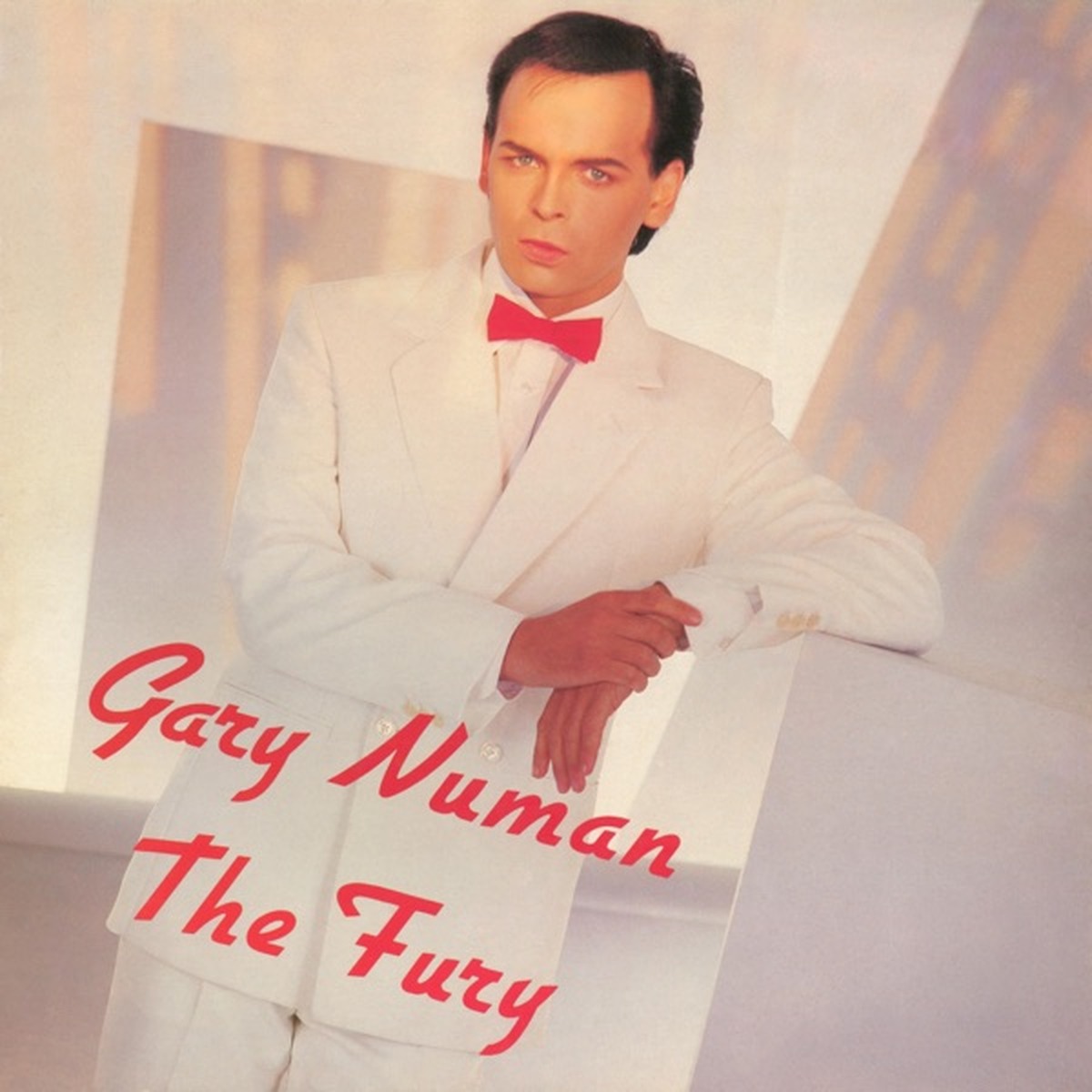
The Fury
September 16, 1985
Synth-pop, funk rock, new wave, industrial rock, dark wave

Berserker
November 09, 1984
Electronic rock, industrial rock, new wave, funk rock, synth-pop, hard rock

Warriors
September 16, 1983
New wave, experimental, funk, jazz fusion, industrial rock, synth-pop

I, Assassin
September 10, 1982
New wave, experimental music, funk, synth-pop

Dance
September 04, 1981
Experimental music, new wave, ambient, jazz fusion, synth-pop
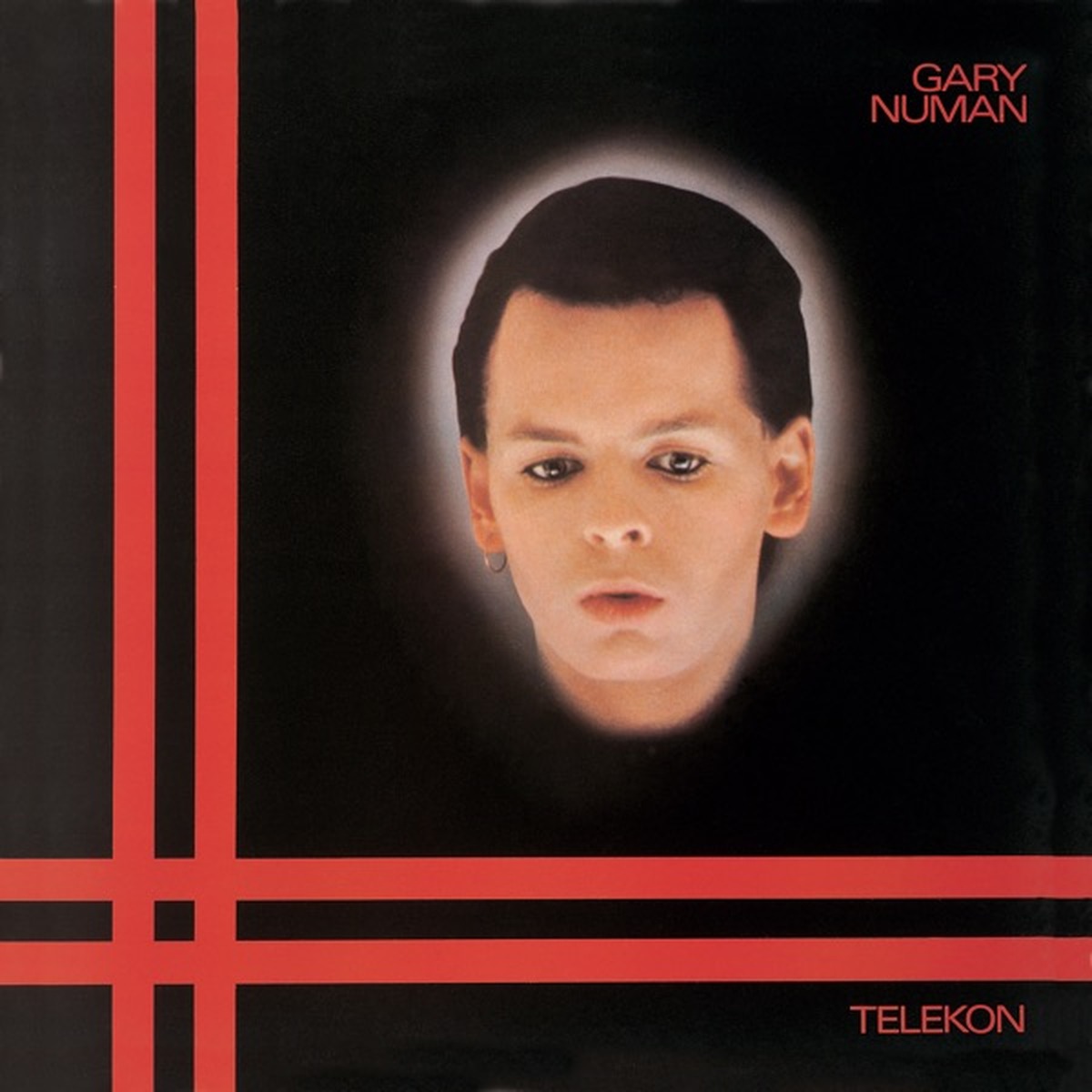
Telekon
September 05, 1980
New wave, electronic, synth-pop

The Pleasure Principle
September 07, 1979
Synth-pop, electropop, new wave, electronica, post-punk
Musicians / Members connected to Gary Numan

FAQ about Gary Numan
What genre is Gary Numan?
Gary Numan is commonly associated with Electronic, synth-pop, industrial.
Where is Gary Numan from?
Gary Numan is from Hammersmith, London, England.
How many albums by Gary Numan are listed on musicOnOff?
musicOnOff currently lists 18 albums by Gary Numan.
