Frank Zappa
Overview
Frank Zappa was an American musician, composer, and bandleader known for his eclectic and highly prolific musical output. During a career spanning more than 30 years, Zappa released over 60 albums and produced music that spanned a wide range of genres including rock, jazz, classical, and experimental music. His work was characterized by its non-conformity, creativity, and the blending of musical styles. As a guitarist, his virtuosic abilities and distinctive playing style became a hallmark of his music. Zappa was not only an artist but also a satirist, often using his lyrics to critique politics, societal norms, and censorship.
Born on December 21, 1940, in Baltimore, Maryland, Zappa moved to California with his family during his teen years, which significantly influenced his future endeavors in music. He developed a passion for music as a child and was particularly interested in classical and avant-garde composers, which would later manifest in his own compositions. Zappa was also deeply influenced by the burgeoning 1960s rock scene in California, which he often parodied and critiqued in his work.
Zappa's career took off with his band The Mothers of Invention, which showcased his innovative approach to music and his penchant for challenging societal norms. Despite achieving considerable commercial success, Zappa maintained his independence by founding his own record label and maintaining creative control over his work. This independence allowed him to explore diverse musical styles, reinforcing his reputation as one of the most innovative and individualistic figures in modern music.
Zappa passed away on December 4, 1993, from prostate cancer, leaving behind a significant legacy in the music world. He is remembered not only for his groundbreaking music but also for his role as a fierce advocate for artistic freedom and his critical stance on political and social issues. Today, Zappa's work continues to influence a wide array of artists across multiple genres, proving his music's enduring appeal and innovative spirit.
Formation and Early Years
Zappa's journey into music began early in his life. Growing up in an Italian-American household, Zappa was exposed to a wide variety of musical influences from a young age. His father was a chemist and mathematician, and the family moved frequently, eventually settling in Lancaster, California. This setting provided a fertile ground for Zappa's burgeoning interest in music. As a high school student, Zappa began playing the drums and later took up the guitar, which would become his primary instrument.
Zappa's early musical interests were eclectic, encompassing doo-wop, R&B, and the works of avant-garde composers such as Edgard Varèse, Igor Stravinsky, and Anton Webern. He was also heavily influenced by the burgeoning rhythm and blues scene of the 1950s. Zappa's early bands explored these eclectic influences, laying the groundwork for his future musical endeavors. In his late teens, Zappa began composing music more seriously and took a keen interest in recording technology, which would later play a vital role in his sophisticated production techniques.
In the early 1960s, Zappa became involved in the burgeoning Los Angeles music scene. He wrote and produced soundtracks for low-budget films and even ran a recording studio called Studio Z. Through these interactions, Zappa built connections that would help him form The Mothers of Invention, his first major band. Initially called The Soul Giants, the band was renamed by Zappa upon his arrival.
The formation of The Mothers of Invention marked a turning point in Zappa's career. The band's debut album 'Freak Out!' in 1966 was a groundbreaking double LP that blended rock music with experimental and satirical elements, immediately setting Zappa apart from his contemporaries. The Mothers were known for their unconventional and theatrical live performances that often featured elaborate stage settings and satirical humor.
Career Highlights
Frank Zappa's career includes numerous highlights that illustrate his impact on the music industry. Following the success of 'Freak Out!', Zappa quickly established himself as a prolific artist, releasing a steady stream of albums throughout the 1960s and 1970s. His compositions frequently combined complex music arrangements with satirical and often controversial lyrics, taking aim at popular culture and societal issues.
One of Zappa's most acclaimed works from this period is the 1969 album 'Hot Rats', credited with pioneering the jazz fusion genre. The album, primarily instrumental, showcased Zappa's guitar work and his ability to blend rock with jazz elements. Another significant release was the 1971 album 'Live at the Fillmore East, June 1971', capturing the energy of Zappa's live performances and The Mothers' technical prowess. In the mid-70s, Zappa scored his biggest commercial success with the album 'Apostrophe', featuring the humorous single "Don't Eat the Yellow Snow".
Zappa was also notable for his battles against censorship, particularly with the Parents Music Resource Center (PMRC) in the 1980s. He testified before the United States Congress, fiercely defending the right to free speech and advocating against the labeling of music content. This highlighted Zappa's commitment to artistic freedom and his strong views on government intervention in art.
Throughout his career, Zappa worked with an impressive array of musicians and featured an ever-evolving lineup of band members. Notable collaborators included virtuoso artists like Steve Vai, Terry Bozzio, and George Duke, among others. Zappa's insistence on high standards and technical proficiency pushed his band members to reach new artistic heights, further contributing to his legacy.
Musical Style
Frank Zappa's musical style defies easy categorization, as he drew from a wide array of genres including rock, jazz, classical, and avant-garde music. His compositions often featured complex time signatures, abrupt tempo changes, and sophisticated arrangements, showcasing his deep understanding of music theory and composition. Zappa's inventive guitar work became one of his trademarks, characterized by intricate solos and a distinctive tone.
Zappa's approach to lyrics was similarly unconventional. He was a keen satirist who often used humor and irony to critique and comment on societal norms, politics, and popular culture. Songs like "Bobby Brown Goes Down" and "Valley Girl" reflect his sharp wit and ability to weave storytelling with music. This irreverent style became a hallmark of his music, attracting a dedicated fanbase while also drawing criticism from some quarters.
In addition to rock and pop influences, Zappa's work was deeply rooted in classical and experimental music traditions. His orchestral compositions, such as those on 'The Yellow Shark' and 'Orchestral Favorites', highlight his ability to seamlessly bridge the gap between high art and popular music. Furthermore, Zappa's interest in studio technology and production techniques led him to experiment with sound manipulation and multi-track recording, contributing to a legacy of innovative production practices.
Despite his complex and often challenging music, Zappa's work managed to resonate with audiences worldwide. His fearless pursuit of originality and refusal to conform set him apart from his peers, earning him a reputation as a maverick in the music industry. Even today, Zappa's music continues to inspire musicians who seek to push the boundaries of genre and form.
Most Important Albums
Frank Zappa's discography is extensive, with numerous albums that have left a lasting impact on the music world. His debut album with The Mothers of Invention, 'Freak Out!', is often cited as one of the first concept albums in rock music and set the stage for Zappa's future endeavors. Its blend of rock, doo-wop, and experimental sounds showcased Zappa's diverse influences and willingness to break norms.
'Hot Rats', released in 1969, is another milestone in Zappa's career, representing his first strictly solo album and a major foray into jazz fusion. The album's experimental sound and use of multi-track recording were groundbreaking at the time, securing its place as a critical favorite. Songs like "Peaches en Regalia" continue to be celebrated for their intricate arrangements and are often considered entry points for new listeners.
'Apostrophe', released in 1974, became Zappa's highest-charting album in the United States, partly due to the popularity of the track "Don't Eat the Yellow Snow". This album demonstrated Zappa's commercial appeal without sacrificing his unique artistic vision. Another notable work is 'Over-Nite Sensation', which further solidified Zappa's reputation for blending humor with complex music compositions.
Towards the end of his career, 'The Yellow Shark', released in 1993, received critical acclaim and features Zappa's orchestral compositions performed by the Ensemble Modern. This album serves as a testament to Zappa's lifelong dedication to both rock and orchestral music, affirming his ability to transcend genres and create sophisticated works that are appreciated by a wide audience. Collectively, these albums reinforce Zappa's status as a pioneering artist who continually pushed the boundaries of music.
Legacy and Influence
Frank Zappa's legacy extends far beyond his extensive body of work. As a pioneer of avant-garde and experimental music, Zappa's influence is evident in various musical genres. Artists from diverse backgrounds, including rock, jazz, and classical music, cite Zappa as an inspiration for his fearless originality and technical mastery.
One of Zappa's most significant contributions is his role in challenging censorship in music. His vocal opposition to the PMRC and his testimonies before Congress in the 1980s left a lasting impact on the discourse surrounding music censorship and freedom of expression. Zappa's advocacy for artistic freedom resonates today, inspiring musicians to resist censorship and maintain control over their creative output.
Zappa's approach to genre-blending and his use of unconventional song structures serve as a blueprint for progressive and experimental musicians. Bands like Primus, Phish, and Dream Theater have acknowledged Zappa's influence on their music. His complex compositions and satirical lyrics continue to inspire artists who seek to push musical boundaries and challenge societal norms.
In addition to his musical legacy, Zappa's forward-thinking business practices, such as maintaining his independence from major record labels, set a precedent for artists seeking creative autonomy. His ability to navigate the music industry on his own terms remains a model for musicians advocating for their rights and interests. Ultimately, Frank Zappa's legacy is one of innovation, fearlessness, and a steadfast commitment to artistic integrity. His work continues to be celebrated by fans and musicians alike, ensuring that his influence will endure for generations to come.
Albums by Frank Zappa

Buffalo (Frank Zappa album)
April 01, 2007
Rock, progressive rock, blues, experimental, jazz, fusion, classical, pop, avan…

Guitar (Frank Zappa album)
April 26, 1988
Instrumental rock, hard rock, jazz fusion, progressive rock

Frank Zappa Meets the Mothers of Prevention
November 21, 1985
Electronic, experimental, sound collage

Francesco Zappa
November 21, 1984
Chamber music, electronic

London Symphony Orchestra (Zappa albums)
June 09, 1983
20th-century classical

The Man from Utopia
March 28, 1983
Hard rock, progressive rock, art rock, comedy rock

Ship Arriving Too Late to Save a Drowning Witch
May 03, 1982
Hard rock, comedy rock, progressive rock, art rock

You Are What You Is
September 23, 1981
Rock, comedy, blues

Joe's Garage
September 17, 1979
Rock

Orchestral Favorites
May 04, 1979
Symphonic rock

Sheik Yerbouti
March 03, 1979
Experimental rock, comedy rock

Sleep Dirt
January 19, 1979
Jazz fusion, progressive rock
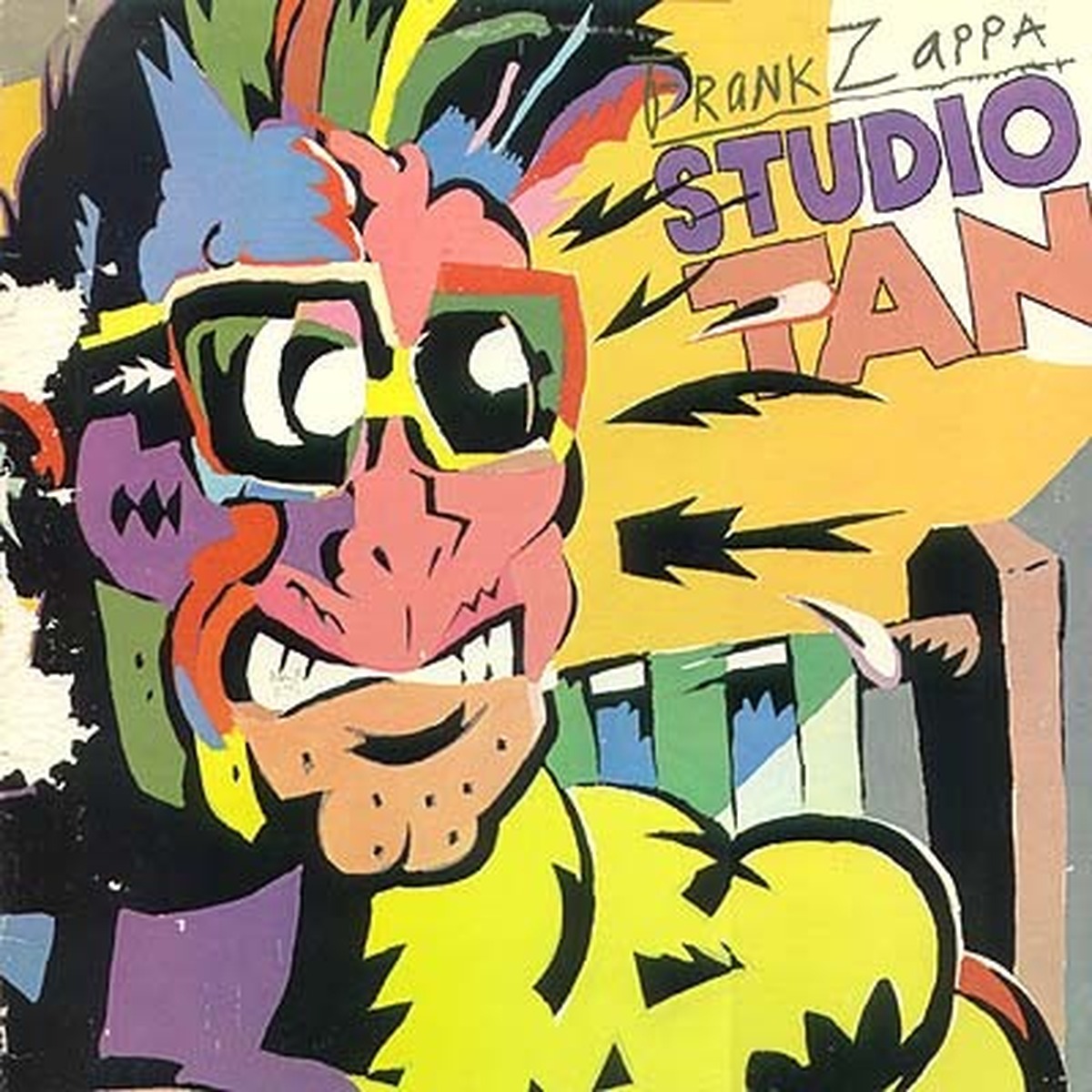
Studio Tan
September 15, 1978
Jazz fusion

Zappa in New York
March 03, 1978
Jazz fusion, comedy rock, hard rock, progressive rock

One Size Fits All (Frank Zappa album)
June 25, 1975
Progressive rock, jazz fusion

Apostrophe (')
March 22, 1974
Jazz fusion, progressive rock

Waka/Jawaka
July 05, 1972
Jazz fusion, progressive rock, big band

200 Motels
October 04, 1971
Avant-garde, comedy rock, experimental

Fillmore East – June 1971
August 02, 1971
Comedy rock, jazz rock
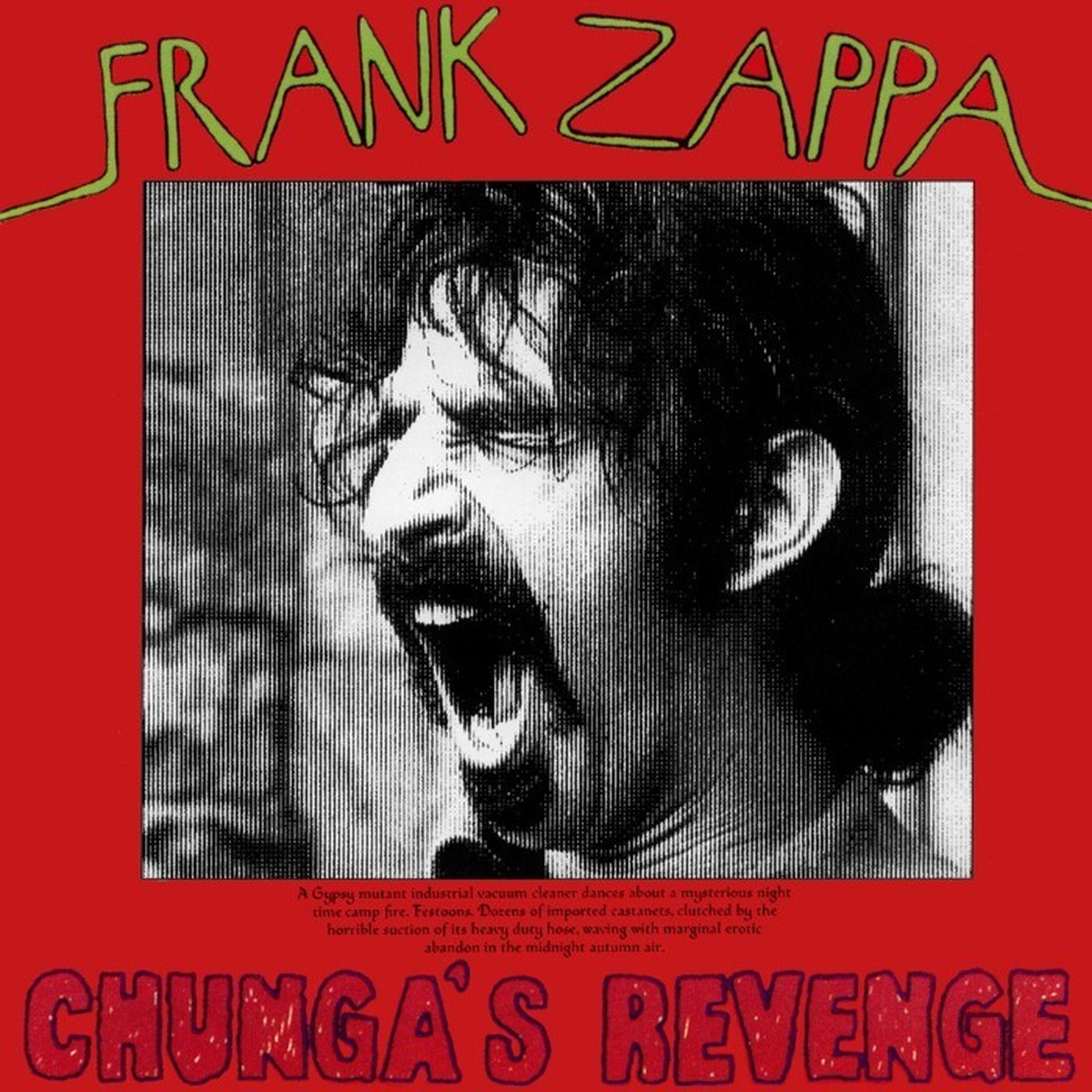
Chunga's Revenge
October 23, 1970
Jazz fusion

Hot Rats
October 10, 1969
Jazz fusion, blues rock, instrumental rock

Lumpy Gravy
May 13, 1968
Sound collage, orchestral, musique concrète, experimental rock
Musicians / Members connected to Frank Zappa


FAQ about Frank Zappa
What genre is Frank Zappa?
Frank Zappa is commonly associated with Rock, Progressive Rock, Jazz Fusion, Avant-garde, Classical, Experimental.
Where is Frank Zappa from?
Frank Zappa is from Baltimore, Maryland, United States.
How many albums by Frank Zappa are listed on musicOnOff?
musicOnOff currently lists 22 albums by Frank Zappa.
