EMF
Overview
EMF, a British alternative rock band, emerged in the early 1990s and quickly became a significant presence in the music scene. Their sound, characterized by a fusion of alternative rock and electronic elements, appealed to a wide audience, leading to their rapid ascent in international charts. Known for their energetic performances and catchy hooks, EMF made a lasting impression with their innovative approach to the genre. The band's name, EMF, has been said to stand for 'Epsom Mad Funkers,' a term which reflects their eclectic and high-energy style. Despite their early success, EMF faced various challenges, including lineup changes and shifts in the musical landscape, which ultimately affected their longevity in the spotlight. However, their influence on the alternative and electronic rock scenes remains palpable even today.
Formation and Early Years
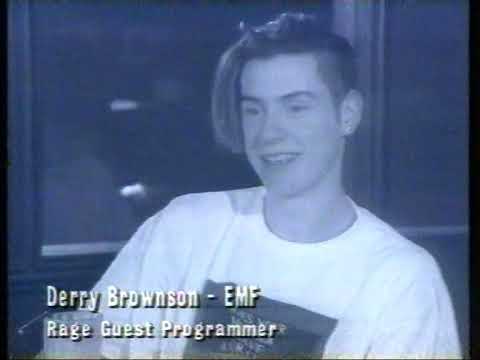
EMF was formed in Cinderford, a small town in the Forest of Dean, Gloucestershire, England, in 1989. The band's origin is rooted in the shared musical vision of several friends who sought to create something distinctive in the burgeoning alternative scene of the late 1980s. Frontman James Atkin, guitarist Ian Dench, bassist Zac Foley, drummer Mark Decloedt, and keyboardist Derry Brownson comprised the original lineup. Their initial jam sessions and local gigs quickly garnered attention for their unique sound and compelling stage presence. Early on, EMF experimented with blending traditional rock instrumentation with electronic influences, creating a refreshing sound that stood out amidst the popular genres of the time. The band's early efforts at local clubs and venues helped them hone their craft and develop a fan base, setting the stage for their eventual breakthrough on a larger scale.
Career Highlights
EMF catapulted to fame with their debut single, 'Unbelievable,' released in 1990. The track's infectious beat and catchy lyrics struck a chord with audiences worldwide, reaching number one on the US Billboard Hot 100 chart and making the top 10 in several other countries. The success of 'Unbelievable' opened doors for EMF, earning them critical acclaim and numerous opportunities to tour and perform internationally. Their debut album, 'Schubert Dip,' released in 1991, further cemented their status as rising stars in the music industry. The album showcased the band's versatility and knack for creating memorable tracks, with songs like 'I Believe' and 'Children' receiving significant airplay and fan attention. The band followed up with their second album, 'Stigma,' in 1992, which, while not as commercially successful as their debut, demonstrated their willingness to explore darker and more complex themes in their music. This commitment to evolving their sound and pushing boundaries kept EMF relevant throughout the early 1990s.
Musical Style
EMF's musical style is best described as an eclectic mix of alternative rock, dance-pop, and electronic music. Their ability to combine rock with danceable electronic elements set them apart from many of their contemporaries. The use of sampling and innovative production techniques became a hallmark of their sound, allowing them to create music that was both energetic and accessible. James Atkin's distinctive vocal style, coupled with Ian Dench's intricate guitar work, provided a solid foundation for the band's sound, while the rhythm section of Foley and Decloedt added a dynamic pulse that drove their tracks. The band's willingness to experiment with different styles and incorporate a broad range of influences contributed to their unique sound.
Most Important Albums
EMF's debut album, 'Schubert Dip,' remains their most iconic release, significantly impacting the early 1990s music scene. The album's blend of catchy singles and deep cuts captured the attention of both fans and critics, establishing EMF as a definitive voice within their genre. Tracks like 'Unbelievable' and 'I Believe' became anthems for a generation, encapsulating the youthful exuberance and innovation that defined EMF's approach. Their second album, 'Stigma,' marked a departure from the pop-centric feel of their debut, delving into darker and more introspective territory. Despite not replicating the commercial success of 'Schubert Dip,' 'Stigma' revealed the band's depth and artistic ambitions. EMF continued to refine their sound with subsequent releases, though none matched the groundbreaking impact of their initial efforts.
Legacy and Influence
EMF's influence on the alternative rock and electronic music scenes is undeniable, as they helped pave the way for other artists looking to blend these genres. Their early success showed that fans were open to hybrid sounds, and their willingness to experiment set a precedent for other bands that emerged in the 1990s and beyond. While EMF's time at the forefront of popular music was relatively brief, their impact continues to be felt as new generations discover their innovative approach to music-making. In addition to their musical contributions, EMF remains a cultural touchstone for many, emblematic of a specific era in music history characterized by boundless creativity and genre-blurring experimentation.
Albums by EMF


Musicians / Members connected to EMF

FAQ about EMF
What genre is EMF?
EMF is commonly associated with Alternative rock, Electronic rock, Dance-rock.
Where is EMF from?
EMF is from Cinderford, Gloucestershire, England.
How many albums by EMF are listed on musicOnOff?
musicOnOff currently lists 5 albums by EMF.
