Chuck Berry
Overview
Charles Edward Anderson Berry, better known as Chuck Berry, was an American singer, songwriter, and one of the pioneering figures of rock and roll music. Born on October 18, 1926, in St. Louis, Missouri, Berry's innovative style and flair brought a new sound to the forefront of American music. His music is noted for its blend of rhythm and blues with elements of rock, creating a distinct sound that would influence generations of musicians. Berry's lyricism often focused on themes of teen life and consumerism, delivered in a rhythmic and captivating manner that contributed significantly to the music of the 1950s and beyond. Unlike many of his contemporaries, Berry wrote most of his songs himself, which not only showcased his songwriting prowess but also helped form the identity of rock music. Berry's introduction of the electric guitar as a lead instrument in rock music was groundbreaking and gave rise to the guitar-driven style of rock and roll. Chuck Berry's career spanned several decades, during which he became a seminal figure in the development of rock music, often referred to as the 'Father of Rock and Roll.' He remained a prominent figure not only through his recordings but also through his dynamic stage performances and enduring hits such as 'Johnny B. Goode,' 'Roll Over Beethoven,' and 'Maybellene.' Berry's impact on the music industry is profound, as his work laid the foundations for the future sounds and directions of rock music.
Formation and Early Years
Chuck Berry was born into a middle-class African-American family in St. Louis, Missouri. His early life was influenced by the vibrant musical culture of the city, which was a melting pot of blues, jazz, and gospel music. As a young boy, Berry showed an interest in music and began singing in the church choir. During his high school years at Sumner High School, Berry developed a love for the guitar, inspired by the sounds of blues artists like Muddy Waters and Nat King Cole. He gave his first public performance at his school's talent show, which spurred him to pursue music more seriously. After encountering some troubles in his youth, which led to a stint in a reformatory, Berry returned to St. Louis and worked in various jobs. However, his passion for music never waned, and he often performed at local clubs. By the early 1950s, Berry had established himself as a well-known performer in the St. Louis club scene, where he honed his unique style that combined blues, country, and boogie-woogie influences. His reputation as an entertainer grew, and in 1955, he was introduced to Muddy Waters, who suggested he contact Chess Records. This meeting would prove to be a pivotal moment in Berry's career, as it led to a recording contract and his first major hit, 'Maybellene.'
Career Highlights
Chuck Berry's career is marked by a series of significant milestones that solidified his place in rock and roll history. After signing with Chess Records in 1955, Berry released 'Maybellene,' which quickly climbed the charts and marked the beginning of his rise to fame. This song exemplified Berry's skill at merging different musical styles into a single cohesive sound. Over the next few years, Berry released a string of hits that became rock and roll standards, including 'Roll Over Beethoven,' 'Rock and Roll Music,' and 'Johnny B. Goode.' Each of these songs showcased Berry's knack for catchy melodies, rhythmic guitar riffs, and relatable lyrics that resonated with a teenage audience. Berry's influence extended beyond his recordings; his live performances were known for their energy and showmanship, including his signature 'duck walk,' which became an iconic stage move. In the late 1950s and early 1960s, Berry's career faced several challenges, including legal issues that resulted in a prison sentence. However, he made a successful comeback in the mid-1960s with new recordings and tours. Throughout his career, Berry received numerous accolades and was inducted into the Rock and Roll Hall of Fame in 1986. He continued to perform well into his later years, solidifying his legacy as a pioneer who helped shape the landscape of popular music.
Musical Style
Chuck Berry's musical style is celebrated for its blending of rhythm and blues with country, creating a sound that was accessible to a diverse audience. Berry was known for his distinctive guitar playing, which featured clear, cutting tones and innovative techniques such as double stops and rapid-fire solos. His guitar work laid the groundwork for future generations of rock guitarists, influencing legends such as Jimi Hendrix, Keith Richards, and Eric Clapton. Berry's songs often featured a straightforward, driving rhythm, with a strong backbeat that made them ideal for dancing. Lyrically, Berry had a gift for storytelling, crafting songs that captured the spirit of post-war America and the optimism of the youth. His lyrics often revolved around themes of cars, love, and teenage angst, offering a snapshot of American life during the 1950s. Another key element of Berry's style was his ability to take everyday experiences and infuse them with wit and humor, making his songs relatable and memorable. Berry's ability to craft songs that were both musically and lyrically engaging helped establish the blueprint for rock and roll music.
Most Important Albums
While Chuck Berry released numerous albums throughout his career, a few stand out as particularly influential. 'Chuck Berry Is on Top,' released in 1959, is one of his most celebrated albums, featuring classics such as 'Johnny B. Goode' and 'Roll Over Beethoven.' This album is often hailed as a quintessential rock and roll record, showcasing Berry's songwriting expertise and guitar prowess. Another significant album is 'St. Louis to Liverpool,' released in 1964, which marked his comeback after legal troubles. This album featured hits like 'No Particular Place to Go' and 'You Never Can Tell,' reinforcing Berry's status as a rock and roll icon. 'The Great Twenty-Eight,' a compilation album released in 1982, provides an excellent overview of Berry's career, featuring twenty-eight of his best songs from the 1950s to the early 1960s. This album is considered an essential collection, capturing the essence of Berry's contribution to music. Berry's ability to captivate audiences with his albums is a testament to his enduring talent and influence as one of rock music's foundational artists.
Legacy and Influence
Chuck Berry's legacy as the 'Father of Rock and Roll' is undisputed. His music has had a profound influence on the development of rock and roll and the emergence of popular music as a global phenomenon. Berry's pioneering approach to songwriting and his innovative guitar techniques have inspired countless musicians across various genres. Major artists, including The Beatles, The Rolling Stones, and Elvis Presley, have cited Berry as a significant influence on their music. His songs have been covered by numerous artists, further cementing his impact on the music industry. Berry's induction into the inaugural class of the Rock and Roll Hall of Fame in 1986 is a testament to his significance in music history. Beyond his musical contributions, Berry played a critical role in breaking down racial barriers in the music industry, paving the way for future African-American artists. Chuck Berry passed away on March 18, 2017, but his music continues to resonate with audiences worldwide, highlighting the timeless nature of his work and his enduring influence on generations of musicians. Berry's legacy is a testament to his genius as a musician and his pivotal role in shaping the course of popular music.
Albums by Chuck Berry

Chuck (Chuck Berry album)
June 09, 2017
Rock and roll

Rockit
December 23, 1979
Rock and roll

Bio
August 02, 1973
Rock and roll

Chuck Berry's Golden Decade
April 07, 1973
Rock
🛍 Shop Music
 Vinyl
Boyz II Men
Boyz II Men — II
Amazon ↗
Vinyl
Boyz II Men
Boyz II Men — II
Amazon ↗
 Hoodie
The Libertines
The Libertines Red Logo Sweatshirt
Amazon ↗
Hoodie
The Libertines
The Libertines Red Logo Sweatshirt
Amazon ↗
 Merch
Nirvana
Nirvana T Shirt Unplugged
Amazon ↗
Merch
Nirvana
Nirvana T Shirt Unplugged
Amazon ↗
 T-Shirt
Pink Floyd
Pink Floyd The Division Bell Album Rock Band T Shirt & Stickers
Amazon ↗
T-Shirt
Pink Floyd
Pink Floyd The Division Bell Album Rock Band T Shirt & Stickers
Amazon ↗
 CD
Lenny Kravitz
Black And White America CD
Amazon ↗
CD
Lenny Kravitz
Black And White America CD
Amazon ↗
 Merch
Music Guitar Table
Music Guitar Table Lamp Art Decor Guitar Stuff Cool Gifts for Music Art Lovers
Amazon ↗
Merch
Music Guitar Table
Music Guitar Table Lamp Art Decor Guitar Stuff Cool Gifts for Music Art Lovers
Amazon ↗
 T-Shirt
Nick Cave & the Bad Seeds
Nick Cave & the Bad Seeds - Bad Seed Scrawl T-Shirt
Amazon ↗
T-Shirt
Nick Cave & the Bad Seeds
Nick Cave & the Bad Seeds - Bad Seed Scrawl T-Shirt
Amazon ↗
 T-Shirt
Madness
Madness Men's One Step Beyond Album Cover Slim Fit T-Shirt
Amazon ↗
T-Shirt
Madness
Madness Men's One Step Beyond Album Cover Slim Fit T-Shirt
Amazon ↗
 CD
Nine Inch Nails
Hesitation Marks Deluxe Version
Amazon ↗
CD
Nine Inch Nails
Hesitation Marks Deluxe Version
Amazon ↗
 T-Shirt
Blur
Blur Leisure Blur Shadow T-Shirt
Amazon ↗
T-Shirt
Blur
Blur Leisure Blur Shadow T-Shirt
Amazon ↗
 Vinyl
Madonna
True Blue
Amazon ↗
Vinyl
Madonna
True Blue
Amazon ↗
 T-Shirt
Guns N' Roses
Guns N' Roses Official Bullet Logo T-Shirt
Amazon ↗
T-Shirt
Guns N' Roses
Guns N' Roses Official Bullet Logo T-Shirt
Amazon ↗
 T-Shirt
The Cure
The Cure Rock Off Official Merchandise Boys Don't Cry Rocker Biker Fashion Men's Black Cotton Short Sleeve Crew T-Shirt
Amazon ↗
T-Shirt
The Cure
The Cure Rock Off Official Merchandise Boys Don't Cry Rocker Biker Fashion Men's Black Cotton Short Sleeve Crew T-Shirt
Amazon ↗
 T-Shirt
Ramones
Ramones Men's 1st Album Cover T-Shirt Black
Amazon ↗
T-Shirt
Ramones
Ramones Men's 1st Album Cover T-Shirt Black
Amazon ↗
 T-Shirt
The B-52s
The B-52s - Album Cover T-Shirt
Amazon ↗
T-Shirt
The B-52s
The B-52s - Album Cover T-Shirt
Amazon ↗
 Vinyl
Oasis
Oasis Definitely Maybe Vinyl
Amazon ↗
Vinyl
Oasis
Oasis Definitely Maybe Vinyl
Amazon ↗
 T-Shirt
The Beatles
The Beatles Rubber Soul T-Shirt
Amazon ↗
T-Shirt
The Beatles
The Beatles Rubber Soul T-Shirt
Amazon ↗
 T-Shirt
Depeche Mode
SWEETEST PERFECTION - Red And White Design T-Shirt. Violator - Depeche Mode
Amazon ↗
T-Shirt
Depeche Mode
SWEETEST PERFECTION - Red And White Design T-Shirt. Violator - Depeche Mode
Amazon ↗
 CD
Bob Dylan
Bob Dylan — Highway 61 Revisited
Amazon ↗
CD
Bob Dylan
Bob Dylan — Highway 61 Revisited
Amazon ↗
 Hoodie
Leonard Cohen
Cohen Name Pullover Hoodie
Amazon ↗
Hoodie
Leonard Cohen
Cohen Name Pullover Hoodie
Amazon ↗
 T-Shirt
Jeff Beck
Jeff Beck - Wired Album T-Shirt
Amazon ↗
T-Shirt
Jeff Beck
Jeff Beck - Wired Album T-Shirt
Amazon ↗
 T-Shirt
CRIMSONS KING ARTWORK
CRIMSONS KING ARTWORK T-Shirt
Amazon ↗
T-Shirt
CRIMSONS KING ARTWORK
CRIMSONS KING ARTWORK T-Shirt
Amazon ↗
 T-Shirt
Radiohead
Radiohead A Moon Shaped Pool T-Shirt
Amazon ↗
T-Shirt
Radiohead
Radiohead A Moon Shaped Pool T-Shirt
Amazon ↗
 Merch
Red Hot Chili Peppers
Red Hot Chili Peppers Embroidered Logo Black Colorway Adjustable Snapback Hat
Amazon ↗
Merch
Red Hot Chili Peppers
Red Hot Chili Peppers Embroidered Logo Black Colorway Adjustable Snapback Hat
Amazon ↗
 T-Shirt
Beastie Boys
Beastie Boys Men's Bumble Bee Illustration T-Shirt White | Officially Licensed Merchandise
Amazon ↗
T-Shirt
Beastie Boys
Beastie Boys Men's Bumble Bee Illustration T-Shirt White | Officially Licensed Merchandise
Amazon ↗
 T-Shirt
Inspiral Carpets
inspiral carpets moo! T-Shirt
Amazon ↗
T-Shirt
Inspiral Carpets
inspiral carpets moo! T-Shirt
Amazon ↗
 T-Shirt
Simon Simple Simon
Simon Simple Simon Distressed T-Shirt
Amazon ↗
T-Shirt
Simon Simple Simon
Simon Simple Simon Distressed T-Shirt
Amazon ↗
 T-Shirt
Rory Gallagher
Rory Gallagher Men's Photo-Finish T-Shirt Black
Amazon ↗
T-Shirt
Rory Gallagher
Rory Gallagher Men's Photo-Finish T-Shirt Black
Amazon ↗
 T-Shirt
Fleetwood Mac
Fleetwood Mac Rumors T-Shirt
Amazon ↗
T-Shirt
Fleetwood Mac
Fleetwood Mac Rumors T-Shirt
Amazon ↗
 T-Shirt
Guitars Music Lover
Guitars Music Lover Funny Gift T-Shirt
Amazon ↗
T-Shirt
Guitars Music Lover
Guitars Music Lover Funny Gift T-Shirt
Amazon ↗
 T-Shirt
Rush
Rush 2112 Tour 1976 T-Shirt
Amazon ↗
T-Shirt
Rush
Rush 2112 Tour 1976 T-Shirt
Amazon ↗
 T-Shirt
Grunge Alternative zero
Grunge Alternative zero star 90s rock band music T-Shirt
Amazon ↗
T-Shirt
Grunge Alternative zero
Grunge Alternative zero star 90s rock band music T-Shirt
Amazon ↗
 Vinyl
The Mamas & The Papas
If You Can Believe Your Eyes And Ears
Amazon ↗
Vinyl
The Mamas & The Papas
If You Can Believe Your Eyes And Ears
Amazon ↗
 T-Shirt
Iron Maiden
Iron Maiden - The Trooper T-Shirt
Amazon ↗
T-Shirt
Iron Maiden
Iron Maiden - The Trooper T-Shirt
Amazon ↗
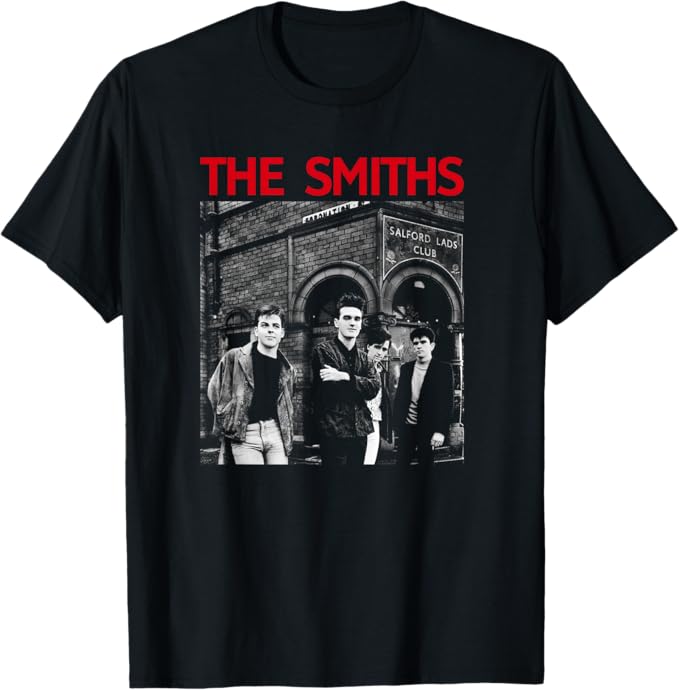 T-Shirt
The Smiths
The Smiths Salford Lads Club Manchester By Stephen Wright T-Shirt
Amazon ↗
T-Shirt
The Smiths
The Smiths Salford Lads Club Manchester By Stephen Wright T-Shirt
Amazon ↗
 T-Shirt
Joy Division
Joy Division Classic Closer White Official Tee T-Shirt Mens Unisex
Amazon ↗
T-Shirt
Joy Division
Joy Division Classic Closer White Official Tee T-Shirt Mens Unisex
Amazon ↗
 T-Shirt
Smashing Pumpkins
T-Shirt Unisex Smashing Pumpkins Adore
Amazon ↗
T-Shirt
Smashing Pumpkins
T-Shirt Unisex Smashing Pumpkins Adore
Amazon ↗
 T-Shirt
The Doors
The Doors Men's Simple Logo T-Shirt
Amazon ↗
T-Shirt
The Doors
The Doors Men's Simple Logo T-Shirt
Amazon ↗
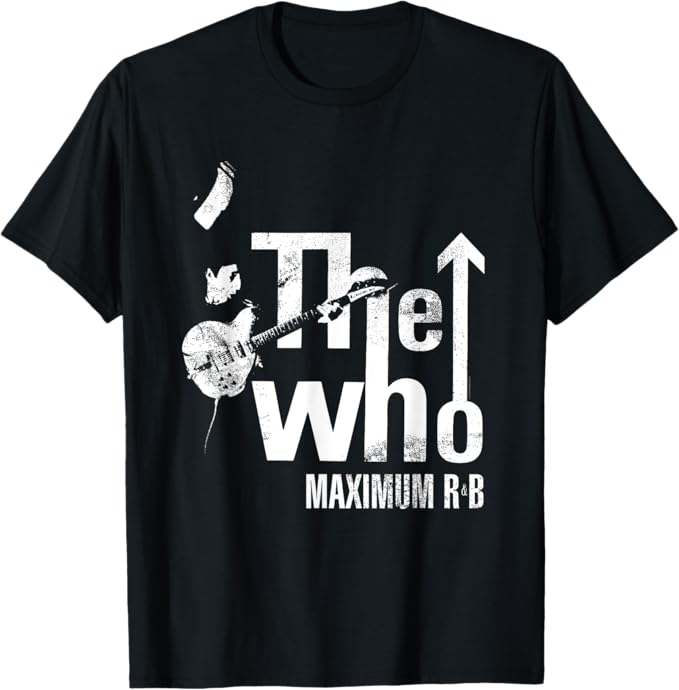 T-Shirt
The Who
The Who Official Maximum R&B Tour T-Shirt
Amazon ↗
T-Shirt
The Who
The Who Official Maximum R&B Tour T-Shirt
Amazon ↗
 Merch
Onebttl Cup Music
Onebttl Cup Music Lover Gifts (Black)
Amazon ↗
Merch
Onebttl Cup Music
Onebttl Cup Music Lover Gifts (Black)
Amazon ↗
 T-Shirt
Sex Pistols
Sex Pistols Official Union Jack Words T-Shirt
Amazon ↗
T-Shirt
Sex Pistols
Sex Pistols Official Union Jack Words T-Shirt
Amazon ↗
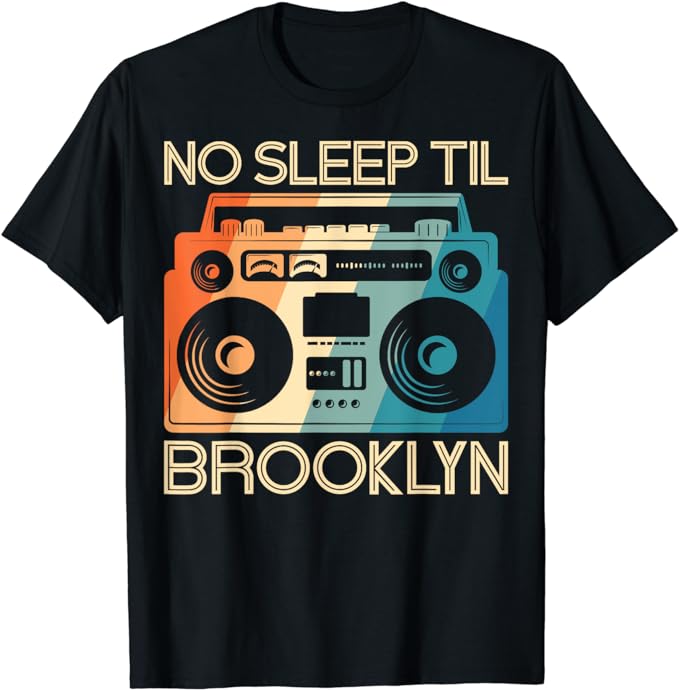 T-Shirt
Cool Retro No
Cool Retro No Sleep Til Brooklyn, Old School Portable Stereo T-Shirt
Amazon ↗
T-Shirt
Cool Retro No
Cool Retro No Sleep Til Brooklyn, Old School Portable Stereo T-Shirt
Amazon ↗
 T-Shirt
"Stayin' Alive" Vintage
"Stayin' Alive" Vintage 1970s classic Distressed T-Shirt
Amazon ↗
T-Shirt
"Stayin' Alive" Vintage
"Stayin' Alive" Vintage 1970s classic Distressed T-Shirt
Amazon ↗
 T-Shirt
AC/DC
AC/DC - Let There Be Rock T-Shirt
Amazon ↗
T-Shirt
AC/DC
AC/DC - Let There Be Rock T-Shirt
Amazon ↗
 T-Shirt
Love Zeppelin Proud
Love Zeppelin Proud Name Personalized Lovers Apparel Airship T-Shirt
Amazon ↗
T-Shirt
Love Zeppelin Proud
Love Zeppelin Proud Name Personalized Lovers Apparel Airship T-Shirt
Amazon ↗
 T-Shirt
U2
U2 'Rattle & Hum' Black Short Sleeve T-Shirt, Official, Unisex, Cotton, Pull On, Casual
Amazon ↗
T-Shirt
U2
U2 'Rattle & Hum' Black Short Sleeve T-Shirt, Official, Unisex, Cotton, Pull On, Casual
Amazon ↗
 T-Shirt
Rolling Stones
Rolling Stones Official Distressed Tongue T-Shirt
Amazon ↗
T-Shirt
Rolling Stones
Rolling Stones Official Distressed Tongue T-Shirt
Amazon ↗
 T-Shirt
Exclamation Records The
Exclamation Records The Discophiles Vinyl Record Collecting T-Shirt
Amazon ↗
T-Shirt
Exclamation Records The
Exclamation Records The Discophiles Vinyl Record Collecting T-Shirt
Amazon ↗
 T-Shirt
Womens Doobie Retro
Womens Doobie Retro Hipster Design for Cool People V-Neck T-Shirt
Amazon ↗
T-Shirt
Womens Doobie Retro
Womens Doobie Retro Hipster Design for Cool People V-Neck T-Shirt
Amazon ↗
 T-Shirt
Grateful Dead
Grateful Dead T-Shirt
Amazon ↗
T-Shirt
Grateful Dead
Grateful Dead T-Shirt
Amazon ↗

The London Chuck Berry Sessions
June 20, 1972
Rock and roll

Back Home
November 25, 1970
Rock and roll

Concerto in B. Goode
June 28, 1969
Rock and roll

From St. Louie to Frisco
November 03, 1968
Rock and roll

Chuck Berry in Memphis
August 08, 1967
Rock and roll

Chuck Berry's Golden Hits
March 21, 1967
Rock and roll

Fresh Berry's
November 12, 1965
Rock and roll

Chuck Berry in London
April 06, 1965
Rock and roll

St. Louis to Liverpool
November 07, 1964
Rock and roll

Chuck Berry on Stage
August 06, 1963
Rock and roll

Chuck Berry Twist
February 20, 1962
Rock and roll, rhythm and blues

New Juke Box Hits
March 20, 1961
Rock and roll

Rockin' at the Hops
July 20, 1960
Rock and roll

Chuck Berry Is on Top
July 08, 1959
Rock and roll

One Dozen Berrys
March 15, 1958
Rock and roll

After School Session
May 16, 1957
Rock and roll
Musicians / Members connected to Chuck Berry

FAQ about Chuck Berry
What genre is Chuck Berry?
Chuck Berry is commonly associated with Rock and roll, rhythm and blues.
Where is Chuck Berry from?
Chuck Berry is from St. Louis, Missouri, United States.
How many albums by Chuck Berry are listed on musicOnOff?
musicOnOff currently lists 20 albums by Chuck Berry.
