Chicago
Overview
Chicago is a legendary American rock band formed in 1967, renowned for its distinctive jazz-rock fusion sound and a large, ever-evolving lineup. The band has achieved global fame and commercial success, consistently producing chart-topping hits throughout the decades. Known for their love of brass instrumentation, Chicago has managed to seamlessly blend rock, pop, and jazz elements into their music, creating a unique and widely appealing sound. The band's longevity and influence are evident in its enduring popularity and continuous touring schedule, which has kept them in the public eye for over five decades.
The group initially gained recognition in the 1970s with a series of successful albums and singles that showcased their ability to experiment with different musical styles. They were among the first rock bands to infuse their music with a full brass section, making them a unique presence in the rock music scene of the time. Despite changes in the music industry and various lineup shifts, Chicago has managed to remain relevant, adapting their style while maintaining the core elements that made them famous. Their music often features complex arrangements and is characterized by a powerful blend of melodic tunes and cerebral lyrics.
Throughout their career, Chicago has grossed over 100 million records worldwide, making them one of the best-selling bands of all time. They've achieved numerous awards and accolades, including multiple Grammy Awards and induction into the Rock and Roll Hall of Fame in 2016. Their ability to evolve musically and connect with audiences across different generations has ensured their place in music history.
Chicago's success can also be attributed to their relentless touring and live performances, which continue to draw large crowds. The band's dedication to their craft and their fans has earned them a loyal following, and their music continues to be celebrated by old and new fans alike. Their extensive discography includes dozens of studio albums, live recordings, and compilations, which continue to be celebrated and discovered by music lovers around the world.
Formation and Early Years
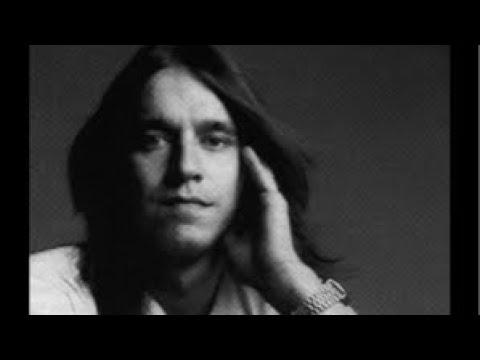
Chicago was founded in 1967 in the city of Chicago, Illinois, the brainchild of a group of students from DePaul University. Originally named 'The Big Thing,' the band was formed by saxophonist Walter Parazaider, guitarist Terry Kath, drummer Danny Seraphine, trumpeter Lee Loughnane, trombonist James Pankow, keyboardist Robert Lamm, and bassist Peter Cetera. Their shared passion for classical and contemporary jazz, which they infused with rock elements, set the foundation for what would become their trademark sound.
The band spent their early years honing their skills by playing at clubs and campus shows around the Chicago area. They quickly made a name for themselves with their energetic live performances and innovative sound, which blended rock and roll with brass-driven jazz elements. In 1968, they changed their name to 'Chicago Transit Authority' and relocated to Los Angeles, California, pursuing a record deal with Columbia Records.
Their self-titled debut album, 'Chicago Transit Authority,' released in 1969, was a double album that quickly gained attention for its experimental style and standout tracks like 'Does Anybody Really Know What Time It Is?' and 'Beginnings.' The album was a commercial success, earning the band critical acclaim and establishing their reputation as pioneers of the jazz-rock genre. However, due to a legal dispute with Chicago's actual transit authority, the band shortened their name to 'Chicago' in 1970.
The success of their first album set the stage for their rapid rise to fame throughout the 1970s. With a distinct sound and an ensemble approach that featured multiple lead vocalists and instrumental solos, Chicago continued to build a loyal fan base and explore new musical directions in their subsequent releases.
Career Highlights
Throughout the 1970s, Chicago achieved significant commercial success with a series of hit albums and singles. Their second album, 'Chicago II,' released in 1970, included the hit single '25 or 6 to 4,' which became one of their most enduring songs. The album's success established them as a leading force in the rock music scene. They continued to produce successful albums such as 'Chicago III,' 'Chicago V,' and 'Chicago VI,' each showcasing their innovative blend of rock and jazz.
The band's relentless touring schedule and electrifying live performances during this period solidified their reputation as one of the top live acts in the world. Chicago became known for their dynamic stage presence and the complexity of their live sound, which featured intricate arrangements and multiple vocal harmonies. Their live album, 'Chicago at Carnegie Hall,' further showcased their prowess and became their best-selling live album.
In the late 1970s and early 1980s, the band experienced a shift towards a more pop-oriented sound, marked by the departure of original members and the entry of new ones. Their 1982 album, 'Chicago 16,' produced the hit 'Hard to Say I'm Sorry,' which revitalized their career and propelled them back to the top of the charts. The band's tenure with producer David Foster resulted in a string of successful albums and singles, including 'Chicago 17,' which featured hits like 'You're the Inspiration' and 'Hard Habit to Break.'
Despite challenges such as lineup changes, including the tragic death of guitarist Terry Kath and the departure of key members like Peter Cetera, Chicago demonstrated remarkable resilience. They continued to release new music and maintain a rigorous touring schedule, proving their ability to adapt and thrive in the shifting musical landscape.
Musical Style
Chicago's musical style is a distinctive fusion of rock and jazz, characterized by the incorporation of a brass section in rock music. Their sound is marked by intricate arrangements and a combination of harmonized vocals and expressive instrumental solos. The band's willingness to experiment with different musical genres, including elements of blues, classical, and rhythm and blues, has contributed to their unique sound and enduring appeal.
In their early years, Chicago's music was heavily influenced by the avant-garde jazz and progressive rock movements, evident in the complex, extended compositions that were a hallmark of their albums. Over time, their sound evolved to include more polished, radio-friendly pop rock elements, particularly during their 1980s resurgence under the guidance of producer David Foster.
Despite these shifts, Chicago's music has consistently emphasized melody and lyrical depth, often dealing with themes of love, relationships, and social issues. Their instrumentation, which features horns as a central component, remains one of their defining characteristics, setting them apart from other rock bands of their era. This horn section, played with precision and creativity, adds a dynamic layer to their music that continues to resonate with audiences.
Chicago's commitment to musical experimentation and their improvisational roots can be heard in their live performances, which often feature extended jams and seamless blending of various musical genres. This dedication to musical innovation has allowed them to continually reinvent their sound, ensuring their continued relevance and influence in the music world.
Most Important Albums
Chicago's discography is extensive, with numerous albums making significant impacts on rock music. Their debut album, 'Chicago Transit Authority,' was a groundbreaking success, featuring a double LP filled with innovative tracks. Songs like 'Introduction' and 'Beginnings' established their reputation for blending rock with jazz and R&B elements, setting the standard for their future releases.
'Chicago II' is arguably one of their most important albums, achieving commercial success and featuring iconic tracks such as '25 or 6 to 4' and 'Make Me Smile.' This album solidified their presence in the music scene and demonstrated their ability to craft intricate compositions with universal appeal. The album's experimental approach and ambitious arrangements were met with critical acclaim, earning it a place among the greatest rock albums of the era.
Their 1982 album, 'Chicago 16,' marked a significant comeback for the band, introducing a more polished pop rock sound. The hit single 'Hard to Say I'm Sorry' from this album revitalized their popularity and showcased their ability to adapt to changing musical trends. Following this, 'Chicago 17' became their best-selling album, featuring hits like 'You're the Inspiration' and 'Hard Habit to Break,' demonstrating their knack for crafting memorable pop tunes.
Albums such as 'Chicago V,' 'Chicago VI,' and 'Chicago VII' also hold significant positions within their catalog, each contributing to their legacy by showcasing their diverse range and commitment to musical excellence. These albums helped cement their status as one of the defining bands of the 1970s and 1980s, influencing countless musicians across multiple genres.
Legacy and Influence
Chicago's legacy in the music industry is profound, influencing a wide range of artists across various genres. They are considered pioneers of the jazz-rock fusion genre, and their innovative merging of rock with a brass section has inspired numerous bands to explore similar musical paths. Their unique sound and musical versatility have earned them a devoted fan base and a lasting impact on popular music.
Inducted into the Rock and Roll Hall of Fame in 2016, Chicago's contributions to music have been recognized and celebrated by critics and peers alike. Their influence extends beyond their music, as they've also been a driving force in the art of album-centric rock, producing conceptually and sonically cohesive albums that have inspired many to view albums as holistic artistic statements rather than mere collections of songs.
Chicago's music continues to resonate with new generations, thanks in part to their enduring hits and the timeless quality of their songs. Their ability to adapt and evolve with the times while maintaining a unique sound is a testament to their talent and dedication. They have inspired a myriad of musicians, particularly horn-driven bands and artists seeking to incorporate jazz elements into mainstream rock and pop.
Beyond their musical influence, Chicago's career longevity and perseverance amidst the changing tides of the music industry serve as an inspiration. Their constant reinventing of sound, commitment to high-quality musicianship, and enduring popularity underscore their status as one of the quintessential bands in the history of rock music. Their legacy is further cemented by their continual touring and their music's sustained presence in popular culture, proving that their contributions to music will be felt for years to come.
Albums by Chicago

Chicago XXXVII: Chicago Christmas
October 11, 2019
Rock, Christmas

The Box (Chicago album)
July 22, 2003
Rock, hard rock, pop rock

Chicago 17
May 14, 1984
Soft rock, pop rock

Chicago 16
June 07, 1982
Rock

Greatest Hits, Volume II
November 23, 1981
Rock

Chicago 13
August 13, 1979
Rock, disco

Chicago XI
September 12, 1977
Rock, jazz fusion, pop rock

Chicago X
June 14, 1976
Jazz fusionת pop rock

Chicago IX: Chicago's Greatest Hits
November 10, 1975
Progressive rock, jazz fusion

Chicago VIII
March 24, 1975
Rock

Live in Japan (Chicago album)
February 13, 1975
Rock

Chicago VII
March 11, 1974
Jazz fusion, jazz, soft rock, progressive rock, symphonic rock

Chicago VI
June 25, 1973
Jazz rock, progressive rock

Chicago V
July 10, 1972
Rock, jazz rock

Chicago at Carnegie Hall
October 25, 1971
Jazz fusion, rock

Chicago III
January 11, 1971
Rock, jazz fusion, progressive rock

Chicago
January 26, 1970
Jazz fusion, progressive rock

Chicago Transit Authority (album)
April 28, 1969
Jazz rock, progressive rock, blues rock
Musicians / Members connected to Chicago


FAQ about Chicago
What genre is Chicago?
Chicago is commonly associated with Rock, Jazz Rock, Soft Rock, Pop Rock.
Where is Chicago from?
Chicago is from Chicago, Illinois, United States.
How many albums by Chicago are listed on musicOnOff?
musicOnOff currently lists 18 albums by Chicago.
