Boston
Overview
Boston is an American rock band that achieved significant commercial success during the 1970s and 1980s. Known for their polished sound and elaborate production, Boston initially captured the public’s attention with their debut album, which became one of the best-selling debut records in history. The band was formed by Tom Scholz, a multi-instrumentalist and MIT-trained engineer, who developed his own home studio to create Boston's distinctive blend of rock music. Scholz's meticulous attention to detail and innovative techniques ensured that Boston's sound was both unique and instantly recognizable, characterized by rich harmonies and soaring guitar solos. With a lineup that has included various talented musicians over the years, Boston is best known for their hit singles such as 'More Than a Feeling,' 'Peace of Mind,' and 'Don't Look Back,' which still receive constant radio play today.
The band's signature sound features a fascinating interplay of guitars, layered harmonies, and resounding vocals, which all come together through Scholz’s nuanced studio work. Boston's music often evokes themes of escape, introspection, and the search for meaning, resonating with a wide array of listeners around the globe. Tom Scholz himself is largely credited not only with the band's musical direction but also with creating groundbreaking equipment and techniques during production. Despite changes in personnel and rarity of new releases, Boston continues to perform and tour, steadfastly retaining a loyal fanbase while inspiring new generations of rock enthusiasts.
Their live performances are known for their high energy and precision, capturing the elaborate musical details found in their studio recordings. Boston's importance in the rock genre is amplified by their ability to remain relevant through the decades, achieving both commercial triumph and critical acclaim. They are often celebrated for their role in shaping arena rock and influencing future musicians who sought to blend technical skill with emotional storytelling in their music.
Formation and Early Years
The inception of Boston can be traced back to the passion and perseverance of Tom Scholz, whose vision for the band began while he was working as a product designer for Polaroid Corporation. A guitarist and keyboardist, Scholz recorded demos in his home studio, often enlisting the help of local musicians. His dedication to crafting perfect soundscapes led him to engineer much of the recording equipment himself, which would later become a hallmark of Boston's production style.
In the early 1970s, Scholz's recordings caught the attention of several labels, leading to a contract with Epic Records. Recognizing the need for a formal band to perform the music live, Scholz recruited Delp and several other musicians to join the venture. The group, unified under the name Boston, began to develop their sound, which was heavily influenced by the emerging rock ethos combined with Scholz's penchant for classical composition elements.
Their eponymous debut album came together in Scholz's basement studio, with later production in professional studios enhancing what had already been meticulously crafted. Released in 1976, the album was a monumental success, boasting hits that would become staples of classic rock radio globally. Despite the raw rock sound typical of the era, Boston's early work demonstrated a surprising level of refinement and innovation, which set the band apart from its contemporaries.
Career Highlights
Boston's career was catapulted into immediate success with the release of their debut album, which remains one of the best-selling rock albums of all time. The lead single, 'More Than a Feeling,' became a definitive anthem of the 1970s, encapsulating the essence of rock nostalgia fused with forward-thinking production. The band's sophomore effort, 'Don't Look Back,' released in 1978, further established their position in the rock elite and demonstrated an impressive ability to create meticulously produced music that resonated powerfully with a broad audience.
Despite such early success, Boston's career has been marked by long gaps between albums primarily due to Tom Scholz's perfectionism and legal disputes with labels. The third album, 'Third Stage,' released after a considerable delay in 1986, marked a successful comeback, securing a number-one spot on the Billboard charts and producing singles like 'Amanda.'
In the years that followed, Boston continued to tour extensively, drawing crowds with their dynamic live performances. Overcoming challenges such as changing band members and industry shifts, Boston's dedication to quality and musical integrity has ensured their ongoing presence in the music scene.
The band's additional albums have seen varied levels of success, often hampered by internal dynamics and evolving lineups. Despite these obstacles, Boston's legacy as a key contributor to rock music remains undiminished, celebrated through platinum album sales and the esteemed place they hold in the hearts of rock fans worldwide.
Musical Style
Boston's musical style is characterized by its fusion of hard rock sensibilities with layered harmonies and polished production. The band is renowned for their meticulous recording techniques, with Tom Scholz employing his engineering background to produce a sound that is both pristine and powerful. The interplay of guitars, lush vocal harmonies, and Scholz's keyboard arrangements create a rich tapestry of sound that is distinctly Boston's own.
The band's influences are eclectic, drawing from classical music structures and 1960s rock, creating a complex yet accessible style that appeals to a wide audience. Scholz's innovative use of harmonizers and custom-built amplifiers contributed to a guitar sound that was richer and more vibrant than typical rock bands of the era.
While the lyrical content often explores themes of introspection, ambition, and personal freedom, the music itself is marked by anthemic choruses and memorable riffs that underscore Boston's appeal across generations. The seamless production does not detract from the underlying emotional components, making their music both sonically satisfying and emotionally resonant.
The wide dynamic range found in Boston's recordings reflects a cinematic quality that makes their music suitable not only for intimate listening but large stadium performances as well. Scholz’s dedication to maintaining the quality and integrity of their sound has ensured that it withstands the test of time, consistently engaging both long-time fans and new listeners alike.
Most Important Albums
Boston’s discography, though not extensive, includes several influential albums that have left a lasting impact on rock music. The self-titled debut album, 'Boston,' released in 1976, remains the crown jewel of their catalog. It is widely regarded for its groundbreaking production techniques, blending elements of progressive and arena rock. The album features iconic tracks such as 'More Than a Feeling,' 'Foreplay/Long Time,' and 'Peace of Mind,' each showcasing the band's unique blend of precision and passion. It became one of the fastest-selling debut albums in American history, achieving multi-platinum status shortly after its release.
The follow-up, 'Don't Look Back,' released in 1978, built on the formula established by its predecessor, delivering another batch of meticulously crafted songs. While not as revolutionary as the debut, it still achieved immense commercial success and solidified Boston's place in rock history with tracks like 'Don't Look Back' and 'A Man I'll Never Be.'
After an eight-year hiatus, 'Third Stage' was released in 1986 to much anticipation and achieved a number-one spot on the Billboard chart. It marked a triumphant return, supported by the power ballad 'Amanda,' which became the band's first and only number-one single on the Billboard Hot 100. The album demonstrated a maturation in the band's sound, embracing contemporary production techniques while retaining their signature style.
Subsequent releases such as 'Walk On' (1994) and 'Corporate America' (2002) continued to showcase the band's talents, although they did not achieve the same level of commercial success as their earlier work. Nevertheless, each album contained glimpses of Boston's enduring ability to craft engaging and emotionally resonant rock music, underscoring their commitment to artistry and innovation.
Legacy and Influence
Boston's enduring legacy in the music industry can be attributed to their innovative approach to rock music, brought to life through Tom Scholz's distinctive production techniques and songwriting prowess. Their successful melding of hard rock elements with refined studio polish paved the way for many artists who followed, influencing a generation of musicians aspiring to create technically sophisticated yet emotionally compelling music.
Boston's impact is evident in the proliferation of arena rock and the emergence of a style that bridged the gap between the gritty, guitar-driven rock of the 1970s and the more polished productions of the 1980s. Their pioneering use of multi-track recording and the development of custom musical equipment underscored a trend towards high-fidelity sound and complex, layered production in rock music.
Beyond their technical contributions, Boston's music has reached a broad audience, becoming an integral part of popular culture through use in movies, television, and advertisements. The timeless quality of their songs, with memorable melodies and emotionally rich lyrics, ensures their continued presence on classic rock radio and playlists, fostering longevity that few bands in the genre can rival.
Although their later career was marked by fewer releases, Boston's influence remains palpable. They continue to perform to sold-out audiences, testament to their indelible mark on the music world and their ability to resonate with new and old fans alike. Their legacy is also maintained through the tributes and covers by countless artists who cite Boston as a pivotal influence on their music and careers.
Albums by Boston

Life, Love & Hope
December 03, 2013
Hard rock, pop rock, arena rock

Corporate America
November 05, 2002
Hard rock, pop rock

Greatest Hits (Boston album)
June 03, 1997
Hard rock

Walk On (Boston album)
June 07, 1994
Hard rock, arena rock
🛍 Shop Music

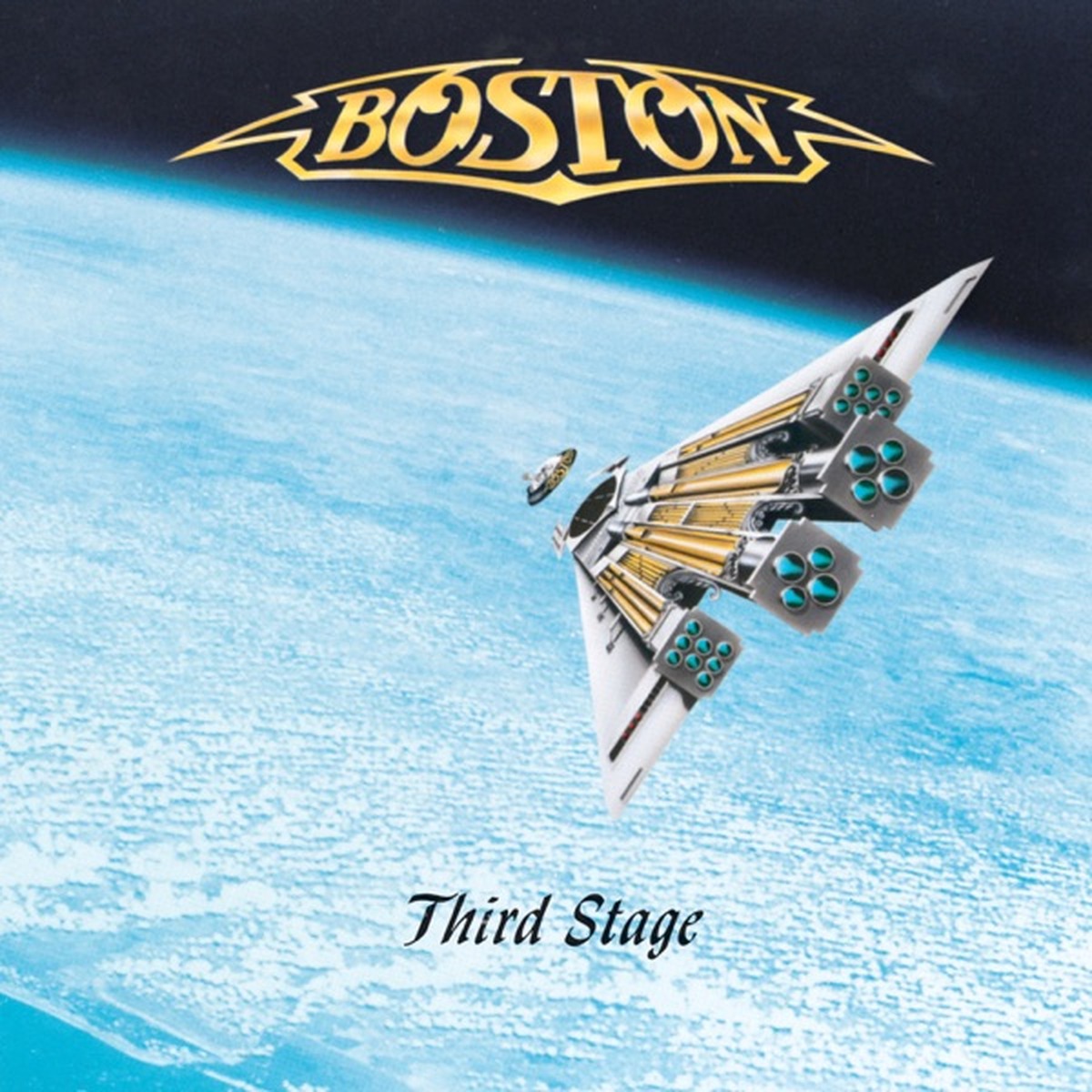
Third Stage
September 24, 1986
Hard rock, art rock, soft rock, progressive rock

Don't Look Back
August 15, 1978
Hard rock, arena rock

Boston (album)
August 25, 1976
Hard rock, arena rock, pop metal
Musicians / Members connected to Boston



FAQ about Boston
What genre is Boston?
Boston is commonly associated with Rock, Hard rock, Arena rock.
Where is Boston from?
Boston is from Boston, Massachusetts, United States.
How many albums by Boston are listed on musicOnOff?
musicOnOff currently lists 7 albums by Boston.
