Bill Withers
Overview
Bill Withers was an American singer-songwriter and musician known for his smooth baritone voice and authentic, heartfelt songwriting. His music embodied a soulful blend of R&B, jazz, and blues. Withers gained fame in the early 1970s and became a notable figure in the music industry, with hits that continue to resonate with audiences today. Often drawing from his personal experiences and emotions, his lyrics touched on themes of love, friendship, and the human condition, providing a relatable and timeless quality to his songs. Despite his relatively short career span compared to his contemporaries, Withers left an indelible mark on music, creating beloved classics such as 'Ain't No Sunshine', 'Lean on Me', and 'Lovely Day'.
Born in a small coal mining town, Withers overcame significant personal and professional challenges to achieve success in the music industry. His backstory as a serviceman and factory worker adds depth to his narrative, highlighting his journey from humble beginnings to international acclaim. Withers' approachability and down-to-earth demeanor made him relatable and admired by fans and peers alike. Despite stepping away from the public eye after his retirement, his music continued to earn accolades and remain relevant across generations.
Bill Withers' successful career can be attributed to his distinctive voice and lyrical prowess. He was adept at crafting songs that blended introspective storytelling with soothing melodies. His work reflected a deep understanding of life's trials and triumphs, making his music an enduring soundtrack for countless listeners. A testament to his enduring legacy, many of his songs have been covered by a wide range of artists across multiple genres, paying homage to his influence and the universal appeal of his music.
Throughout his career, Bill Withers received numerous awards, including Grammy Awards, which recognized both his vocal talents and songwriting skills. Withers' impact on music remains undeniable, as his songs continue to be featured in films, commercials, and media, showcasing their timeless appeal. His contributions to music have solidified his place in history as one of the great influential artists of the 20th century.
Formation and Early Years
Born on July 4, 1938, in Slab Fork, West Virginia, Bill Withers grew up in a rural coal-mining community. Raised in a family of modest means, he was the youngest of six children and experienced a challenging upbringing after his father died when Withers was just a child. The socio-economic conditions of his early life and the close-knit community he grew up in had a profound impact on Withers' perspective and later informed the themes present in his songwriting.
Withers joined the United States Navy at age 17, where he served for nine years. During this time, he developed an interest in music, learning to play the guitar and experimenting with songwriting. After leaving the Navy, Withers moved to Los Angeles in pursuit of a music career while working various jobs, including as an aircraft assembler, to support himself. Despite limited formal musical training, Withers' natural talent for storytelling and melodic composition caught the attention of industry professionals, setting the stage for his future in music.
In the late 1960s, Withers began performing in Los Angeles and making demos in hopes of breaking into the music scene. His big break came when he attracted the attention of Clarence Avant, a prominent music executive, who signed him to Sussex Records. Collaborating with Booker T. Jones, Withers recorded his debut album, 'Just As I Am', which launched his career and established his reputation as a fresh voice in music, blending soul with messages that resonated with listeners.
His breakthrough came with the release of 'Ain't No Sunshine', a song that perfectly encapsulated his expressive voice and poignant writing style. 'Ain't No Sunshine' became a hit, reaching number three on the Billboard Hot 100 chart and earning Withers a Grammy Award for Best R&B Song. From there, Withers' career began to gain momentum, positioning him as a significant figure in the industry during the early 1970s, transitioning from obscurity to stardom.
Career Highlights
Bill Withers' career highlights include the release of several critically acclaimed albums and chart-topping singles that have stood the test of time. His debut album, 'Just As I Am', was released in 1971 and produced the hit single 'Ain't No Sunshine'. Produced by Booker T. Jones, the album featured a combination of soulful melodies and introspective lyrics that set Withers apart from his contemporaries, marking the beginning of a series of successful projects.
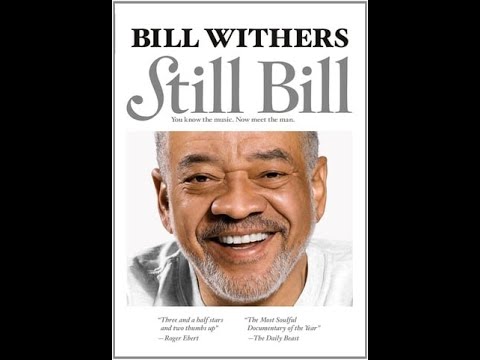
Withers followed up with the album 'Still Bill' in 1972, which solidified his status as a leading artist in the music scene. The album included 'Lean on Me', which became one of his most successful singles, reaching number one on the Billboard Hot 100 chart. 'Lean on Me' encapsulated Withers' ability to write uplifting, anthemic songs that resonated deeply with audiences, showcasing his unique ability to convey universal themes of unity and support.
Throughout his career, Withers won three Grammy Awards, including Best R&B Song for 'Ain't No Sunshine' and 'Just the Two of Us', among others. He collaborated with an array of musicians and explored different sounds and styles, from the poignant balladry of 'Hope She'll Be Happier' to the upbeat groove of 'Use Me', demonstrating his versatility as a musician. Recordings such as 'Lovely Day' and 'Grandma's Hands' further cemented his reputation for creating soulful, meaningful music.
Despite enjoying a successful music career, Withers maintained a low-key public profile and eventually decided to retire from the music business in the mid-1980s. His decision to step away from the spotlight did not diminish his legacy, however, as his music remained influential and continued to reach new audiences through covers and samples by a wide variety of artists. His brief tenure in the industry resulted in a rich and lasting impact on both listeners and fellow musicians alike.
Musical Style
Bill Withers' musical style is characterized by its simplicity and sincerity, blending elements of soul, R&B, jazz, and blues. His distinctive voice, rich and resonant, carried a warmth that brought his thoughtful and emotive lyrics to life. Withers excelled at translating complex emotions into accessible, relatable songs that captured the essence of human experience.
His music often featured straightforward melodies and arrangements that emphasized lyrical content, allowing listeners to connect intimately with the stories and messages conveyed. This approach contributed to his widespread appeal, as he avoided the ostentation of some of his contemporaries, preferring to let the music speak for itself. Withers' craftsmanship lay in his ability to create music that was both simple and profound, offering listeners comfort, reflection, and joy.
Withers' songwriting drew heavily from personal experiences and observations, addressing themes such as love, hardship, and resilience. His ability to craft songs that were both melancholy and hopeful, often within the same track, distinguished his work and fostered a deep connection with audiences. Songs like 'Lean on Me' and 'Ain't No Sunshine' reveal the breadth and depth of Withers' emotional expression, resonating powerfully with listeners from various backgrounds.
Instrumentally, Withers often utilized acoustic guitar, piano, and understated rhythms to create an inviting soundscape that complemented his vocal delivery. Though his music was rooted in the traditions of soul and R&B, Withers embraced a cross-genre appeal that reflected his diverse musical influences and contributed to his enduring legacy as a truly timeless artist.
Most Important Albums
Bill Withers' discography, though not extensive, includes several albums that are considered essential listening and showcase his immense talent as a singer-songwriter. His debut album, 'Just As I Am' (1971), established his presence in the music world. It featured his first hit, 'Ain't No Sunshine', and is lauded for its raw emotionality and masterful songwriting. Songs like 'Grandma's Hands' and 'Hope She'll Be Happier' highlighted Withers' ability to convey heartfelt stories with simplicity and depth.
The follow-up album, 'Still Bill' (1972), is perhaps his most iconic work, containing the seminal track 'Lean on Me'. This album solidified Withers' reputation as a leading artist in the world of soul and R&B music. Alongside 'Lean on Me', the track 'Use Me' became another chart-topping hit, showcasing Withers' versatility in blending funk-infused rhythms with narrative-rich lyrics.
'Live at Carnegie Hall' (1973) is one of Withers' most celebrated albums, capturing a dynamic live performance that underscores his emotive vocal delivery and earnest engagement with the audience. This iconic live record is often praised for its authenticity and the spirit Withers brought to the stage, presenting a rare and captivating experience for listeners.
Later albums such as 'Justments' (1974) and 'Menagerie' (1977) continued to reflect Withers' artistic evolution and exploration of different sounds and themes. 'Menagerie' included the feel-good track 'Lovely Day', which became one of Withers' signature songs, exemplifying his positive and uplifting songwriting style. Each of these albums contributes to Withers' legacy as a masterful storyteller and a cherished figure in music history.
Legacy and Influence
Bill Withers' legacy in the music industry is profound, his influence extending beyond his years of active performance. Despite retiring from the music scene in the mid-1980s, his work continues to inspire countless artists across various genres. Withers' songs, known for their emotional depth and universality, have been covered and sampled by numerous musicians, earning him a lasting presence in popular culture.
Withers' approach to songwriting has been cited as a source of inspiration by artists ranging from pop and rock to hip-hop and R&B. His ability to convey complex emotions with simplicity and sincerity has proven influential for musicians seeking to create music that resonates on a personal and emotional level. Songs like 'Lean on Me' and 'Ain't No Sunshine' are enduring anthems that continue to be celebrated and performed around the world.
Throughout the years, Bill Withers received numerous accolades recognizing his contributions to music. He was inducted into the Rock and Roll Hall of Fame in 2015, a testament to his impact and the timeless appeal of his work. Withers' music has been featured in various films and media, continuing to reach new audiences and reaffirming his status as a legendary figure in music.
Even after his passing in 2020, Bill Withers' music lives on, cherished by fans old and new. The timeless nature of his songwriting ensures that his work will continue to be appreciated for generations to come. His legacy endures not only through his recorded music but also through the stories of resilience and human connection found in his songs, which will always resonate with listeners.
Albums by Bill Withers

The Essential Bill Withers
August 20, 2013
R&B

Watching You, Watching Me
May 25, 1985
Rhythm and blues

Bill Withers' Greatest Hits
December 31, 1981
R&B

Menagerie
October 29, 1977
Soul, R&B, disco

Naked & Warm
December 26, 1976
Soul

Making Music
December 18, 1975
Soul

Live at Carnegie Hall (Bill Withers album)
April 21, 1973
Soul

Still Bill
May 08, 1972
Soul, R&B, funk, blues

Just as I Am (Bill Withers album)
May 01, 1971
Soul, folk
Musicians / Members connected to Bill Withers
FAQ about Bill Withers
What genre is Bill Withers?
Bill Withers is commonly associated with Soul, R&B, blues, folk.
Where is Bill Withers from?
Bill Withers is from Slab Fork, West Virginia, United States.
How many albums by Bill Withers are listed on musicOnOff?
musicOnOff currently lists 9 albums by Bill Withers.
