
H to He, Who Am the Only One
by Van Der Graaf Generator
Released: December 15, 1970
Progressive rock
Shop Van Der Graaf Generator
Amazon affiliate linksWhy This Album Matters
This album matters because its strongest editorial story is: Breakthrough.
The Album
Other tracks include "The Emperor In His War Room," "Lost," "Pioneers Over c," and "The House, the Street, the Room." The album cover, designed by Paul Whitehead, is notable for depicting an astronaut wedged into the rock surface of an alien planet, symbolizing the existential themes present in the album. The record features the classic line-up of the band with Peter Hammill (on guitar, piano, and vocals), Hugh Banton (on organ and various keyboards), Guy Evans (on drums), David Jackson (on saxophone and flute) and Nic Potter (bass, replaced mid-recording by Hugh Banton and Peter Hammill due to him suddenly leaving). "H to He, Who Am the Only One" is the third album by the English progressive rock band Van Der Graaf Generator.
Interesting Facts
The album takes its name from the process…
The album takes its name from the process of nuclear fusion, particularly hydrogen fusion, which is read in astrophysics as "H to He" signifying the fusion of hydrogen nuclei to form helium.
Van Der Graaf Generator, founded in 1967 in…
Van Der Graaf Generator, founded in 1967 in Manchester, England, has been noted for its complex musical sound, characterized by cacophonous yet harmonious arrangements.
It was originally released in December 1970
It was originally released in December 1970.
"H to He, Who Am the Only One"…
"H to He, Who Am the Only One" contains five tracks, including the band's eight-minute epic, "Killer," a fan favorite that epitomizes the band's sound: a mix of heavy rock, progressive complexity, and elements of free jazz.
Explore the Album
Van Der Graaf Generator - H to He, Who Am the Only One
Open in Albums Gallery
Reception
Despite its complexity and lack of commercial appeal, the album garnered positive reviews and solidified the band's progressive rock status.
Legacy
The album is often regarded as the band's breakthrough work.
The Complete Album Story
"H to He, Who Am the Only One" is the third album by the English progressive rock band Van Der Graaf Generator. It was originally released in December 1970. The album takes its name from the process of nuclear fusion, particularly hydrogen fusion, which is read in astrophysics as "H to He" signifying the fusion of hydrogen nuclei to form helium.
Van Der Graaf Generator, founded in 1967 in Manchester, England, has been noted for its complex musical sound, characterized by cacophonous yet harmonious arrangements.
The record features the classic line-up of the band with Peter Hammill (on guitar, piano, and vocals), Hugh Banton (on organ and various keyboards), Guy Evans (on drums), David Jackson (on saxophone and flute) and Nic Potter (bass, replaced mid-recording by Hugh Banton and Peter Hammill due to him suddenly leaving).
"H to He, Who Am the Only One" contains five tracks, including the band's eight-minute epic, "Killer," a fan favorite that epitomizes the band's sound: a mix of heavy rock, progressive complexity, and elements of free jazz. Other tracks include "The Emperor In His War Room," "Lost," "Pioneers Over c," and "The House, the Street, the Room."
The album cover, designed by Paul Whitehead, is notable for depicting an astronaut wedged into the rock surface of an alien planet, symbolizing the existential themes present in the album.
The album is often regarded as the band's breakthrough work. Despite its complexity and lack of commercial appeal, the album garnered positive reviews and solidified the band's progressive rock status.
More Progressive rock Albums
 Mike Oldfield - QE2
 Van Der Graaf Generator - ALT
 Peter Murphy - Dust
 Jethro Tull - The Jethro Tull Christmas Album
 Hawkwind - Warrior on the Edge of Time
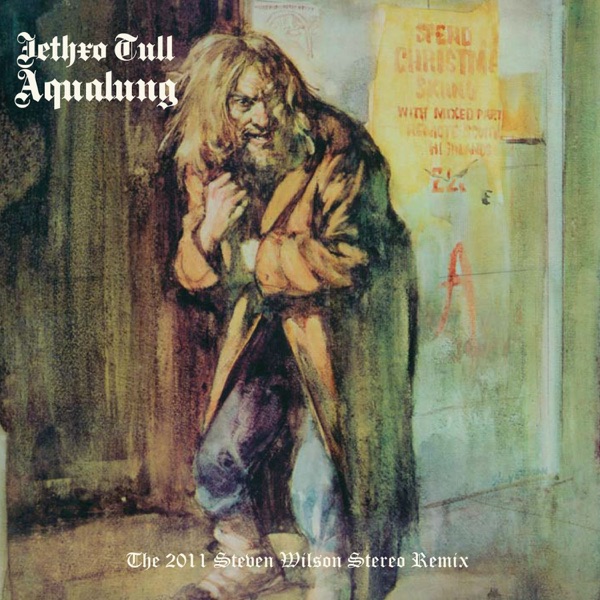 Jethro Tull - Aqualung
 Black Sabbath - Sabotage (Black Sabbath album)
 Hawkwind - Doremi Fasol Latido
 Air and Baricco - City Reading

Join the Conversation
Share your thoughts about this album.
Please log in to add a comment.
No comments yet. Be the first to comment.