
Getting Over the Storm
by UB40
Released: September 02, 2013
Reggae, country
Shop UB40
Amazon affiliate linksWhy This Album Matters
This album matters because its strongest editorial story is: Lineup Change.
The Album
"Getting Over the Storm" is the eighteenth studio album by the English reggae band UB40, released on September 2, 2013. He cited the album's musical direction as a major factor in his departure, expressing dissatisfaction with his reduced role as a backing vocalist rather than a lead. This album is notable as it is the last UB40 record to feature trumpet player and vocalist Astro, who departed from the band later in 2013.
Interesting Facts
Getting Over the Storm is UB40's first album…
Getting Over the Storm is UB40's first album since their 2010 release, Labour of Love IV.
The album features cover versions of country music…
The album features cover versions of country music songs alongside five original UB40 tracks.
However, just two months after the album's release…
However, just two months after the album's release, Astro left the band.
The country covers include Randy Travis's "On the…
The country covers include Randy Travis's "On the Other Hand," George Jones's "Getting Over the Storm," Willie Nelson's "Blue Eyes Crying in the Rain," Buck Owens's "Crying Time," and Jim Reeves's "He'll Have to Go." Upon the album's release, UB40 singer Astro defended the inclusion of country music, noting the deep connection between Caribbean and country music.
He remarked that many Caribbean households owned Jim…
He remarked that many Caribbean households owned Jim Reeves albums, including his own, and emphasized the cultural overlap.
Essential Tracks
Getting Over The Storm
"Getting Over the Storm" is the eighteenth studio album by the English reggae band UB40, released on September 2, 2013.
Crying Time
The country covers include Randy Travis's "On the Other Hand," George Jones's "Getting Over the Storm," Willie Nelson's "Blue Eyes Crying in the Rain," Buck Owens's "Crying Time," and Jim Reeves's "He'll Have to Go." Upon the album's release, UB40 singer Astro defended the inclusion of country music, noting the deep connection between Caribbean and country music.
Blue Eyes Crying In The Rain
The country covers include Randy Travis's "On the Other Hand," George Jones's "Getting Over the Storm," Willie Nelson's "Blue Eyes Crying in the Rain," Buck Owens's "Crying Time," and Jim Reeves's "He'll Have to Go." Upon the album's release, UB40 singer Astro defended the inclusion of country music, noting the deep connection between Caribbean and country music.
On The Other Hand
The country covers include Randy Travis's "On the Other Hand," George Jones's "Getting Over the Storm," Willie Nelson's "Blue Eyes Crying in the Rain," Buck Owens's "Crying Time," and Jim Reeves's "He'll Have to Go." Upon the album's release, UB40 singer Astro defended the inclusion of country music, noting the deep connection between Caribbean and country music.
Explore the Album
UB40 - Getting Over the Storm
Open in Albums Gallery
The Complete Album Story
"Getting Over the Storm" is the eighteenth studio album by the English reggae band UB40, released on September 2, 2013. This album is notable as it is the last UB40 record to feature trumpet player and vocalist Astro, who departed from the band later in 2013.
Getting Over the Storm is UB40's first album since their 2010 release, Labour of Love IV. The album features cover versions of country music songs alongside five original UB40 tracks. The country covers include Randy Travis's "On the Other Hand," George Jones's "Getting Over the Storm," Willie Nelson's "Blue Eyes Crying in the Rain," Buck Owens's "Crying Time," and Jim Reeves's "He'll Have to Go."
Upon the album's release, UB40 singer Astro defended the inclusion of country music, noting the deep connection between Caribbean and country music. He remarked that many Caribbean households owned Jim Reeves albums, including his own, and emphasized the cultural overlap.
However, just two months after the album's release, Astro left the band. He cited the album's musical direction as a major factor in his departure, expressing dissatisfaction with his reduced role as a backing vocalist rather than a lead. He clarified that while reggae musicians have a long history with country music, it was not a style he wished to continue with, and he preferred to be a front man rather than relegated to a secondary role.
More Reggae Albums
 Boney M. - Boonoonoonoos
 Barrington Levy - Run Come Ya!
 Barrington Levy - Living Dangerously
 The Police - Reggatta de Blanc
 The Rolling Stones - Black and Blue
 Barrington Levy - Prison Oval Rock
 Sublime - 40oz. to Freedom
 UB40 - Labour of Love
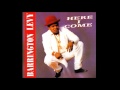 Barrington Levy - Here I Come
 Serge Gainsbourg - Aux armes et cætera (album)
 Ub40 - Signing Off

Join the Conversation
Share your thoughts about this album.
Please log in to add a comment.
No comments yet. Be the first to comment.