
White Blood Cells
by The White Stripes
Released: July 03, 2001
Garage rock, alternative rock, indie rock
Shop The White Stripes
Amazon affiliate linksWhy This Album Matters
This album matters because its strongest editorial story is: Breakthrough.
The Album
"White Blood Cells" released on July 3, 2001, marks a pivotal moment for the White Stripes, the American rock duo consisting of Jack White and Meg White. Departing from their blues-inspired roots, the White Stripes embraced a minimalist approach on "White Blood Cells," focusing on straightforward, guitar-driven compositions. The album was notably their first to undergo professional mastering, a step that contributed to its polished yet gritty sound.
Inside the Recording
Recorded over a swift three days in Memphis, Tennessee, the album was produced by Jack White himself, aiming to capture a raw, tense energy that defined their new direction towards garage rock.
Interesting Facts
The band promoted the album with a series…
The band promoted the album with a series of shows in their hometown of Detroit just before its release.
Key singles like "Hotel Yorba," "Fell in Love…
Key singles like "Hotel Yorba," "Fell in Love with a Girl," and "Dead Leaves and the Dirty Ground" became instant classics and helped propel the White Stripes to the forefront of the garage rock revival movement.
The album's impact was further solidified when it…
The album's impact was further solidified when it was included in the Rock and Roll Hall of Fame's 200 Definitive Albums list in 2007 and Rolling Stone's "The 500 Greatest Albums of All Time" list in 2012.
Explore the Album
The White Stripes - White Blood Cells
Open in Albums Gallery
Reception
It became their breakthrough album, selling over a million copies and earning platinum certifications in both the UK and the US. Critically acclaimed upon release, "White Blood Cells" garnered widespread praise for its infectious energy, stripped-down arrangements, and Jack White's distinctive vocals and guitar work. "White Blood Cells" continues to be celebrated as one of the standout albums of the 21st century, recognized for its influence on modern rock music and its enduring appeal among music critics and fans alike.
Legacy
"White Blood Cells" continues to be celebrated as one of the standout albums of the 21st century, recognized for its influence on modern rock music and its enduring appeal among music critics and fans alike.
The Complete Album Story
"White Blood Cells" released on July 3, 2001, marks a pivotal moment for the White Stripes, the American rock duo consisting of Jack White and Meg White. Recorded over a swift three days in Memphis, Tennessee, the album was produced by Jack White himself, aiming to capture a raw, tense energy that defined their new direction towards garage rock.
Departing from their blues-inspired roots, the White Stripes embraced a minimalist approach on "White Blood Cells," focusing on straightforward, guitar-driven compositions. The album was notably their first to undergo professional mastering, a step that contributed to its polished yet gritty sound.
The band promoted the album with a series of shows in their hometown of Detroit just before its release. Key singles like "Hotel Yorba," "Fell in Love with a Girl," and "Dead Leaves and the Dirty Ground" became instant classics and helped propel the White Stripes to the forefront of the garage rock revival movement.
Critically acclaimed upon release, "White Blood Cells" garnered widespread praise for its infectious energy, stripped-down arrangements, and Jack White's distinctive vocals and guitar work. It became their breakthrough album, selling over a million copies and earning platinum certifications in both the UK and the US. The album's impact was further solidified when it was included in the Rock and Roll Hall of Fame's 200 Definitive Albums list in 2007 and Rolling Stone's "The 500 Greatest Albums of All Time" list in 2012.
"White Blood Cells" continues to be celebrated as one of the standout albums of the 21st century, recognized for its influence on modern rock music and its enduring appeal among music critics and fans alike.
More Garage rock Albums
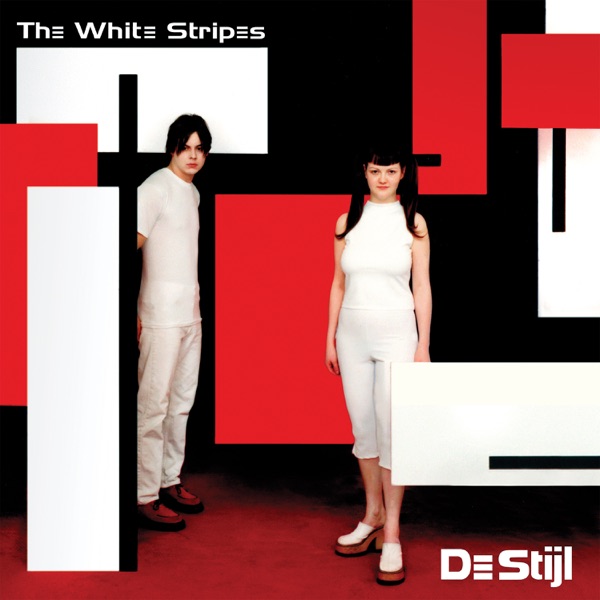 The White Stripes - De Stijl (album)
 Captain Beefheart and his Magic Band - Safe as Milk
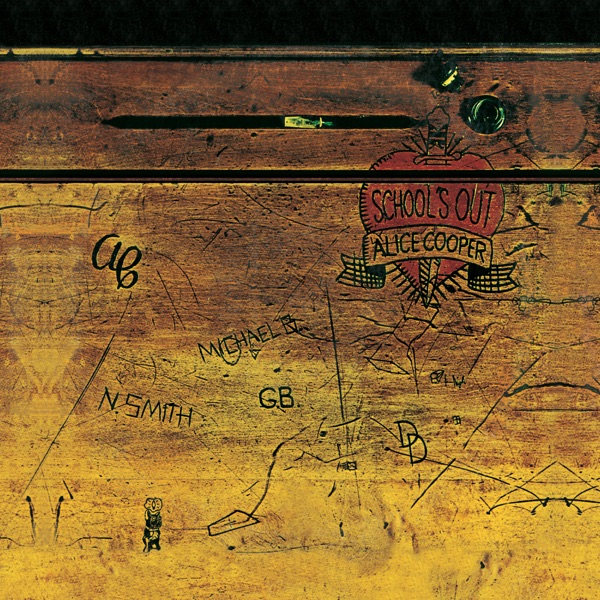 Alice Cooper - School's Out
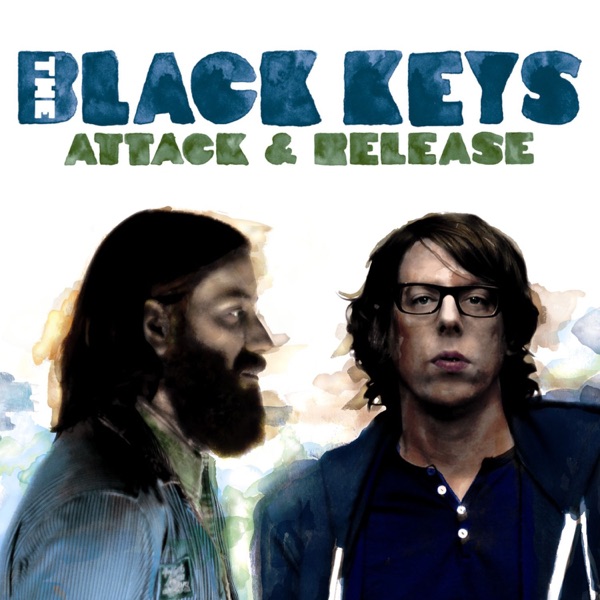 The Black Keys - Attack & Release
 Cage the Elephant - Thank You, Happy Birthday
 Sun Kil Moon - Universal Themes
 Primal Scream - Riot City Blues
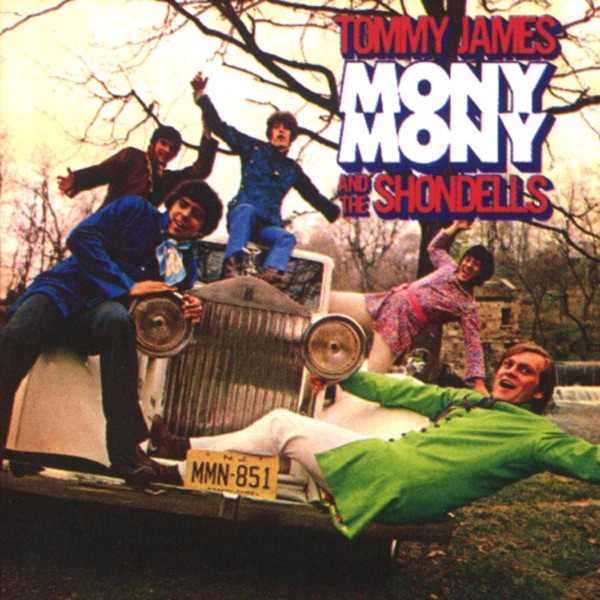 Tommy James and the Shondells - Mony Mony
 The Cramps - Songs the Lord Taught Us

Join the Conversation
Share your thoughts about this album.
Please log in to add a comment.
No comments yet. Be the first to comment.