
White Light/White Heat
by The Velvet Underground
Released: January 30, 1968
Noise rock, proto-punk, art rock, experimental rock, acid rock
Shop The Velvet Underground
Amazon affiliate linksWhy This Album Matters
This album matters because its strongest editorial story is: Experimental Album.
The Album
"White Light/White Heat" is the second studio album by American rock band The Velvet Underground. The album represents the aggressive, experimental side of the band's music, featuring a definitive shift towards a noisier and more avant-garde approach compared to their debut. It is marked by Lou Reed's iconoclastic songwriting, John Cale's abrasive instrumental parts, and the rough, noisy sound overall.
Inside the Recording
Released on January 30, 1968, the album was produced by Tom Wilson and is known for being one of the most influential and important works in the genre of art rock.
Interesting Facts
It includes themes such as drug addiction, sadomasochism…
It includes themes such as drug addiction, sadomasochism, and transvestism, influenced by the underground and experimental art scene the band was part of in the 1960s New York.
"White Light/White Heat" includes songs like the title…
"White Light/White Heat" includes songs like the title track and "Sister Ray", which have achieved iconic status in the rock repertoire.
Despite its difficult birth, today it is widely…
Despite its difficult birth, today it is widely recognized as a classic, a forerunner of punk and alternative rock.
Essential Tracks
White Light/White Heat
"White Light/White Heat" is the second studio album by American rock band The Velvet Underground.
Sister Ray
"White Light/White Heat" includes songs like the title track and "Sister Ray", which have achieved iconic status in the rock repertoire.
Explore the Album
The Velvet Underground - White Light/White Heat
Open in Albums Gallery
Reception
However, initially, it was not a commercial success and received mixed reviews from critics.
Legacy
"White Light/White Heat" is also notable for its influence on many musicians and bands, and its impact still resonates in contemporary music.
The Complete Album Story
"White Light/White Heat" is the second studio album by American rock band The Velvet Underground. Released on January 30, 1968, the album was produced by Tom Wilson and is known for being one of the most influential and important works in the genre of art rock.
The album represents the aggressive, experimental side of the band's music, featuring a definitive shift towards a noisier and more avant-garde approach compared to their debut. It is marked by Lou Reed's iconoclastic songwriting, John Cale's abrasive instrumental parts, and the rough, noisy sound overall.
"White Light/White Heat" includes songs like the title track and "Sister Ray", which have achieved iconic status in the rock repertoire. However, initially, it was not a commercial success and received mixed reviews from critics. It includes themes such as drug addiction, sadomasochism, and transvestism, influenced by the underground and experimental art scene the band was part of in the 1960s New York.
Despite its difficult birth, today it is widely recognized as a classic, a forerunner of punk and alternative rock. "White Light/White Heat" is also notable for its influence on many musicians and bands, and its impact still resonates in contemporary music.
More Noise rock Albums
 Mogwai - Come On Die Young
 Melvins - Hostile Ambient Takeover
 Fugazi - End Hits
 Deerhunter - Why Hasn't Everything Already Disappeared?
 Deutsch Amerikanische Freundschaft - Ein Produkt der DAF
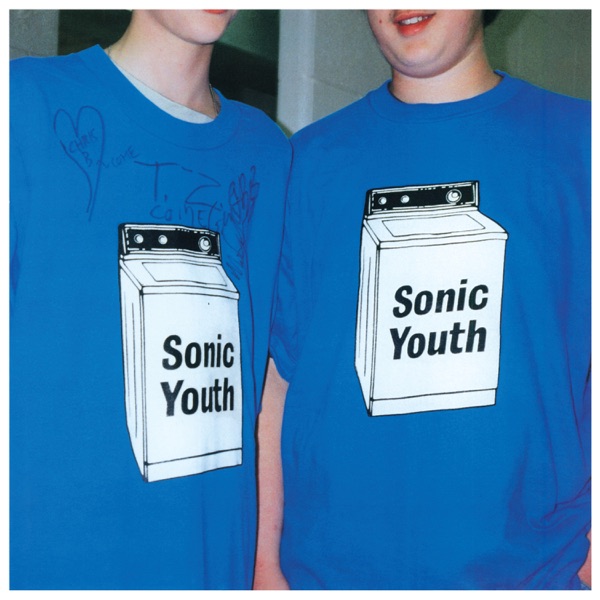 Sonic Youth - Washing Machine

Join the Conversation
Share your thoughts about this album.
Please log in to add a comment.
No comments yet. Be the first to comment.