
Elegy
by The Nice
Released: April 26, 1971
Progressive rock
Shop The Nice
Amazon affiliate linksWhy This Album Matters
This album matters because its strongest editorial story is: Experimental Album.
The Album
"Elegy" demonstrates the band's evolution from its psychedelic roots towards a more progressive rock sound. "Elegy" is the third and final studio album by the English rock band The Nice. The album features a mix of live and studio recordings, showcasing the group's blend of rock, jazz, and classical influences.
Interesting Facts
The album opens with a live recording of…
The album opens with a live recording of "Hang on to a Dream" and ends with a studio rendition of Bob Dylan's "My Back Pages".
It was released in 1971, after the band…
It was released in 1971, after the band had already dissolved.
Both songs are emblematic of The Nice's interpretation…
Both songs are emblematic of The Nice's interpretation and adaptation of existing works into their own unique soundscapes.
The centerpiece of the album is the 22-minute…
The centerpiece of the album is the 22-minute live symphony "Pathetique (Symphony No. 6, 3rd Movement)", a testament to the band's ambition and their capability to deliver complex, theatrical performances.
Keith Emerson's virtuosic keyboard skills are a highlight…
Keith Emerson's virtuosic keyboard skills are a highlight throughout the album and remain influential in progressive rock circles.
Explore the Album
The Nice - Elegy
Open in Albums Gallery
Legacy
Despite being released after their split, "Elegy" captures the essence and the creative peak of The Nice's career, leaving a lasting legacy in rock music history.
The Complete Album Story
"Elegy" is the third and final studio album by the English rock band The Nice. It was released in 1971, after the band had already dissolved. The album features a mix of live and studio recordings, showcasing the group's blend of rock, jazz, and classical influences.
The album opens with a live recording of "Hang on to a Dream" and ends with a studio rendition of Bob Dylan's "My Back Pages". Both songs are emblematic of The Nice's interpretation and adaptation of existing works into their own unique soundscapes. The centerpiece of the album is the 22-minute live symphony "Pathetique (Symphony No. 6, 3rd Movement)", a testament to the band's ambition and their capability to deliver complex, theatrical performances.
"Elegy" demonstrates the band's evolution from its psychedelic roots towards a more progressive rock sound. Keith Emerson's virtuosic keyboard skills are a highlight throughout the album and remain influential in progressive rock circles. Despite being released after their split, "Elegy" captures the essence and the creative peak of The Nice's career, leaving a lasting legacy in rock music history.
More Progressive rock Albums
 Rush - Test for Echo
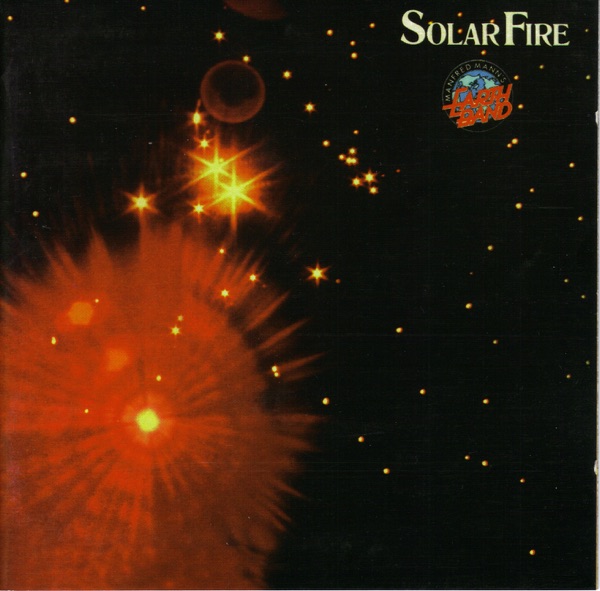 Manfred Mann's Earth - Solar Fire
 Budgie - Bandolier
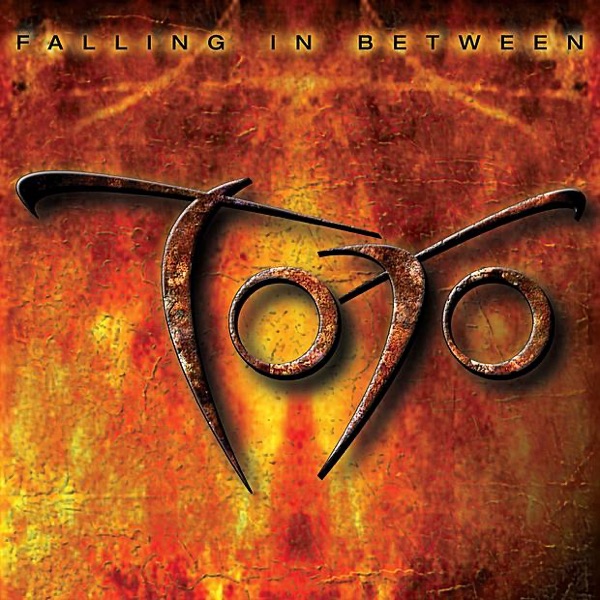 Toto - Falling in Between
 Peter Gabriel - Peter Gabriel (1982 album)
 Gong - Camembert Electrique
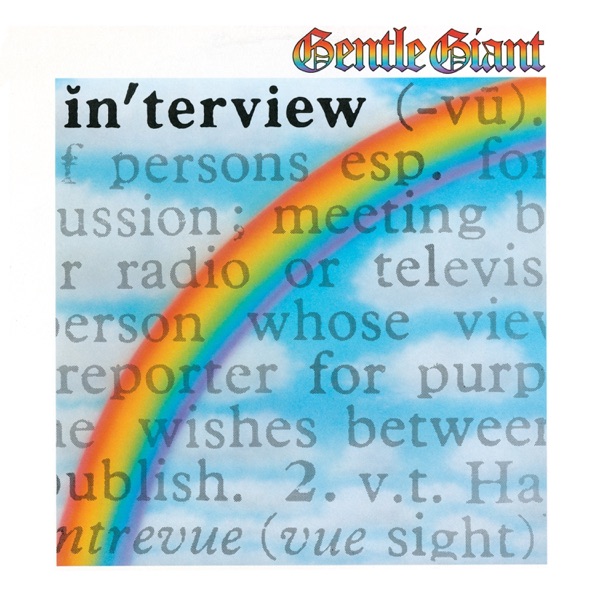 Gentle Giant - Interview (album)
 Deep Purple - Bananas
 Camel - Nude
 Jethro Tull - Minstrel in the Gallery
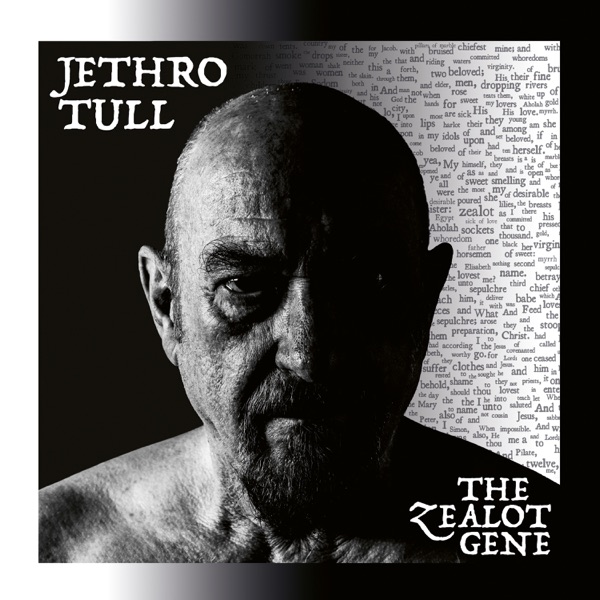 Jethro Tull - The Zealot Gene
 Deep Purple - Rapture of the Deep

Join the Conversation
Share your thoughts about this album.
Please log in to add a comment.
No comments yet. Be the first to comment.