
The Kink Kontroversy
by The Kinks
Released: November 26, 1965
Beat, rock and roll, pop
Shop The Kinks
Amazon affiliate linksWhy This Album Matters
This album matters because its strongest editorial story is: Experimental Album.
The Album
The album is considered a transitional work, blending elements of the earlier blues-influenced style of the Kinks with early signs of Ray Davies' evolving songwriting direction, which would later define the band's more complex, narrative-driven work. "The Kink Kontroversy" is the third studio album by the English rock band the Kinks, released on 26 November 1965 by Pye Records in the United Kingdom. The Kink Kontroversy marks a significant point in the band's career, as it continued to bridge their early straightforward rock sound with the more experimental and reflective music they would soon produce.
Interesting Facts
The album was issued in the United States…
The album was issued in the United States on 30 March 1966 by Reprise Records, and it marked the first time the American release featured the same track listing as the British version.
The album's title is a playful nod to…
The album's title is a playful nod to the band's notorious reputation, which had been marked by onstage brawls and concert riots across Europe, leading to a ban on their concerts in the United States.
The song "Where Have All the Good Times…
The song "Where Have All the Good Times Gone" contains references to the Beatles and Rolling Stones, hinting at the rivalry and the band's awareness of their peers in the British Invasion scene.
In the US, the track "When I See…
In the US, the track "When I See That Girl of Mine" was covered by American singer Bobby Rydell and released a month before the Kinks' original version.
Essential Tracks
When I See That Girl Of Mine
In the US, the track "When I See That Girl of Mine" was covered by American singer Bobby Rydell and released a month before the Kinks' original version.
Till The End Of The Day
The single "Till the End of the Day" became one of the band's major hits, reaching No. 8 in the UK and No. 50 in the US, spending several weeks on the charts.
Where Have All The Good Times Gone
The song "Where Have All the Good Times Gone" contains references to the Beatles and Rolling Stones, hinting at the rivalry and the band's awareness of their peers in the British Invasion scene.
Explore the Album
The Kinks - The Kink Kontroversy
Open in Albums Gallery
Reception
The single "Till the End of the Day" became one of the band's major hits, reaching No. 8 in the UK and No. 50 in the US, spending several weeks on the charts.
The Complete Album Story
"The Kink Kontroversy" is the third studio album by the English rock band the Kinks, released on 26 November 1965 by Pye Records in the United Kingdom. The album was issued in the United States on 30 March 1966 by Reprise Records, and it marked the first time the American release featured the same track listing as the British version. The album is considered a transitional work, blending elements of the earlier blues-influenced style of the Kinks with early signs of Ray Davies' evolving songwriting direction, which would later define the band's more complex, narrative-driven work.
The album's title is a playful nod to the band's notorious reputation, which had been marked by onstage brawls and concert riots across Europe, leading to a ban on their concerts in the United States. The song "Where Have All the Good Times Gone" contains references to the Beatles and Rolling Stones, hinting at the rivalry and the band's awareness of their peers in the British Invasion scene.
The single "Till the End of the Day" became one of the band's major hits, reaching No. 8 in the UK and No. 50 in the US, spending several weeks on the charts. In the US, the track "When I See That Girl of Mine" was covered by American singer Bobby Rydell and released a month before the Kinks' original version.
The Kink Kontroversy marks a significant point in the band's career, as it continued to bridge their early straightforward rock sound with the more experimental and reflective music they would soon produce.
More Beat Albums
 The Prodigy - The Fat of the Land
 Robert Plant - Lullaby and the Ceaseless Roar
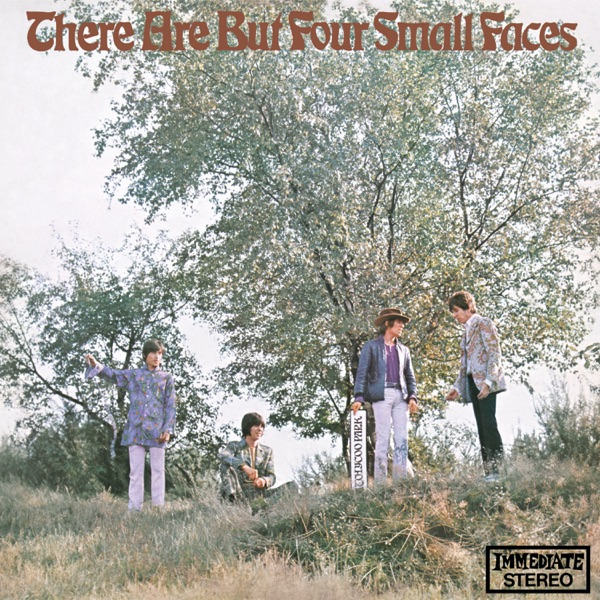 Small Faces - There Are But Four Small Faces
 Fatboy Slim - Live on Brighton Beach
 The Chemical Brothers - Brothers Gonna Work It Out
 Dead Can Dance - Spiritchaser
 Fatboy Slim - Halfway Between the Gutter and the Stars
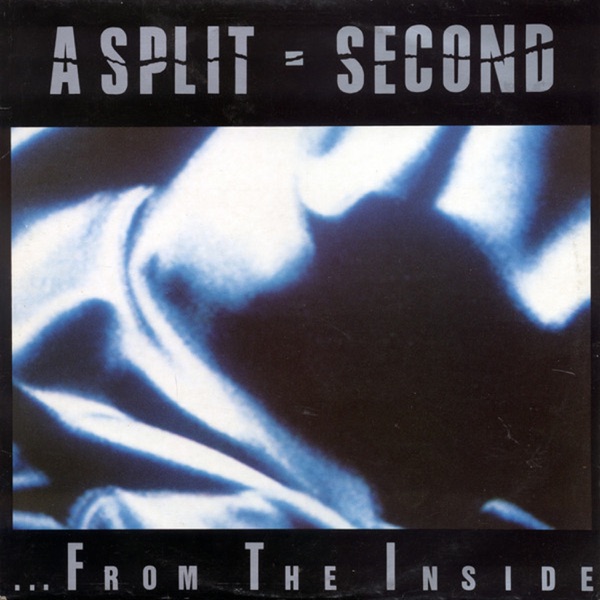 A Split-Second - ... from the Inside
 Tomorrow - Tomorrow
 Fatboy Slim - Big Beach Boutique II (album)
 Peter Gabriel - Flotsam and Jetsam

Join the Conversation
Share your thoughts about this album.
Please log in to add a comment.
No comments yet. Be the first to comment.