
Dare
by The Human League
Released: October 16, 1981
Synth-pop, electropop, new pop, new wave
Shop The Human League
Amazon affiliate linksWhy This Album Matters
This album matters because its strongest editorial story is: Breakthrough.
The Album
in some regions) is the third studio album by English synth-pop band The Human League, first released in the UK in October 1981 and later in the US in mid-1982. Following the departure of founding members Martyn Ware and Ian Craig Marsh, Oakey and Philip Adrian Wright restructured the band by recruiting backing vocalists Joanne Catherall and Susan Ann Sulley. Under pressure from Virgin Records to deliver results, the band entered Genetic Sound Studios, where they meticulously crafted their new sound, utilizing the Linn LM-1 drum machine and carefully considering each musical element.
Inside the Recording
Produced by Martin Rushent, the album marked a significant shift in the band's sound from their earlier avant-garde style to a more pop-oriented approach led by frontman Philip Oakey.
Interesting Facts
Dare has been reissued multiple times, including a…
Dare has been reissued multiple times, including a 1997 CD release with additional tracks and a 2012 box set that included remixes and an expanded version of the Fascination!
"Dare" (also released as Dare
"Dare" (also released as Dare!
They were soon joined by guitarist Jo Callis
They were soon joined by guitarist Jo Callis.
By the time Dare was completed, it was…
By the time Dare was completed, it was highly anticipated.
The album's visual presentation was inspired by the…
The album's visual presentation was inspired by the concept of resembling a Vogue magazine cover, with design contributions from Philip Adrian Wright and graphic designer Ken Ansell.
Explore the Album
The Human League - Dare
Open in Albums Gallery
Reception
Dare reached number one on the UK Albums Chart and has been certified triple platinum. The album received critical acclaim and is considered a genre-defining work, particularly noted for the massive success of the single "Don't You Want Me," which played a crucial role in the Second British Invasion of the US music scene. The album spent 71 weeks on the chart, and its singles—especially "Don't You Want Me"—garnered immense popularity, with the latter becoming the band's most successful hit.
The Complete Album Story
"Dare" (also released as Dare! in some regions) is the third studio album by English synth-pop band The Human League, first released in the UK in October 1981 and later in the US in mid-1982. Produced by Martin Rushent, the album marked a significant shift in the band's sound from their earlier avant-garde style to a more pop-oriented approach led by frontman Philip Oakey.
The album received critical acclaim and is considered a genre-defining work, particularly noted for the massive success of the single "Don't You Want Me," which played a crucial role in the Second British Invasion of the US music scene. Dare reached number one on the UK Albums Chart and has been certified triple platinum.
Following the departure of founding members Martyn Ware and Ian Craig Marsh, Oakey and Philip Adrian Wright restructured the band by recruiting backing vocalists Joanne Catherall and Susan Ann Sulley. They were soon joined by guitarist Jo Callis. Under pressure from Virgin Records to deliver results, the band entered Genetic Sound Studios, where they meticulously crafted their new sound, utilizing the Linn LM-1 drum machine and carefully considering each musical element.
The first single from the album, "The Sound of the Crowd," was released in April 1981, followed by "Love Action (I Believe in Love)," which peaked at number three in the UK. By the time Dare was completed, it was highly anticipated.
Upon its release, Dare quickly ascended to the top of the UK Albums Chart, eventually achieving platinum status by Christmas 1981. The album spent 71 weeks on the chart, and its singles—especially "Don't You Want Me"—garnered immense popularity, with the latter becoming the band's most successful hit.
In the US, Dare! (with an exclamation mark added for differentiation) mirrored its UK success, reaching number three on the Billboard 200, with "Don't You Want Me" topping the Billboard Hot 100.
The album's visual presentation was inspired by the concept of resembling a Vogue magazine cover, with design contributions from Philip Adrian Wright and graphic designer Ken Ansell. The cover features Oakey prominently, with the other members depicted in the internal gatefold.
Dare has been reissued multiple times, including a 1997 CD release with additional tracks and a 2012 box set that included remixes and an expanded version of the Fascination! EP. The album's impact on pop music continues to be felt, solidifying The Human League's status as a key influence in the genre.
More Synth-pop Albums
 Kajagoogoo - Islands
 Lady Gaga - The Fame
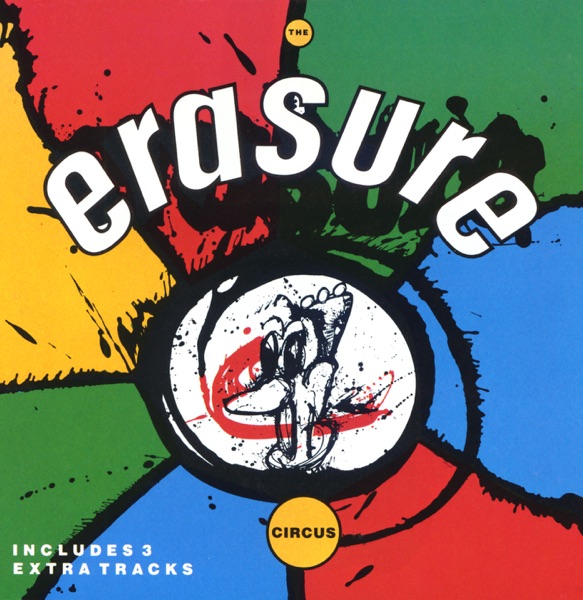 Erasure - The Circus (Erasure album)
 Gary Numan - Dance
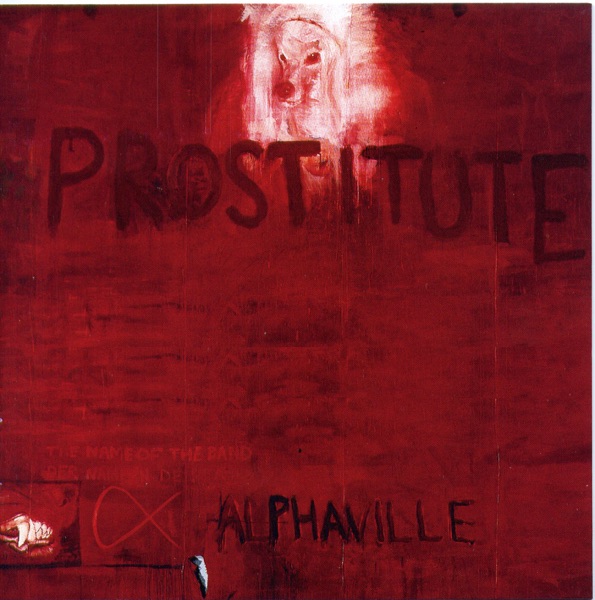 Alphaville - Prostitute
 New Order - Republic (album)
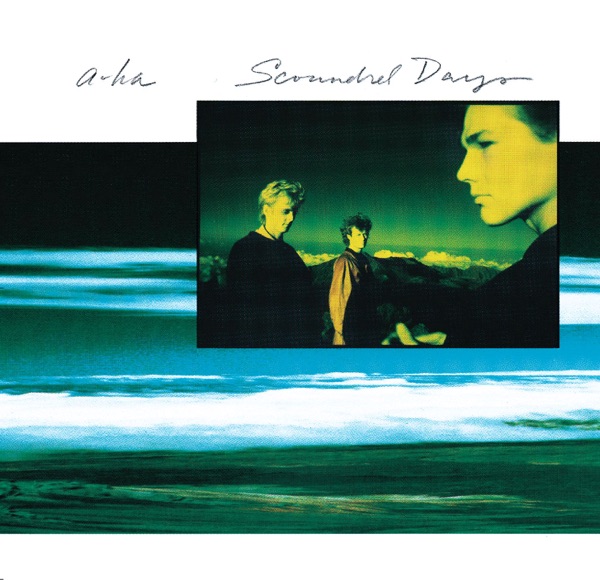 A-Ha - Scoundrel Days
 Pet Shop Boys - Elysium
 Blancmange - Believe You Me
 Phoenix - Ti Amo

Join the Conversation
Share your thoughts about this album.
Please log in to add a comment.
No comments yet. Be the first to comment.